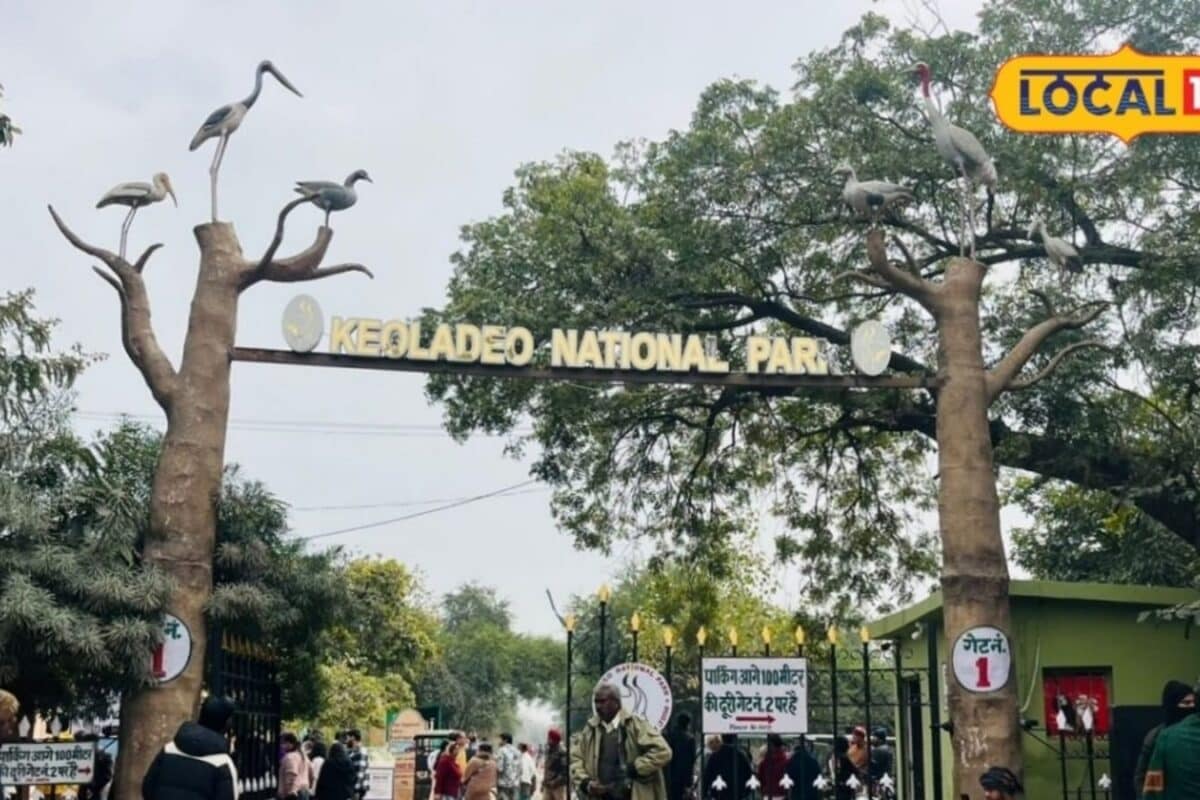
In a significant developmental leap for wildlife conservation and environmental management, the government has officially approved a comprehensive infrastructure project to dramatically enhance water availability at the world-renowned Keoladeo National Park, popularly known as Ghana, located in Bharatpur. This ambitious initiative is specifically designed to permanently resolve the persistent seasonal water scarcity challenges that have historically impacted the delicate ecological balance of this globally celebrated wetland sanctuary. By integrating the national park directly into the robust hydrological network of the Band Baretha water system, administrative authorities are establishing a reliable, long-term water management framework that will safeguard the critical natural habitats of countless native and migratory species for decades to come.
Historically, the ecological sustenance of Keoladeo National Park has relied heavily on intricate traditional water channeling mechanisms, predominantly centered around the Ajan Dam. However, vagaries of monsoons, shifting rainfall patterns, and upstream infrastructural demands frequently resulted in severe water deficits during critical dry spells, threatening the survival of diverse flora and fauna within the protected territory. Recognizing these recurring ecological vulnerabilities, environmental scientists, wildlife conservationists, and regional administrators persistently advocated for a foolproof, interconnected water supply architecture. This newly sanctioned project directly answers those long-standing appeals by forging a permanent, engineered lifeline between the Band Baretha reservoir network and the parched marshlands of Ghana.
The financial and logistical dimensions of this undertaking reflect a substantial governmental commitment to ecological preservation, backed by a sanctioned expenditure of precisely 18.52 crore rupees. A central engineering feature of this multi-crore development plan involves the meticulous construction of a 1250-meter long connecting canal designed to seamlessly bridge geographical barriers and facilitate unobstructed water flow. This strategic canal infrastructure will directly fortify the existing water routing pathways through Ajan Dam, ensuring that the colossal volume of water required to maintain the sprawling wetlands can be systematically delivered with unprecedented precision and operational reliability throughout the year.
Local stakeholders, wildlife experts, tourism operators, and regional community representatives have overwhelmingly welcomed this decisive administrative action, noting that an uninterrupted water supply is foundational to the socio-economic vitality of Bharatpur. Local hoteliers, guides, and nature enthusiasts have long witnessed how diminished water levels severely dampen the winter tourism season, when thousands of ornithologists, researchers, and global travelers flock to witness the majestic spectacle of rare migratory birds arriving from distant continents. With the water supply infrastructure now receiving robust financial backing and technical augmentation, community members express profound optimism that the revived wetlands will restore the park to its pristine historical glory.
While the immediate geographical focus centers on Bharatpur and the immediate precincts of Keoladeo National Park, the overarching economic and environmental ramifications extend across the entire regional ecosystem, positively influencing neighboring districts and fostering heightened ecological awareness. Sustainable water management models implemented here serve as a benchmark for regional conservation efforts, demonstrating how targeted infrastructure investments can effectively mitigate the adverse impacts of climate variability. The preservation of this Ramsar wetland site directly contributes to regional groundwater recharge, agricultural micro-climate stabilization, and the sustained propagation of biodiversity that forms the cornerstone of the local ecological heritage.
Administrative oversight and execution will be spearheaded by specialized engineering divisions working in close coordination with environmental regulators and forest department officials to ensure strict adherence to ecological protocols during construction. Comprehensive monitoring mechanisms have been conceptualized to supervise the excavation of the 1250-meter connecting canal and the subsequent integration with the Ajan Dam network, minimizing any temporary disruption to the delicate local flora and fauna. Government agencies have emphasized that transparency, strict adherence to timelines, and environmental impact mitigation remain paramount priorities throughout the execution phase of this crucial wildlife conservation undertaking.
Looking toward the future, the successful completion of this water infrastructure project is poised to usher in a golden era for avian conservation and eco-tourism in Bharatpur. As the 18.52 crore rupee investment translates from administrative blueprints into tangible physical reality on the ground, public expectations remain exceptionally high for a permanent resolution to the park water crisis. Wildlife authorities anticipate that the upcoming winter seasons will witness unprecedented numbers of migratory waterfowl gracefully inhabiting the revitalized wetlands, thereby cementing Keoladeo National Park's preeminent status as an international sanctuary of unmatched ecological significance.