
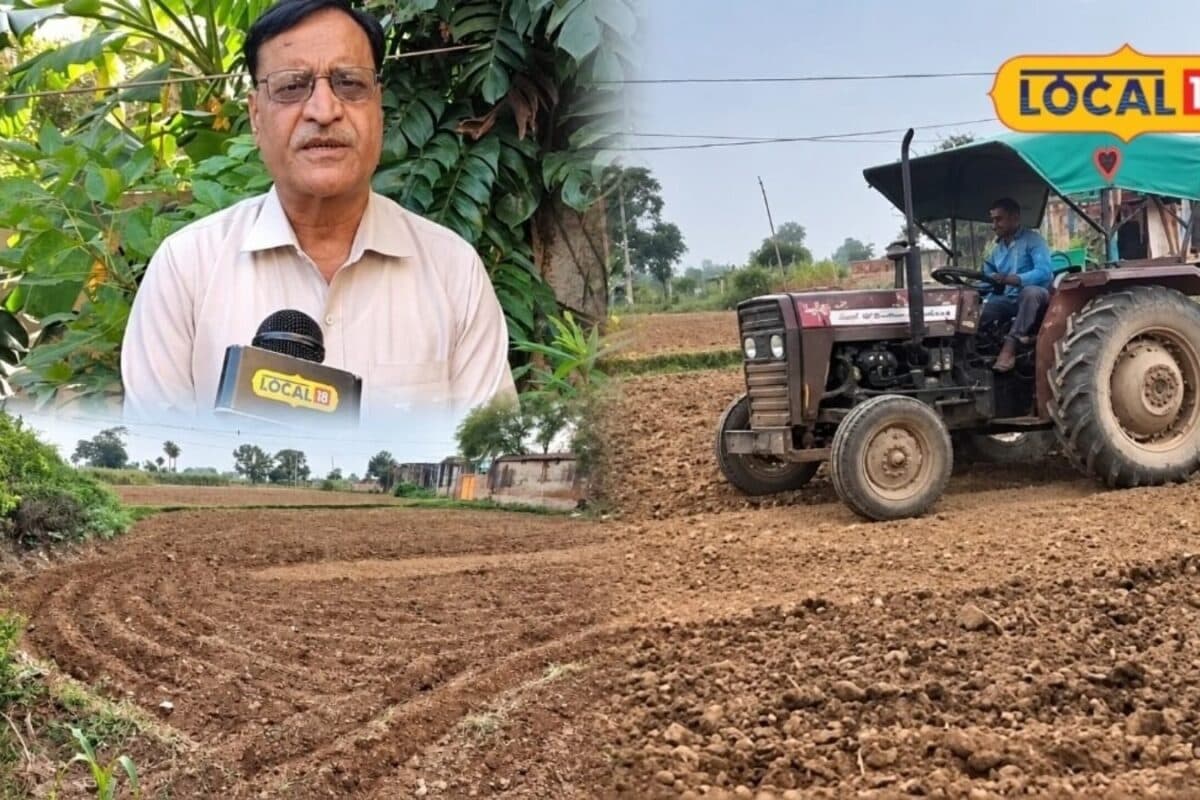
With the arrival of the mustard sowing season in the Bharatpur district of Rajasthan, local farmers have intensified their field preparations to ensure a prosperous harvest. Known extensively for its high-quality mustard production, the region serves as a prominent agricultural hub where meticulous attention is paid to every stage of cultivation, ranging from initial deep ploughing to precise seed placement. The timing of sowing is considered extremely crucial for maximizing overall yield, prompting farmers to commence their preparations immediately as weather conditions become favorable.
Historically, the Bharatpur region has maintained a stellar reputation for oilseed cultivation, particularly mustard, which forms the backbone of the local agrarian economy. Generations of farming communities have perfected traditional methods while gradually incorporating modern scientific recommendations. This blend of generational knowledge and contemporary agricultural science has allowed the district to sustain high levels of productivity despite fluctuating climatic challenges and changing environmental conditions over successive agricultural seasons.
At present, local agricultural practices in the district heavily rely on two distinct sowing methodologies to optimize field output. The first method involves the use of specialized machinery to place seeds systematically in straight lines maintaining a definite distance and proper depth, which ensures uniform germination and efficient utilization of soil nutrients. The second widely practiced method entails broadcasting seeds manually across the prepared field, a technique often chosen based on traditional preferences and specific soil topography.
Providing expert guidance on these techniques, agricultural scientist Dr. Udai Bhan Singh has emphasized that achieving superior yield requires adherence to several critical agronomic parameters. According to his expert evaluation, farmers must prioritize the selection of high-quality certified seeds, application of balanced fertilizers based on soil health tests, thorough field preparation, and strict adherence to optimal sowing schedules. These measures collectively mitigate risks and enhance the resilience of the mustard crop against potential biotic and abiotic stresses.
The agricultural dynamics observed in Bharatpur hold significant economic implications for the broader region, including neighboring administrative areas like Kotputli-Behror. Local farming communities closely monitor successful agricultural practices from established districts to replicate high productivity benchmarks in their own fields. The economic prosperity of rural households in this part of Rajasthan is intrinsically tied to the success of the mustard harvest, making every sowing season a period of immense anticipation and intensive labor.
Administrative bodies and agricultural extension departments continue to play a supportive role by organizing awareness camps and distributing technical advisories to farming communities. These institutional efforts are aimed at educating cultivators about optimal input management, pest control strategies, and the benefits of adopting mechanized sowing methods. By bridging the gap between laboratory research and practical farming, local authorities strive to ensure sustainable agricultural growth across the region.
Looking ahead, the ongoing sowing season is projected to pave the way for a bountiful harvest, provided that seasonal weather patterns remain favorable and adequate moisture is retained in the soil profile. Agricultural extension services will maintain continuous oversight to guide farmers through critical phases of crop development, including irrigation management and timely weeding. Ultimately, the meticulous implementation of recommended sowing practices is expected to secure robust financial returns for the hardworking farming families of Rajasthan.
