
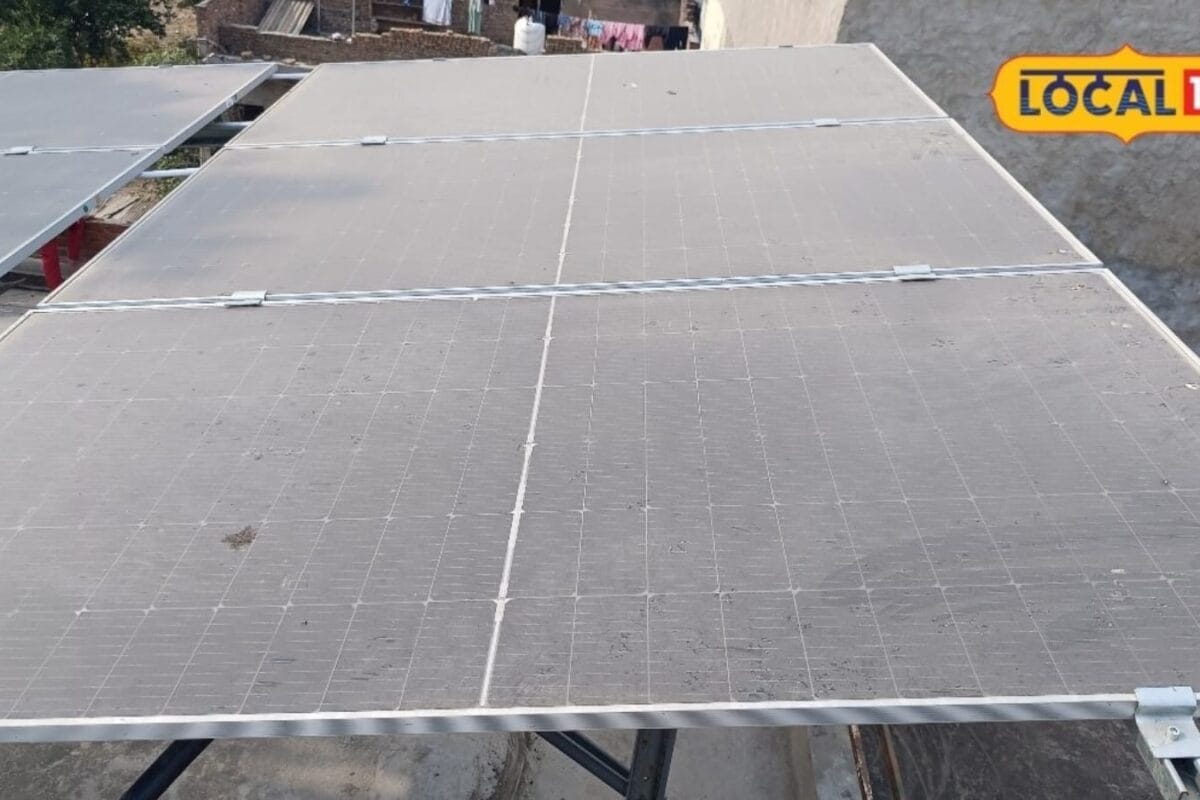
Agricultural authorities and energy experts have released comprehensive guidelines addressing the vital necessity of regular maintenance and cleaning for solar panels utilized by farmers in agricultural irrigation. As the reliance on renewable energy sources continues to expand across rural and farming communities, ensuring the peak operational performance of photovoltaic infrastructure has become an economic priority. Solar irrigation systems represent a substantial investment for cultivators, making the preservation of their energy output essential for sustainable farming operations and financial stability.
The historical reliance on traditional fossil fuels and grid electricity has gradually transformed with the widespread adoption of solar-powered agricultural pumps. However, operating solar infrastructure in open agrarian environments exposes the panels to various environmental elements that naturally accumulate over time. Without structured upkeep routines, these installations experience progressive degradation in their capacity to convert sunlight into usable electrical energy, directly threatening the irrigation schedules and crop yields of dependent farming households.
Field assessments and technical evaluations indicate that the accumulation of environmental contaminants, including dust, airborne soil particles, and bird droppings, poses a severe hazard to photovoltaic efficiency. Specifically, when such debris forms a persistent layer across the surface of the glass, it can cause a drastic twenty to thirty percent reduction in overall electricity generation. This substantial deficit in power output directly restricts the daily operational hours of agricultural water pumps, forcing farmers to confront unexpected irrigation shortages during critical crop growth cycles.
Agricultural extension workers and technical specialists emphasize that routine surface examinations should be conducted consistently, specifically recommending that farmers inspect their solar installations every seven to fifteen days. Establishing this disciplined schedule allows cultivators to identify early accumulations of grime before they solidify or cause permanent thermal stress to the photovoltaic cells. Furthermore, experts note that the timing of the cleaning procedure plays a decisive role in protecting the hardware from thermal shock and ensuring safety.
To achieve maximum cleaning efficiency without risking physical damage to the equipment, professionals strongly advise conducting washing activities strictly during the early morning or late evening hours. Cleaning panels while they are intensely heated by midday sunlight can induce severe temperature differentials when cold water is applied, potentially cracking the glass panels. Additionally, maintenance protocols dictate the exclusive use of clean, mild water paired with soft cleaning cloths or non-abrasive brushes to gently wipe away accumulated particles.
A critical component of these newly issued guidelines involves explicit warnings against improper cleaning habits that frequently damage costly solar assets. Officials have cautioned against the employment of rough brushes, harsh industrial chemicals, and standard household detergents, all of which can corrode the protective anti-reflective coatings and scratch the photovoltaic glass surface permanently. Avoiding these harmful shortcuts guarantees the longevity of the installation and preserves the warranty terms provided by equipment manufacturers.
Looking forward, agricultural development agencies plan to conduct extensive outreach and awareness camps across rural districts to educate farmers on technical upkeep. Alongside cleaning the glass surfaces, the advisory stresses the necessity of conducting routine technical inspections of electrical wiring, physical connections, inverters, and structural mounting stands. Through rigorous adherence to these maintenance standards, farming communities can safeguard their renewable energy investments and secure uninterrupted power supplies for their agricultural enterprises.
