
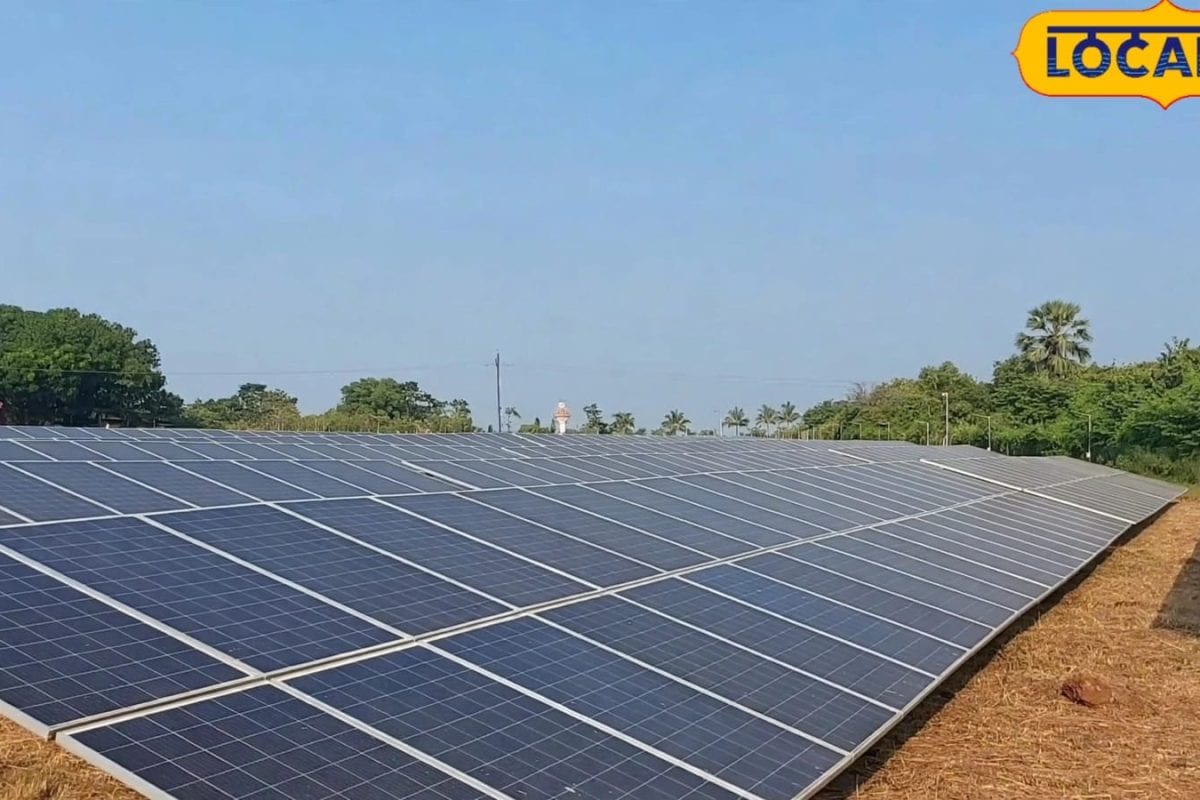
Jhunjhunu district has firmly established a robust foundation for its power infrastructure through the expansive growth of solar energy generation. Over the past five years, the region has witnessed a monumental shift in how electricity is produced and consumed, moving steadily away from conventional dependency toward sustainable, renewable sources. This transition marks a critical milestone for the local administration and the state's energy sector as a whole.
Reflecting on the historical context of the energy landscape in Jhunjhunu, the region previously faced severe infrastructure hurdles and heavy reliance on traditional grid supplies to meet domestic and agricultural demands. Recognizing the immense geographic potential of the area—marked by abundant sunshine and vast tracts of barren land—planners and policymakers prioritized decentralized solar generation as a viable, long-term solution to bridge persistent supply deficits.
Examining the ground reality and financial stakes involved, more than 3,320 small and large solar plants have been successfully established across the district. These installations collectively produce approximately 3.33 lakh units of electricity on a daily basis, accumulating to well over one crore units of clean energy every single month. The physical network of this green grid now spans extensively, covering everything from residential rooftops and commercial establishments to barren agricultural lands.
Key governmental frameworks have played a pivotal role in accelerating this expansion, most notably the PM KUSUM Yojana and the PM Surya Ghar Yojana. Under the PM KUSUM Yojana alone, 26 dedicated plants have been commissioned, successfully developing an impressive 29 megawatts of power generation capacity. Concurrently, the PM Surya Ghar Yojana has facilitated the installation of solar systems in 2,694 households, directly empowering ordinary citizens to generate their own power.
The regional impact of this solar revolution extends far beyond urban centers, touching the grassroots economy and significantly easing the daily lives of local farming communities. Farmers who previously endured erratic schedules and overnight irrigation struggles are now experiencing a massive relief. The administration has successfully arranged for agricultural power supply to be delivered during daytime hours, specifically from 6 am to 6 pm, replacing the strenuous night shifts.
Administrative oversight and proactive institutional measures have been instrumental in maintaining the momentum of these renewable energy programs. Local distribution companies and district authorities have worked in tandem to streamline approvals, expedite technical connections, and ensure that subsidies under national schemes reach eligible beneficiaries without unnecessary bureaucratic delays or administrative bottlenecks.
Looking toward the forward outlook and upcoming procedures, the district administration has laid out an ambitious roadmap for the next six months. Authorities are actively preparing to integrate another five thousand residential rooftops into the solar grid network under ongoing expansion phases. This sustained push ensures that Jhunjhunu will remain at the forefront of rural and semi-urban green energy adoption for years to come.
