
In a major infrastructural and welfare development for the state of Rajasthan, the state government has officially initiated the Unified Lead Aggregation Scheme. This ambitious project aims to install free rooftop solar systems directly on the residences of electricity consumers who are already benefiting from 100 units of free electricity per month. The primary objective is to transition vulnerable households toward sustainable solar energy while completely alleviating their electricity expenditure burden without requiring any upfront capital from the citizens.
The genesis of this new administrative framework lies in the practical implementation hurdles observed under the broader PM Surya Ghar Scheme. Under the national framework, households previously faced an initial out-of-pocket setup cost ranging between 60,000 to 70,000 rupees. This significant financial barrier resulted in considerably lower public participation and subdued interest among ordinary residents, despite the long-term economic advantages promised by solar power generation.
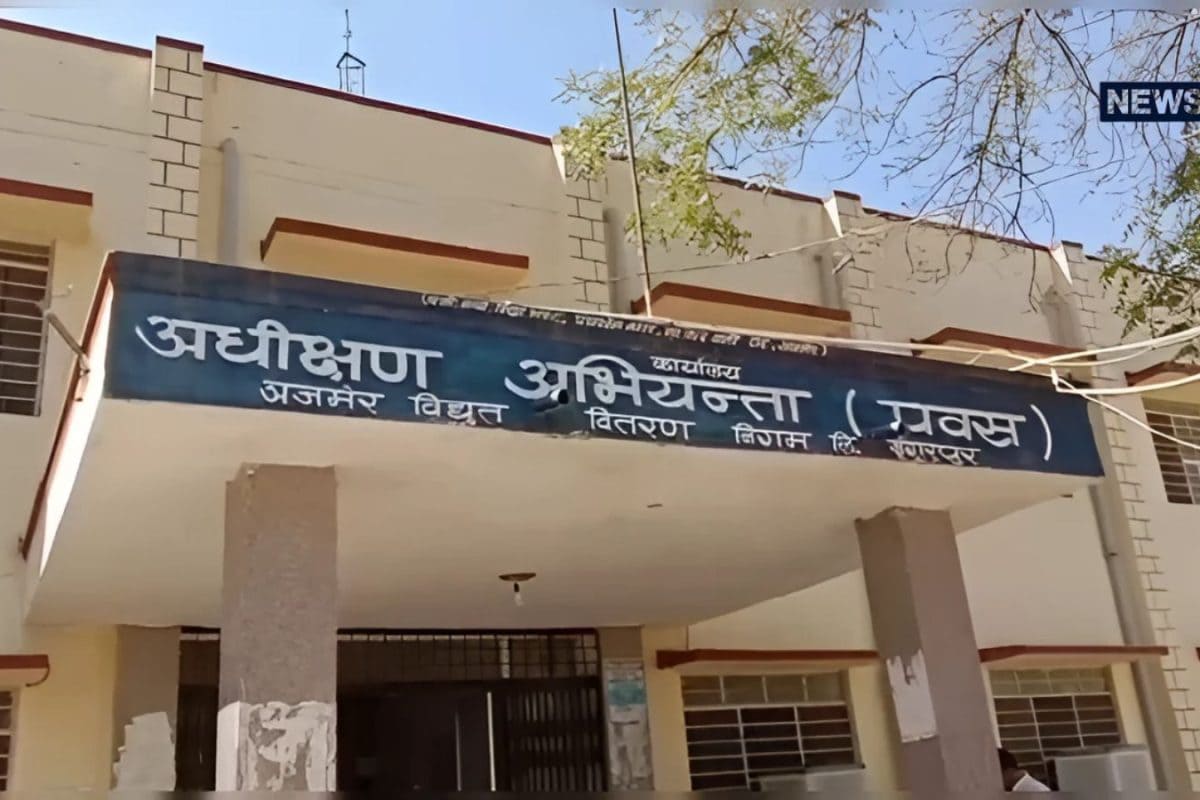
Addressing these financial bottlenecks, the newly unveiled Unified Lead Aggregation Scheme shifts the entire financial burden onto the government administration. According to the administrative details shared by Dungarpur AVVNL Superintending Engineer VK Dosi, the implementation blueprint has been meticulously structured. In the very first phase of this comprehensive deployment, exactly 6,000 eligible consumers within the district will directly receive the benefits of these installations.
Stakeholder assessments and official evaluations highlight that this model effectively bridges the gap between state welfare promises and ground-level execution. By completely absorbing the initial capital expenditure that previously hindered lower-income households, the administration ensures that green energy adoption is no longer restricted to affluent property owners. Energy sector observers and local community representatives have lauded the targeted approach of focusing first on households already certified within the 100-unit free electricity slab.
While the immediate rollout is centered in the Dungarpur region under the purview of AVVNL, the broader implications of this policy resonate across the entire state of Rajasthan, including developing districts. The successful transition of subsidized electricity consumers to self-sustaining solar producers is projected to alleviate considerable strain on the state power grid, reduce long-term subsidy disbursements, and foster a robust local green economy.
Administrative readiness for this project has reached advanced stages, with the electricity distribution corporation successfully concluding the exhaustive tender process. Bureaucratic delays have been minimized through streamlined procurement protocols, ensuring that infrastructural deployment can commence immediately upon the formal issuance of work orders to the selected executing agencies.
Looking ahead, the successful execution of this initial 6,000-consumer phase in Dungarpur is expected to serve as a operational template for subsequent expansions across Rajasthan. With the government bearing all associated costs, authorities anticipate rapid citizen cooperation and accelerated installation timelines, marking a transformative milestone in the state's renewable energy landscape.
