
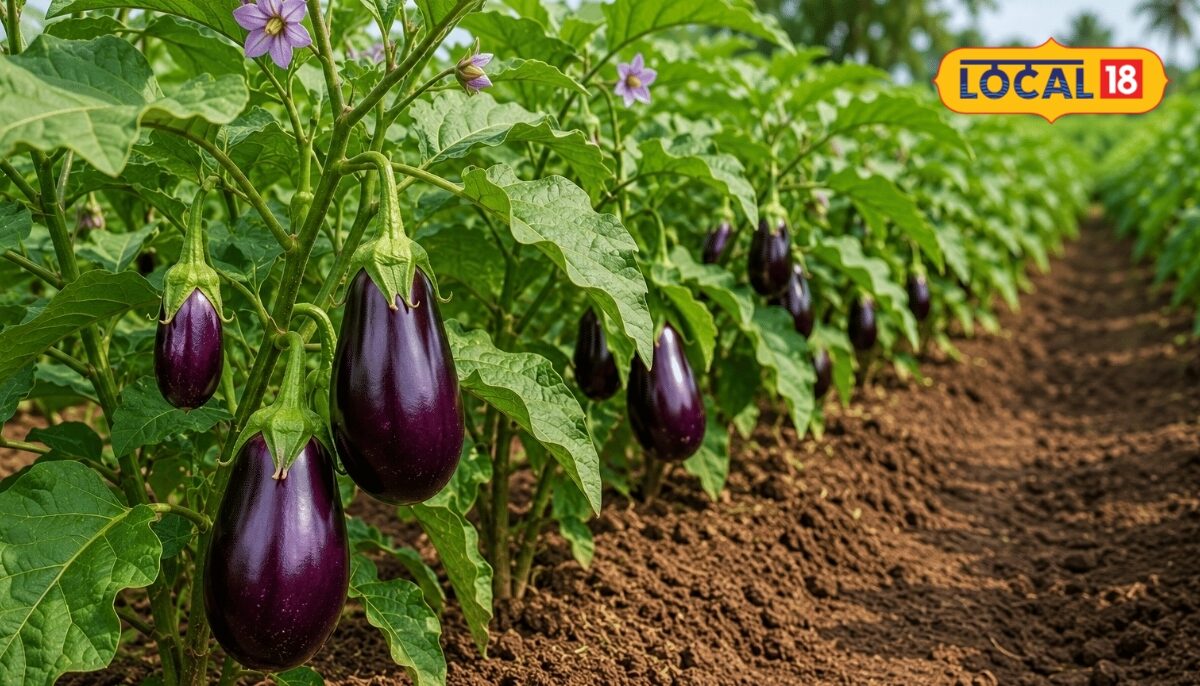
Agricultural authorities have issued a vital advisory for farmers engaged in brinjal cultivation as shifting weather patterns during the crucial months of November and December present distinct seasonal challenges. The onset of winter introduces specific environmental stressors that can severely hamper vegetative growth and overall crop yield if proper preventive measures are not instituted promptly. Cultivators across the agricultural belt are thus urged to remain exceptionally vigilant regarding the microclimatic conditions within their fields to safeguard their investments.
Historically, winter transition phases have witnessed fluctuating temperatures and varying morning dew conditions, which collectively create a conducive microenvironment for various fungal pathogens and insect infestations. Understanding this historical vulnerability, agricultural extension services continually emphasize the importance of proactive farm management during late autumn and early winter. Past experiences in regional farming communities consistently demonstrate that neglecting early-stage crop protection invariably leads to diminished market quality and substantial financial setbacks for agrarian households.
At the ground level, the logistical stakes for farmers heavily rely on meticulous field maintenance and resource management. The current advisory mandates that growers maintain a precise moisture balance in the soil, avoiding both waterlogging and extreme dryness. Regular and calibrated irrigation schedules must be maintained to support root health against thermal shocks caused by cold winter nights. Additionally, keeping the fields strictly free from unwanted weeds prevents unnecessary resource competition, ensuring that the brinjal plants absorb maximum nutrients and moisture during their critical developmental phases.
Agrarian stakeholders, local farming cooperatives, and veteran horticulturists emphasize that early identification remains the ultimate defense against agricultural losses. Farmers are strongly advised to conduct routine physical inspections of their crop canopy, paying meticulous attention to the underside of the foliage where numerous destructive insects frequently conceal themselves before initiating widespread damage. Agricultural experts recommend immediate consultation with certified district specialists at the very first sight of abnormal discoloration, leaf curling, or insect presence, thereby enabling targeted and timely interventions.
The regional impact of these seasonal challenges extends directly into the rural economy, influencing local market supplies and household incomes within agrarian districts. Brinjal constitutes a significant component of local vegetable production, making its successful harvest vital for maintaining stable market prices and ensuring economic viability for farming families. When winter crop protection protocols are diligently implemented, the regional agricultural ecosystem benefits from consistent productivity and reduced vulnerability against unexpected climatic anomalies.
Administrative oversight and agricultural extension departments continue to monitor field conditions closely while disseminating precautionary guidelines through local networks. District agricultural officers stress the importance of adhering strictly to recommended agronomic practices, urging community members to utilize authorized diagnostic facilities for any unidentified crop diseases. Local administrative bodies remain committed to supporting rural producers by facilitating access to technical guidance, thereby strengthening the resilience of the local farming community against seasonal adversities.
Looking toward the remainder of the winter season, agricultural planners maintain an optimistic yet cautious outlook regarding crop survival and productivity timelines. By strictly following the prescribed protocols concerning irrigation, weeding, and pest management, cultivators can successfully navigate the freezing months without experiencing catastrophic crop failures. Public awareness campaigns and continuous expert consultations will remain operational throughout the season to ensure that every farmer receives timely support and guidance.
