
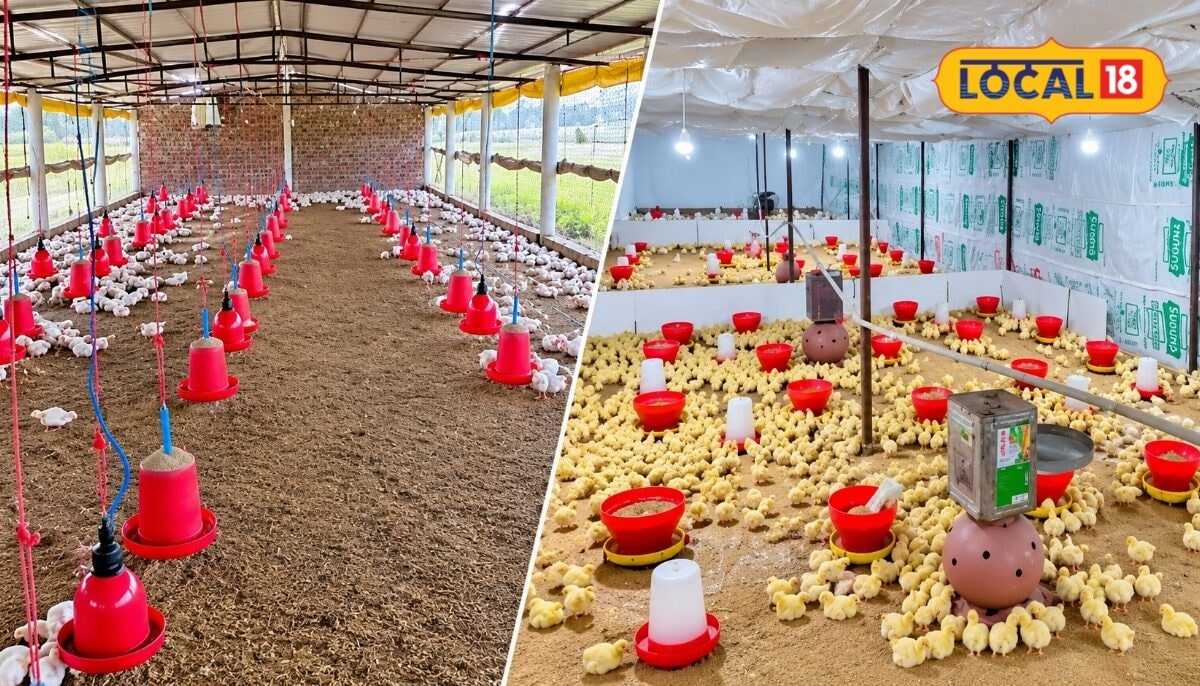
As the winter season sets in, poultry farmers across the region face a unique set of meteorological challenges that directly threaten the health and productivity of their flocks. A sharp decline in ambient temperatures inevitably alters the physiological behavior of birds, notably reducing their water consumption and creating severe vulnerability for newly hatched chicks. Without adequate intervention, this seasonal shift can lead to drastic drops in commercial outputs such as egg production and bird weight.
Historically, winter management in rural and semi-urban poultry operations has required meticulous attention to micro-climatic conditions within housing units. Temperature fluctuations during cold waves disrupt metabolic rates, making it difficult for poultry to maintain normal body temperatures. Recognizing these recurring vulnerabilities, experienced local poultry farmer Bhagwan Sahay Chaudhary has stepped forward to guide regional agriculturalists through standardized cold-weather protocols.
At the core of these recommendations are 5 vital operational adjustments designed to safeguard vulnerable livestock from freezing conditions. A primary logistical challenge during winter is protecting feed stocks from ambient ground moisture, which can induce fungal growth and ruin nutritional quality. To combat this, Chaudhary explicitly advises keeping all feed containers elevated well above the ground level, ensuring dryness, safety, and hygiene for the consuming flock.
Addressing the critical needs of young poultry, technical guidelines dictate that the chick brooding room must maintain a regulated temperature of approximately 95 degrees Fahrenheit during the crucial initial week of life. This strict thermal requirement prevents cold stress-induced mortality among delicate hatchlings. Furthermore, adequate ventilation must be meticulously balanced with the installation of protective curtains to successfully block chilling drafts without suffocating the interior living space.
The broader regional economy relies heavily on sustainable poultry farming to support local food security and agricultural livelihoods. When individual farmers successfully implement these expert-recommended measures, the entire regional marketplace benefits from a stable supply of high-quality eggs and poultry meat. Maintaining production efficiency during harsh winter months directly shields smallholder farmers from financial distress and market volatility.
Agricultural extension workers and local community leaders are increasingly emphasizing the importance of institutional support and standardized best practices. Proper sanitation protocols, alongside structured housing modifications, form the backbone of modern disease prevention during cold spells. Veterinary oversight ensures that localized outbreaks are intercepted early, reinforcing the resilience of grassroots agricultural communities.
Looking ahead, proactive preparation remains the single most effective defense against seasonal climatic extremes. By strictly adhering to these 5 proven management practices, regional poultry operations can successfully navigate winter hurdles without suffering losses in productivity. Stakeholders remain optimistic that continued dissemination of expert guidance will secure sustainable growth for the domestic poultry sector for years to come.
