
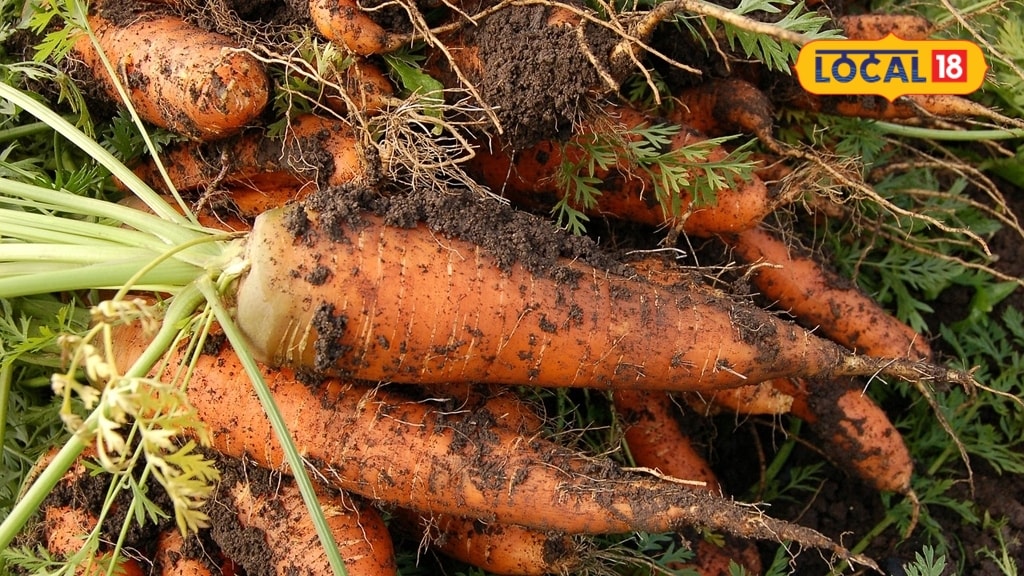
Farmers engaged in the cultivation of carrots during the critical months of November and December are being advised by agricultural experts to exercise utmost vigilance regarding their crop management practices. This period marks a crucial phase in the agricultural calendar where minor oversights in daily farming operations can result in substantial agricultural losses. As winter settles across the region and temperatures begin to drop significantly, the physiological needs of the carrot crop undergo distinct transformations that demand immediate and calculated responses from growers.
Historically, the months of November and December have proven to be definitive for winter root vegetables, serving as the primary growth window that ultimately determines both the physical quality of the harvest and the subsequent market returns. Traditional farming wisdom combined with contemporary agricultural guidelines emphasizes that the foundational care administered during this bi-monthly window dictates the commercial viability of the entire produce. The transition from autumn warmth to winter chill requires farmers to carefully calibrate their daily farm management routines to match the changing climatic conditions.
At the center of successful carrot production during this period is the delicate balance of field irrigation and moisture management. As ambient temperatures decrease, the evaporation rate of soil moisture also shifts, meaning that irrigation schedules must be meticulously adjusted to the specific requirements of the crop. Excessive water accumulation within the agricultural fields poses a severe threat, potentially leading to root rot and fungal proliferation. Conversely, allowing the soil to experience prolonged moisture deficits severely impedes the proper vertical and lateral development of the carrot roots, resulting in stunted, deformed, or commercially unviable produce.
Agricultural stakeholders, including veteran farmers, local produce traders, and agricultural extension advisors, emphasize that financial success in the marketplace is directly tied to the diligence applied in the fields during November and December. Traders note that consumers and commercial buyers strictly evaluate root straightness, uniformity, and overall quality, all of which are compromised if the crop suffers from nutritional stress or improper watering during its expansion phase. Consequently, active communication between farming communities and agricultural advisors remains high as growers seek to optimize every facet of their field operations.
Within regional agricultural belts, the localized impact of adopting correct November and December farming protocols is profound, directly influencing the rural economy and household incomes of agrarian families. Carrots constitute a major component of the winter harvest economy, and successful yields contribute significantly to the financial stability of local farming communities. When local growers successfully manage weed proliferation, maintain balanced nutrition, and regulate soil moisture, the resulting high-grade harvest elevates the economic standing of the entire agricultural sector in the region.
Agricultural administration and local extension bodies continuously stress the implementation of systematic oversight and preventive measures during this period. Officials urge farmers to utilize balanced fertilization schedules and regular soil monitoring to detect nutrient deficiencies before they manifest as reduced yields. Technical guidance is routinely disseminated to help farmers navigate the complexities of winter crop care, ensuring that standard operating procedures for weed control and irrigation are strictly followed across all participating farmlands.
Looking ahead toward the harvest season, the forward outlook remains promising for diligent farmers who adhere strictly to recommended winter management protocols. By maintaining disciplined oversight of irrigation, nutrient supply, and weed eradication through November and December, agriculturalists can anticipate robust yields and favorable market pricing. The upcoming weeks will remain critical as the crops enter their final maturation phases, requiring unwavering commitment from the farming community to secure a bountiful and profitable harvest.
