
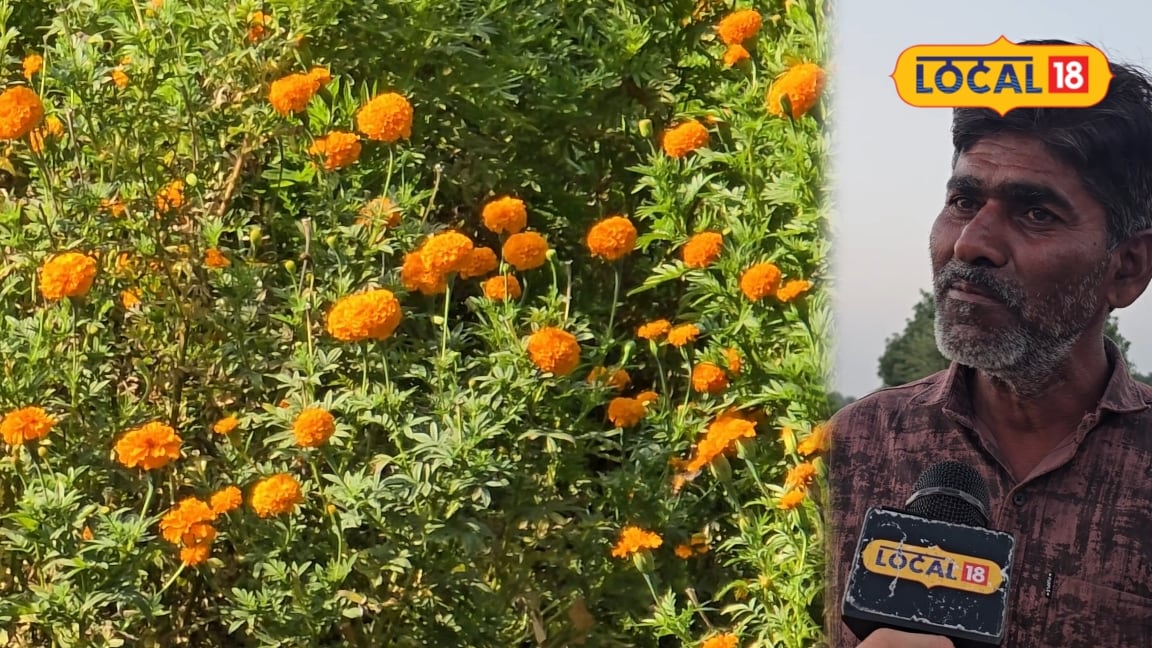
In the evolving landscape of rural agriculture, farmers across the Pali district are increasingly diversifying their traditional crop cycles to embrace high-yield, low-investment cash crops. Within the Jojawar region, a notable agricultural shift is underway as local cultivators turn their focus toward marigold flower farming. This horticultural pivot is proving to be a game-changer for agrarian livelihoods, offering an economically viable pathway that minimizes financial risks while maximizing consistent returns.
The historical backdrop of farming in this arid and semi-arid terrain has traditionally been defined by heavy reliance on seasonal monsoon patterns and resource-intensive staple crops. However, the pressing need for financial resilience has driven agricultural practitioners to explore alternative cultivation methods. Marigold farming, locally recognized as 'hajara', has emerged as a resilient agricultural practice that thrives under regional climatic conditions without demanding exorbitant infrastructural investments or massive water reserves.
Delving into the ground reality of this agricultural practice reveals remarkable logistical and financial advantages for the farming community. According to local farmer Tarachand, the cultivation process eliminates the dependency on expensive commercially procured seeds. Instead, farmers efficiently utilize flower petals and specialized propagation techniques to prepare the crop. This method allows the marigold plants to be grown seamlessly alongside other primary crops, optimizing land utilization without exerting undue pressure on existing agricultural resources.
Stakeholder perspectives from the agricultural fields of Jojawar highlight the multifaceted benefits experienced by the farming community. Practitioners emphasize that the crop requires only light soil and minimal irrigation, making it exceptionally well-suited for regions with constrained water availability. Furthermore, the financial structure of marigold farming yields significant advantages, serving as a reliable source of frequent cash flow as harvests can be marketed continuously every second or third day, directly easing household financial pressures.
Beyond the direct financial gains, the cultivation of marigolds introduces vital ecological advantages to the wider farming ecosystem. Agricultural experts and participating farmers note that the natural fragrance emitted by marigold flowers acts as an effective deterrent against harmful pests, keeping them away from the main agricultural crops. Concurrently, the flowers attract beneficial insects, establishing a natural balance within the farm environment that safeguards yields without necessitating heavy chemical pesticide applications.
The administrative and regional implications of such sustainable agricultural diversification hold immense promise for the broader district economy. As successful models of low-cost, high-return farming take root in Jojawar, agricultural departments observe a growing interest among rural communities to adopt similar practices. The emphasis on natural pest management and resource-efficient farming aligns with long-term agricultural sustainability goals, encouraging a shift toward ecologically sound rural development policies.
Looking toward the forward outlook, the continued expansion of marigold cultivation in Pali district is expected to inspire more local farmers to integrate horticulture into their traditional farming frameworks. With minimal input barriers, ongoing technical adaptation through petal propagation, and the dual benefit of enhanced crop protection alongside steady cash generation, Jojawar stands as a compelling testament to the viability of innovative, community-led agricultural progression.
