
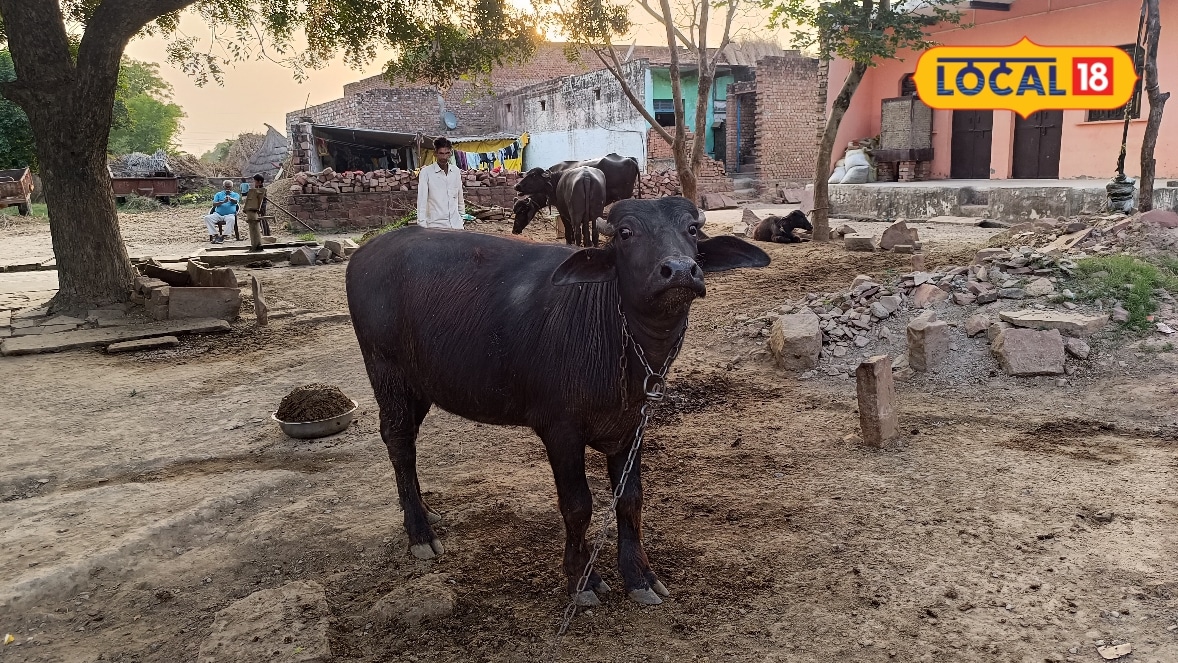
As the winter season intensifies across the region, agricultural and veterinary authorities have issued an urgent and comprehensive advisory regarding the paramount importance of protecting livestock from severe dermatological conditions, hair loss, and painful blistering. Livestock owners are being strongly cautioned that maintaining animals in a wet or damp condition during freezing temperatures dramatically escalates the susceptibility of the animals to dangerous fungal infections. These seasonal climatic challenges demand heightened vigilance and proactive management from every member of the agricultural community to ensure the overall health, productivity, and welfare of their valuable livestock assets.
Historically, the onset of winter brings distinct husbandry challenges, primarily due to the combination of low ambient temperatures, morning dews, and persistent humidity which together create an ideal microclimate for various pathogens and fungi to thrive. Traditionally, rural communities have faced seasonal drops in milk yield and animal vigor during harsh winters, a phenomenon largely attributed to inadequate protection against biting cold winds and damp bedding conditions. Recognizing these persistent historical vulnerabilities, modern veterinary science now emphasizes a structured approach to winter animal management, transforming traditional practices into scientifically backed preventive care routines.
A critical examination of ground realities reveals that managing livestock hygiene during freezing spells involves meticulous daily routines and specific logistical considerations. Animal husbandry experts stress that if any animal accidentally becomes wet due to rain, heavy dew, or washing procedures, immediate remedial action is non-negotiable. Caretakers must diligently dry the animal using clean, dry cloths to eliminate surface moisture before exposing the creature to gentle sunlight for a brief duration. This crucial step ensures that the animal's hide and underlying coat are completely desiccated, thereby preventing the entrapment of moisture that invariably leads to severe skin irritations, lesions, and fungal outbreaks.
Speaking on behalf of the agricultural advisory network, experienced veterinarians and community leaders underscore the shared responsibility of local farmers in implementing these vital health protocols. Direct observations from rural livestock markets and dairy farms indicate a growing awareness among progressive farmers regarding the direct correlation between animal comfort and economic return. Industry stakeholders note that neglected animals suffering from winter dermatological ailments exhibit reduced feed intake, diminished vitality, and significantly lower productivity, translating into direct financial losses for local farming households that depend heavily on dairy and livestock outputs.
The regional impact of these winter care protocols extends deeply into the socioeconomic fabric of rural communities, particularly within agricultural hubs where livestock rearing forms the backbone of the local economy. Ensuring the robust health of cattle, buffaloes, and other farm animals during harsh winters stabilizes rural incomes and prevents costly medical interventions necessitated by advanced infections. Community leaders and agricultural extension workers are actively engaging with villagers to disseminate best practices, ensuring that every household possesses the requisite knowledge and preparedness to shield their animals from the adverse rigors of the winter climate.
In response to recurring seasonal health challenges, administrative bodies and local veterinary departments have ramped up their outreach initiatives, providing systematic guidance and educational resources to livestock owners. Official measures include distributing informative advisories on proper housing infrastructure, emphasizing the absolute necessity of constructing secure, well-ventilated shelters that block freezing nocturnal drafts while preventing internal moisture accumulation. Veterinary departments are maintaining heightened vigilance, urging farmers to immediately report any early signs of skin abnormalities, hair shedding, or blistering for timely professional diagnosis and treatment.
Looking toward the remainder of the winter season, agricultural authorities and community stakeholders remain committed to sustaining these preventive education campaigns and health monitoring frameworks. Public expectations center on continuous support from veterinary extension services, timely availability of protective supplies, and sustained community cooperation to safeguard livestock health comprehensively. By strictly adhering to these established guidelines—keeping animals dry, utilizing sunlight effectively, and securing proper nighttime shelter—the agricultural community can successfully navigate the winter months with healthy, thriving livestock and resilient rural livelihoods.
