
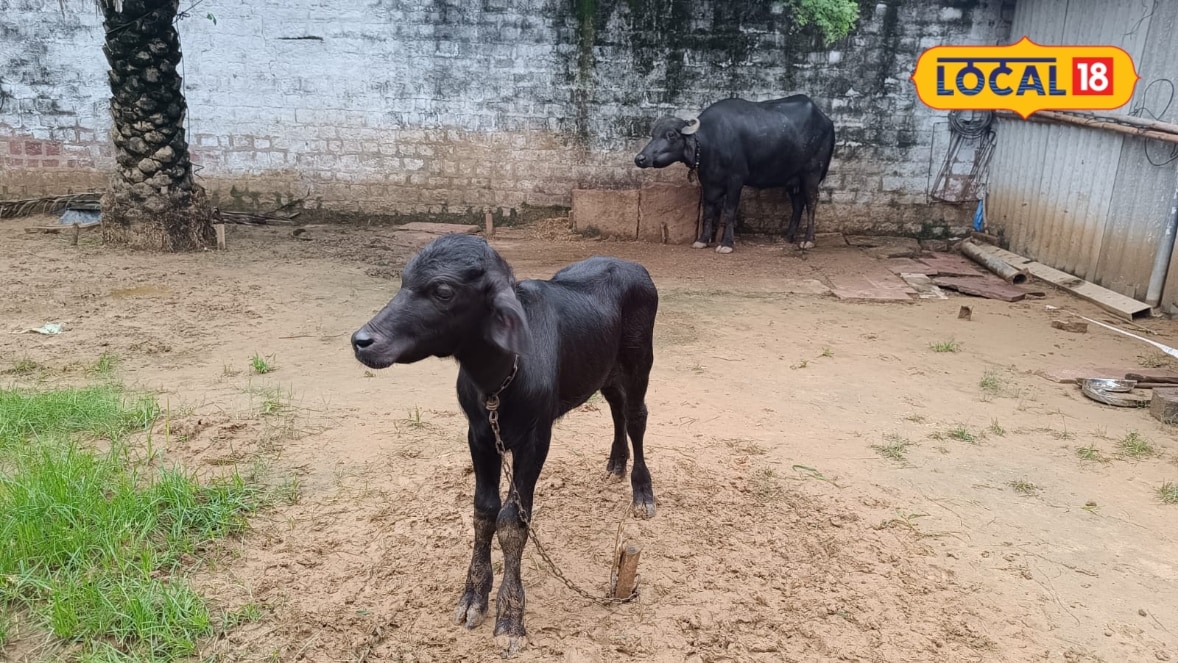
Livestock management requires constant vigilance, especially during critical phases such as the delivery period in dairy animals. While animal birth is a routine biological process in rural and agricultural households, even minor negligence can prove severely detrimental to both the mother animal and the newborn calf. Veterinary experts and agricultural specialists continuously emphasize that proper pre-natal care determines the future productivity and survival rates of livestock within the regional economy.
Historically, traditional animal husbandry practices have relied heavily on community knowledge passed down through generations. However, modern scientific interventions have highlighted specific protocols that must be followed during the final stages of gestation. Understanding the physiological changes in pregnant cows and buffaloes allows dairy farmers to anticipate complications and implement timely preventive measures to safeguard their valuable livestock investments.
A critical component of pre-natal management involves precise nutritional planning during the concluding months of pregnancy. Experts advise providing adequate dietary supplements, specifically incorporating 15-20 kilos of green fodder and essential mineral salts daily to meet the heightened nutritional demands of the animal. Furthermore, managing the lactation cycle efficiently requires that dairy farmers completely stop milking the animal 45-60 days prior to the expected date of delivery, allowing the mammary system adequate time to rest and regenerate.
Experienced dairy farmers, local livestock traders, and rural veterinarians share a consensus regarding the infrastructural preparations required for safe bovine delivery. Stakeholders point out that arranging a clean, well-ventilated, and isolated room specifically designated for the mother animal significantly reduces the risk of post-natal infections. Maintaining immaculate hygiene before, during, and immediately after the delivery process remains an absolute priority for preventing common postpartum diseases in cattle and buffaloes.
The regional economy of rural and semi-urban agricultural belts depends substantially on dairy farming, making animal health a matter of direct financial stability for local households. Any loss of livestock or newborn calves due to inadequate medical or nutritional care during delivery translates into severe economic setbacks for marginalized farmers. Consequently, adopting standardized birthing protocols protects regional dairy output and ensures the financial well-being of families dependent on milk production.
Local administrative bodies, veterinary departments, and community extension workers routinely organize awareness camps to guide farmers on optimal livestock management. These institutional measures aim to educate rural populations about scientific birthing procedures, proper sanitation standards, and the critical importance of administering immediate post-natal care to newborns. Strengthening administrative support systems ensures that farmers have timely access to professional veterinary assistance during emergency situations.
Looking forward, the sustained growth of the regional dairy sector relies entirely on the strict adherence to these established pre-natal and post-natal guidelines. Livestock owners must prioritize feeding the newborn calf its first colostrum milk immediately after birth to build foundational immunity. By combining traditional dedication with modern veterinary science, farming communities can successfully secure the health of their animals and maximize future agricultural productivity.