
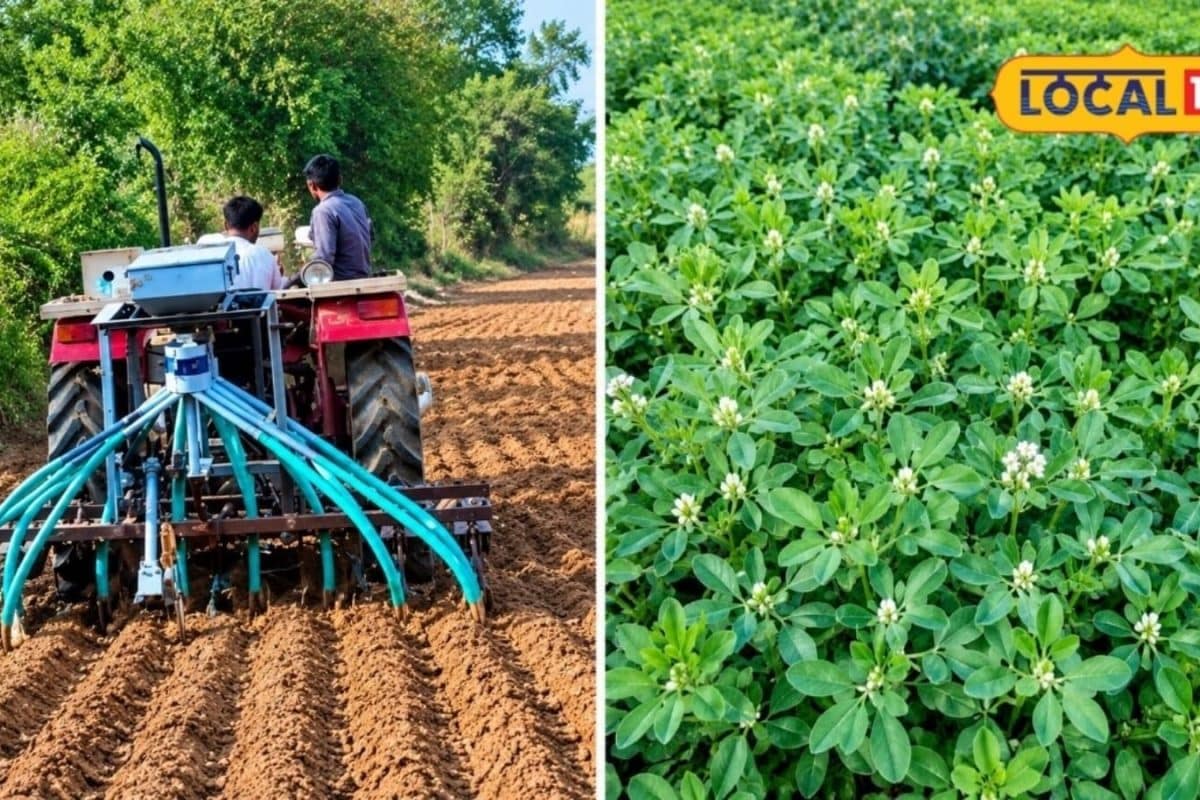
During the ongoing Rabi agricultural season, the cultivation of Kasuri Methi in the Nagour district has emerged as a remarkably profitable alternative for local farmers looking to diversify their incomes. The aromatic leaves of this specialized herb are extensively utilized in enhancing the flavor of numerous traditional vegetables, stuffed parathas, and a wide variety of culinary preparations across households and commercial kitchens alike. Given the consistent and robust demand observed in the domestic marketplace, agricultural planners and farming communities are increasingly incorporating this valuable crop into their seasonal planning strategies.
Historically, spice and herb farming has served as a reliable economic buffer for rural agriculturists in the region, adapting to shifting consumer preferences and culinary trends. The distinct aromatic profile and culinary versatility of Kasuri Methi have historically secured its position as a high-value commodity in agricultural trade networks. Understanding this historical market preference allows contemporary cultivators to align their production schedules with periods of peak consumer demand, thereby maximizing their economic returns and establishing a stable source of seasonal revenue.
Analyzing the ground reality and logistical requirements of this enterprise, agricultural stakeholders emphasize that meticulous field management is paramount for achieving optimal yields. According to young progressive farmer Arjun Chaudhary, the ideal window for sowing Kasuri Methi in Nagour falls precisely between the middle and the final week of November. Farmers are strongly encouraged to select the specialized Pusa Kasuri variety to ensure superior genetic traits and high resistance factors. The operational protocol mandates thorough field ploughing, pulverizing the soil into a fine tilth, and establishing rigorous drainage systems to prevent water stagnation.
Engaging directly with the farming community reveals vital insights regarding operational best practices and financial stakes. Progressive voices within the district, including Arjun Chaudhary, stress that agricultural success depends heavily on utilizing certified quality seeds and applying balanced organic or chemical fertilizers. Furthermore, maintaining optimal irrigation schedules tailored to the exact moisture requirements of the soil, coupled with timely weed control mechanisms, directly elevates the overall market grade of the harvest. Producers are constantly advised to cross-verify prevailing market rates and demand trends in the local wholesale mandi before initiating their sowing operations.
Examining the broader regional impact on the wider district economy, successful adoption of Kasuri Methi cultivation generates substantial employment opportunities and bolsters the rural supply chain. Smallholder farmers who successfully harvest and market this aromatic crop experience enhanced financial stability, which subsequently contributes to local commercial vitality. The integration of high-value cash crops into traditional Rabi cropping patterns helps diversify the agricultural output of the area, reducing reliance on conventional staple grains and insulating rural households against unpredictable market fluctuations.
From an administrative and institutional oversight perspective, agricultural extension departments and local authorities continuously monitor seasonal planting trends to provide technical guidance to growers. Officials emphasize the importance of adhering to recommended agronomic practices, soil health management, and integrated pest management strategies. Administrative support often includes disseminating advisory notices regarding optimal sowing windows, such as the crucial mid-to-late November timeframe highlighted by local experts, to prevent crop failures and enhance overall sectoral productivity.
Looking forward toward the upcoming agricultural timeline, the public expectation remains high as farming communities prepare their fields in accordance with expert recommendations. The structured adherence to proper seed selection, particularly the Pusa Kasuri variety, and diligent field preparation are expected to yield favorable market outcomes. As local markets continue to absorb the steady supply of aromatic leaves, the long-term outlook for spice and herb cultivation in the region remains exceptionally promising, cementing its role as a cornerstone of rural economic resilience.
