
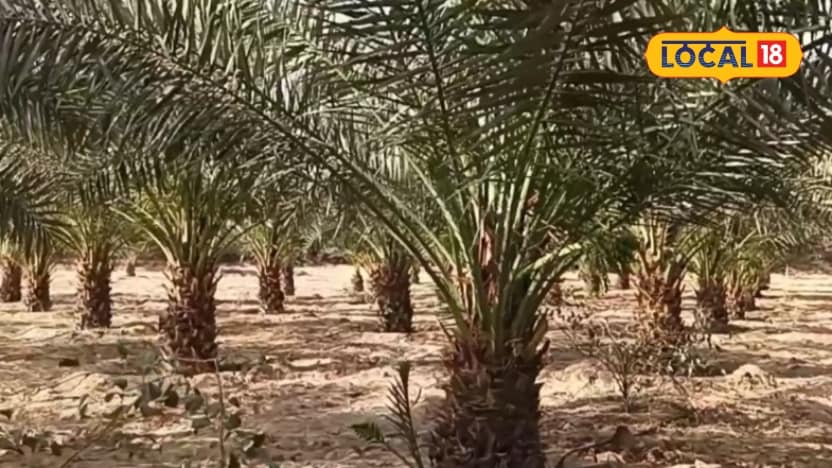
In a significant agricultural shift, farmers in the Jalore region have moved away from traditional farming methods to embrace the cultivation of foreign date palm varieties. This modern agricultural development is particularly prominent in the Bhinmal sub-division, where progressive agriculturists are successfully adapting to new crop patterns despite regional climatic challenges. By diversifying their agricultural practices, these farmers are exploring high-value cash crops that promise better economic returns.
Historically, the region relied heavily on conventional crops with limited financial viability due to erratic weather conditions and scarce water resources. The introduction of international date palm varieties marks a major milestone in local agricultural evolution. Agricultural experts and local farming communities have collaborated to study the feasibility of cultivating exotic plants in native soil, leading to this successful transition.
At the ground level, the cultivation process involves meticulous planning, especially concerning the spatial arrangement of the plants. The foreign varieties currently being grown include Barhi, Khalas, and Mejool, originating from Saudi Arabia and South Africa. Farmers ensure that there is sufficient and adequate space between individual plants during plantation, which directly facilitates optimal exposure to natural sunlight and promotes uninterrupted air circulation across the entire orchard.
Agricultural stakeholders and local farming leaders emphasize that maintaining proper inter-plant distance is not only crucial for the initial vegetative growth phase but also vital for long-term orchard management. As the trees mature and increase in height and volume, this thoughtful spacing allows farm workers to easily manage, inspect, and protect the developing fruit bunches from pests and weather anomalies.
The broader regional impact of this agricultural diversification extends across the local rural economy, setting a positive precedent for surrounding districts. Neighboring farming communities are closely observing the financial viability and operational methodologies implemented in these orchards. The success of Saudi Arabian and South African date varieties in local soil proves that arid and semi-arid regions can successfully host high-value horticulture with proper technical guidance.
Local administrative bodies and agricultural extension departments are monitoring these developments to provide necessary technical support and institutional encouragement to participating farmers. While traditional farming remains a staple, the integration of specialized horticulture demands continuous monitoring, soil health assessments, and adherence to scientific farming protocols to sustain long-term productivity.
Looking forward, the outlook for date palm cultivation in the region remains highly promising as more farmers express interest in transitioning to these resilient fruit-bearing trees. Upcoming procedures include specialized training workshops for orchard management, harvesting techniques, and post-harvest storage solutions to ensure that local producers can effectively compete in broader regional and national agricultural markets.
