
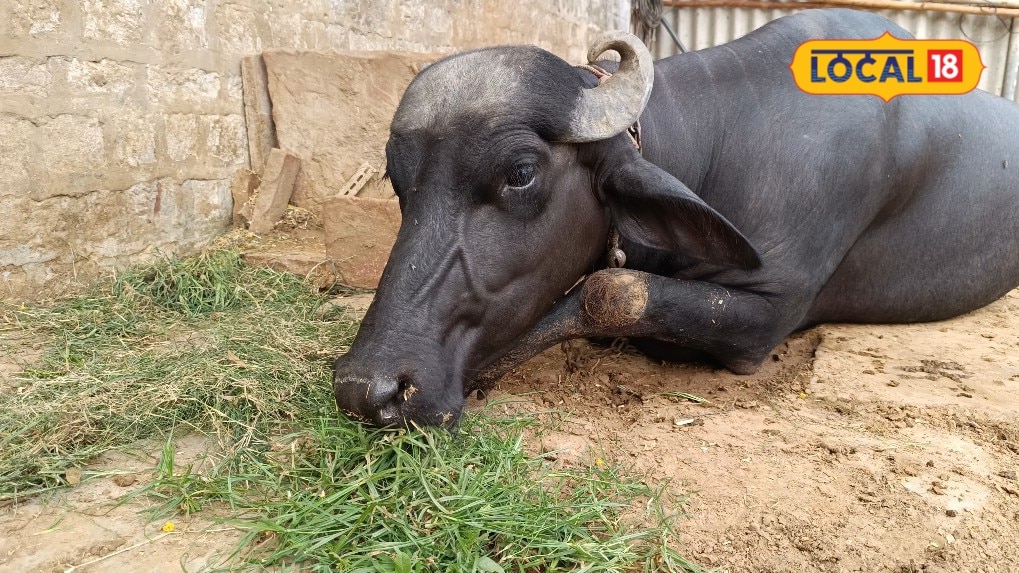
Livestock owners and agricultural producers in Dhaulpur are adopting innovative preservation techniques to completely eradicate fodder scarcity for a duration of up to five months. The newly emphasized method focuses on preparing highly nutritious 'hay' from green forage, ensuring that cattle and other livestock do not suffer from nutritional deficiencies during off-seasons or periods of scarcity.
Historically, the recurring shortage of green fodder has remained a persistent structural challenge for rural communities in the region, severely impacting milk yields and overall animal husbandry productivity. The transition from traditional, wasteful practices to scientifically managed preservation represents a major paradigm shift in regional agricultural management and livestock welfare.
Under the standardized procedure for hay production, specific forage crops are harvested at the precise optimal maturity stage to maximize nutrient retention. The meticulous drying process reduces moisture content effectively while preserving vital proteins and vitamins, establishing a robust framework for long-term feed security across farming households in Dhaulpur.
Local agricultural scientists and experienced farmers emphasize that executing the proper steps during the curing phase prevents fungal growth and nutritional degradation. Stakeholders have noted that implementing these systematic storage protocols translates directly into substantial financial savings, protecting agrarian livelihoods from unpredictable market fluctuations in fodder prices.
The broader regional impact of this green fodder preservation strategy extends across the entire agricultural landscape, bolstering the rural economy and stabilizing the dairy sector. By securing a reliable feed supply for five months, farming families can optimize their herd management without fearing sudden supply contractions or exorbitant procurement costs.
District agricultural authorities and extension services are actively promoting these preservation guidelines through localized awareness campaigns and training sessions. Officials reiterate that empowering farmers with actionable technical knowledge regarding hay making is essential for strengthening sustainable animal husbandry practices throughout the region.
Looking ahead, community leaders and agricultural planners expect widespread adoption of these methods to permanently alleviate seasonal fodder distress. Continued monitoring and technical support from agricultural departments will ensure that local livestock owners successfully maintain high standards of animal nutrition year-round.
