
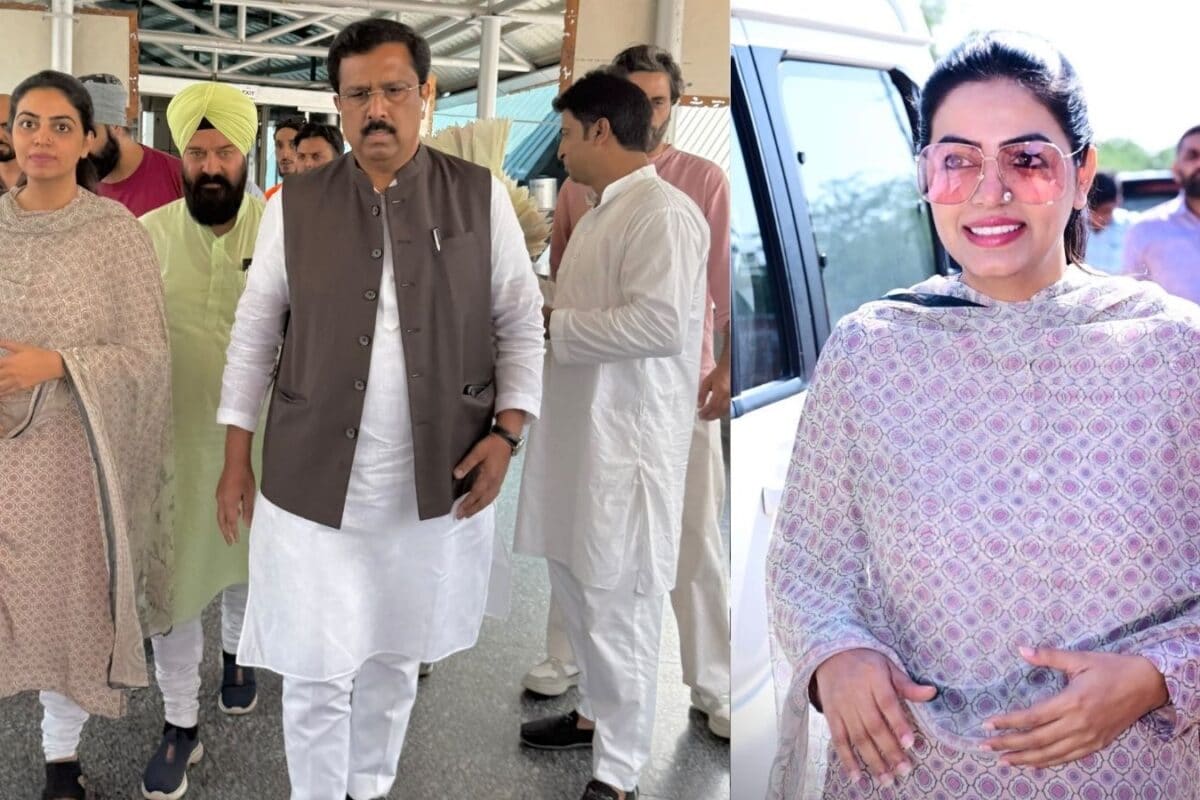
Within twenty-four hours of the declaration of the Rajasthan local body election results, prominent Congress leader and former Member of Legislative Assembly Divya Maderna arrived in New Delhi. Her swift visit to the national capital has triggered intense political speculation across the state, drawing immediate attention from political analysts and party insiders alike. The unexpected journey underscores the gravity of the electoral outcomes and the urgent need for introspective assessments within the party hierarchy.
The backdrop of this visit is deeply rooted in the recently concluded municipal elections across Rajasthan, where the Congress party faced significant challenges against the ruling Bharatiya Janata Party. Historically, local body elections serve as a crucial barometer of public sentiment at the grassroots level, reflecting the shifting political dynamics between major political formations. The results have prompted senior leadership to evaluate operational strategies and address underlying structural weaknesses that have manifested during the electoral contest.
A critical dimension of the ongoing political debate centers on the involvement and mobilization of the younger demographic, frequently referred to as Generation-Z. Observers have noted that traditional ticket distribution mechanisms often sideline emerging young leaders in favor of established veterans, potentially disconnecting political organizations from modern aspirations. The discussions in Delhi are expected to thoroughly examine whether the reluctance to integrate younger candidates significantly impacted the competitive edge of the Congress party in these municipal polls.
During her engagements in New Delhi following high-level organizational meetings, Divya Maderna launched a robust critique against the policies and governance of the Bharatiya Janata Party administration in Rajasthan. While articulating her concerns regarding the electoral performance, she also delivered calculated statements addressing the necessity of broader youth inclusion. Her remarks highlight a growing consensus among progressive factions within the party that systemic modernization is indispensable for future electoral triumphs.
The ramifications of these political developments extend directly to regional administrative zones, including districts like Kotputli-Behror, where local party cadres are closely monitoring the leadership's response. Grassroots workers and local leaders have consistently emphasized the importance of aligning organizational frameworks with the expectations of contemporary voters. The outcomes in municipal bodies heavily influence local governance, civic amenities, and developmental projects impacting the everyday lives of residents in these regions.
Administrative authorities and municipal bodies across Rajasthan continue to manage statutory responsibilities and post-election transitions while political parties recalibrate their strategies. The local administration remains focused on ensuring the seamless functioning of civic services and executing ongoing municipal initiatives without disruption. Meanwhile, political observers maintain that institutional transparency and efficient governance will remain paramount for maintaining public trust at the grassroots level.
Looking forward, the political trajectory in Rajasthan will heavily depend on how effectively the Congress party incorporates the lessons learned from these municipal elections into its future roadmap. Party leaders are anticipated to deliberate on structural reforms, candidate selection criteria, and enhanced youth engagement strategies ahead of upcoming political milestones. Public expectations remain high as citizens and party supporters await concrete policy adjustments and renewed leadership approaches from both major political entities.