
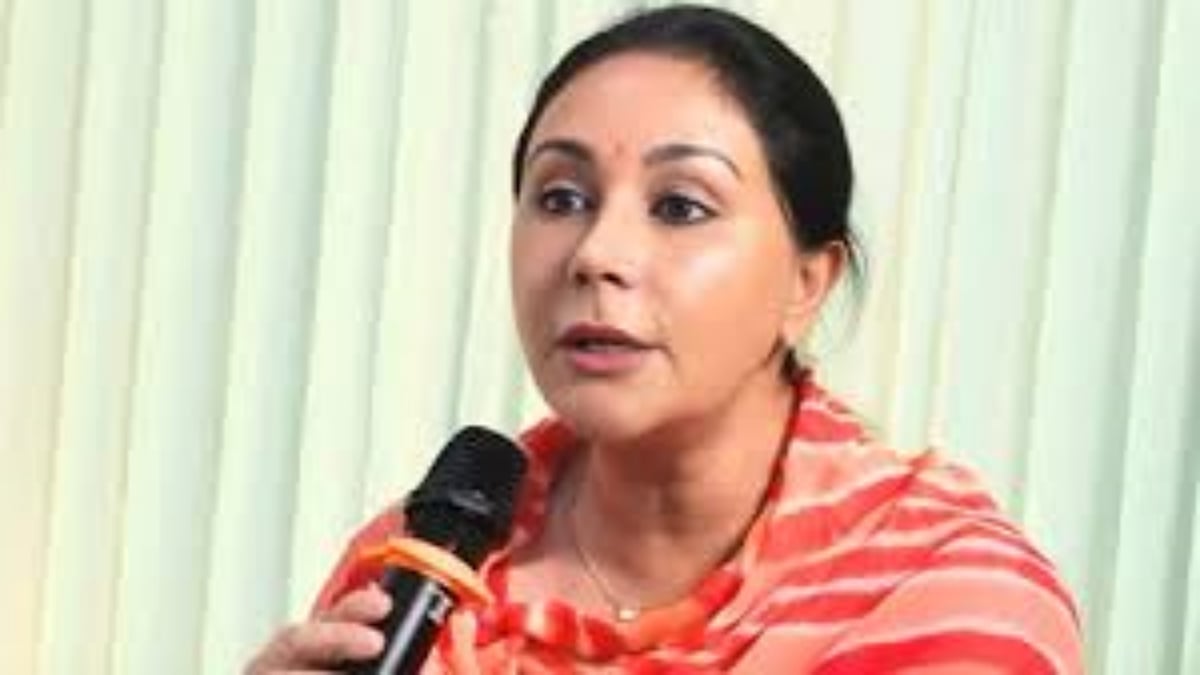
Rajasthan Deputy Chief Minister Diya Kumari launched a scathing political attack on the opposition Congress party and its senior leadership, including Rahul Gandhi, during a significant public address and media interaction in Ajmer. Highlighting the ongoing political dynamics across the state, the Deputy Chief Minister asserted that the opposition has completely lost its connection with the general public and is currently restricted to staging political dramas and issuing hollow statements without any substantial ground support.
The political discourse in Rajasthan has witnessed heightened tensions as major political parties gear up for grassroots-level electoral battles. During her extensive tour of Ajmer, Diya Kumari evaluated the current political landscape and stated categorically that the organizational strength of the Bharatiya Janata Party is at an all-time high, preparing dedicated party cadres to secure absolute dominance in the forthcoming local governance institutions.
Addressing the core expectations of rural and urban communities, the Deputy Chief Minister expressed immense confidence in the upcoming Panchayati Raj elections. She claimed that the Bharatiya Janata Party is fully poised to sweep every single seat, attributing this anticipated electoral triumph to transparent governance, developmental initiatives, and the tireless dedication of party workers operating at the grassroots level.
Shifting focus toward youth empowerment and physical infrastructure, Diya Kumari placed significant emphasis on the comprehensive expansion of sports facilities throughout the region. She noted that nurturing young sporting talent is a paramount priority for the administration, ensuring that aspiring athletes receive adequate encouragement, modern training infrastructure, and platforms to showcase their potential at state and national levels.
Examining the broader regional impact within the administrative framework of Rajasthan, political analysts observe that such high-profile ministerial visits significantly energize local party units. The discourse surrounding local bodies and rural governance directly influences administrative efficiency and public service delivery mechanisms, impacting communities across various districts, including developing industrial and agricultural hubs.
As the political administration continues to review infrastructural progress and sports promotional policies, various local authorities and departmental officials are tasked with implementing announced welfare and developmental measures effectively. Ensuring that sports facilities reach remote corners of the state remains a critical operational objective for the concerned sports and youth affairs departments.
Looking ahead, the political and administrative establishment aims to fast-track grassroots developmental projects while preparing meticulously for the upcoming electoral cycles. Public expectations remain high regarding both political accountability and the tangible execution of sports and infrastructural enhancements promised by the leadership during their ongoing regional tours across Ajmer and the wider state of Rajasthan.
