
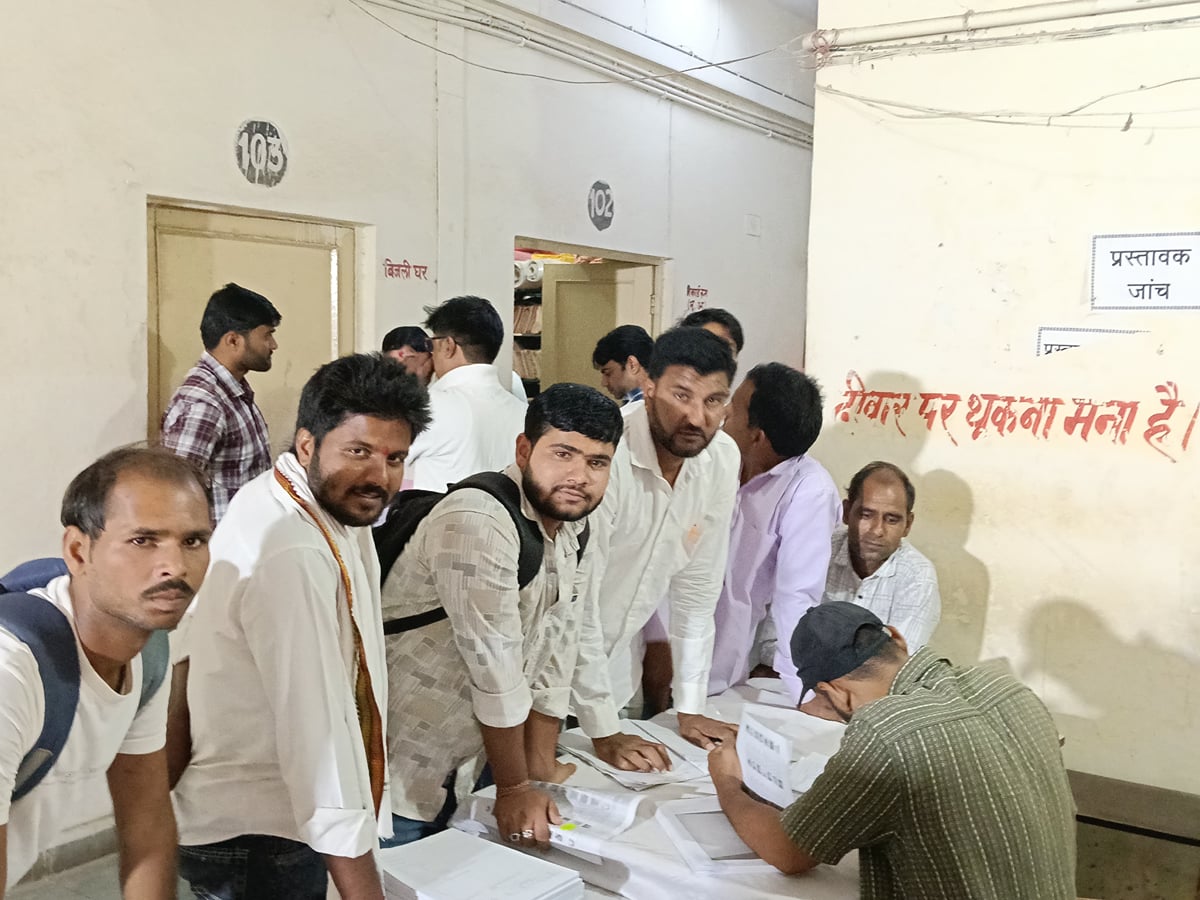
The political atmosphere in Dausa district has intensified significantly as the election process for eight panchayat samitis and their 142 wards reaches a crucial juncture. Local administrative machinery has reported an overwhelming response from political aspirants and independent candidates eager to represent their local communities at the grassroots level. This democratic exercise forms a vital part of the regional governance structure, determining local leadership and development priorities for the coming years.
Historically, elections at the panchayat samiti level in Rajasthan serve as a foundational test of public support for various political parties and local leadership figures. These institutions are responsible for implementing crucial rural development schemes, managing local infrastructure projects, and addressing day-to-day administrative concerns of villagers. Consequently, the competition for seats in these 142 wards has traditionally been fierce, reflecting the deep engagement of rural communities in local self-governance.
According to official figures released by the district election authorities, a total of 639 candidates have formally entered the electoral arena by submitting 737 nomination papers across the 8 panchayat samitis. The disparity in the number of nominations highlights varying levels of political enthusiasm and party mobilization across different sub-regions within Dausa district. Statistical audits reveal notable concentration of candidates in certain high-profile wards, pointing towards intense multi-cornered contests.
A detailed regional analysis of the nomination filing process indicates stark contrasts in political participation levels. Sikrai has emerged as the most politically active zone, registering the highest number of nominations among all participating panchayat samitis. Conversely, Ramgarh Pachwara recorded the lowest number of filings, highlighting unique local political dynamics, potential consensus-building efforts, or varying degrees of organizational outreach by political factions in that specific area.
While Kotputli-Behror and neighboring regions observe these developments with keen interest, the electoral outcomes in Dausa carry broader implications for regional socio-economic policies and local governance trends. The decisions taken by elected representatives in these 142 wards will directly influence resource allocation, agricultural support initiatives, and rural employment programs, impacting the daily lives of thousands of residents across the district.
The district administration has ensured that all necessary statutory oversight and logistical arrangements are firmly in place to maintain absolute transparency and fairness throughout the electoral process. Election officials have meticulously scrutinized the submitted nomination papers to ensure strict compliance with established legal frameworks and election commission guidelines, leaving no room for administrative discrepancies.
Looking ahead, the next crucial milestone in this electoral calendar is October 26, which has been designated for the official withdrawal of candidatures. Once this deadline passes, the final list of contesting candidates will be published, paving the way for intensive campaigning before the actual polling takes place. Public expectations remain high as citizens anticipate transparent governance and dedicated leadership from those who ultimately secure victory in these local bodies.
