
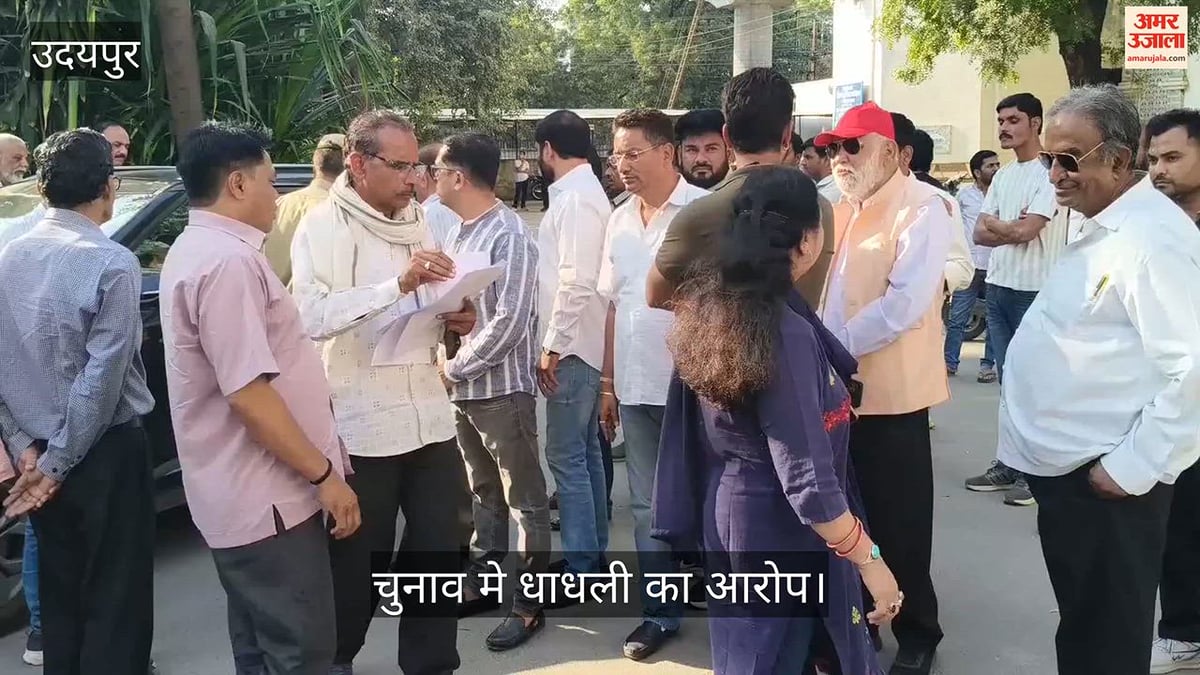
In the administrative jurisdiction of Udaipur, the political atmosphere has intensified significantly following serious allegations raised by the Congress party. According to reports from the region, local representatives of the Congress have formally accused specific government personnel, namely patwaris and constables, of misusing their official positions to intimidate the electorate. This developing controversy touches upon foundational concerns regarding the neutrality of public servants during sensitive electoral periods, creating considerable tension among local residents and political observers alike.
The roots of this controversy extend into the broader socio-political dynamics of the region, where administrative machinery often intersects with competitive electoral politics. Historically, allegations concerning the partisan behavior of grassroots government functionaries have periodically surfaced during critical political cycles. In Udaipur, the involvement of local revenue and police officials, specifically patwaris and constables, in matters related to voter persuasion has historically been a sensitive issue, closely monitored by election observers and rival political formations.
According to the specifics brought to light by the complainants, the alleged intimidation goes beyond mere persuasion and involves explicit pressure directed at citizens. Furthermore, the grievances lodged by the political representatives highlight instances where derogatory remarks were allegedly directed against a candidate contesting the election. While specific statistical figures regarding the exact number of affected individuals remain unverified, the scope of the alleged incidents has prompted urgent calls for a thorough, transparent inquiry by independent election watchdogs.
Reactions from various stakeholders within the community reflect deep polarization and heightened anxiety concerning free and fair participation. Local citizens, community leaders, and political workers have expressed apprehension that such alleged practices undermine the democratic process. While representatives of the Bharatiya Janata Party have strongly refuted these accusations as politically motivated tactics, Congress leaders maintain that immediate administrative intervention is essential to restore public trust in the institutional framework governing the elections.
The repercussions of these developments extend beyond the immediate municipal boundaries of Udaipur, resonating throughout the wider Kotputli-Behror district and neighboring administrative zones. The local economy, community cohesion, and public sentiment are all influenced by the perceived fairness of local governance. When allegations of coercion involve uniformed personnel and revenue officials, the ripple effects can disrupt community stability and alter voter turnout dynamics across the entire regional belt.
In response to these escalating tensions, public pressure has mounted on district authorities and senior administrative officials to initiate formal administrative measures. Statutory oversight mechanisms, including district election offices and vigilance committees, are expected to review the complaints lodged by the political parties. Ensuring strict adherence to service conduct rules and model code provisions remains paramount for maintaining law and order, as well as preserving the credibility of local governance structures.
As the timeline for the ongoing political proceedings advances toward critical milestones, public expectations remain centered on the enforcement of accountability and transparent oversight. Community members and political entities alike await formal findings from the administration regarding the conduct of the implicated patwaris and constables. The ultimate resolution of this dispute will likely serve as a crucial benchmark for administrative conduct and electoral integrity in the region.
