
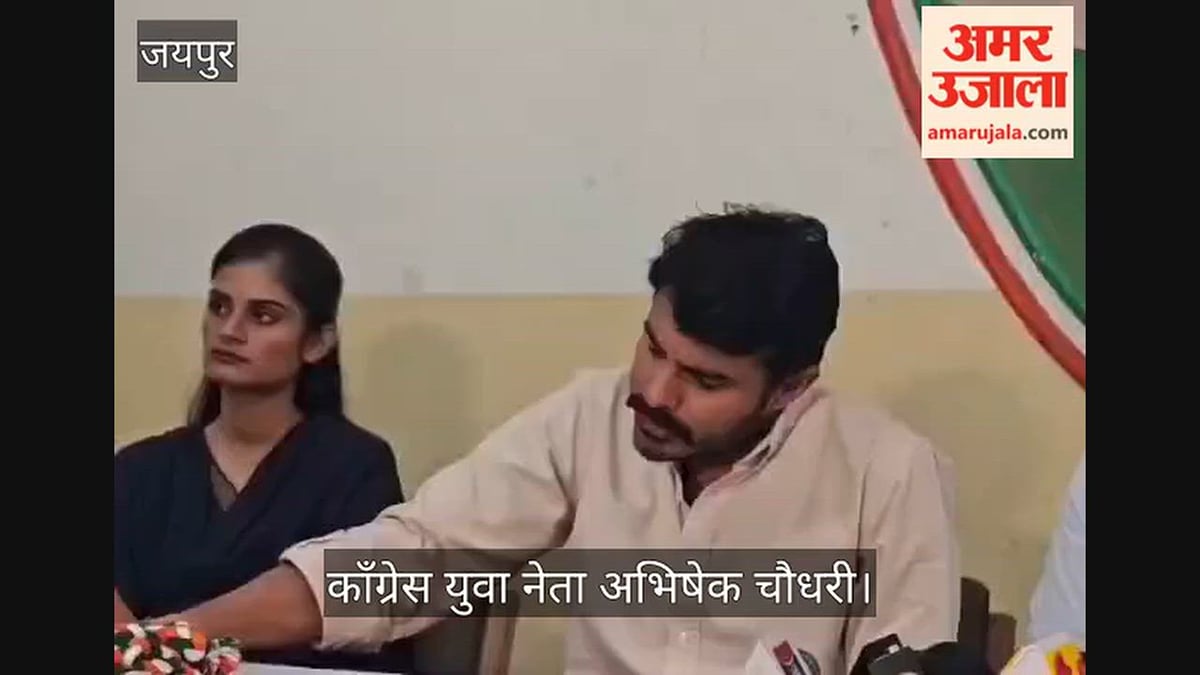
In a significant political development unfolding at the Pradesh Congress Committee headquarters in Jaipur, youth congress leaders convened for a high-profile dialogue and get-together program. The gathering swiftly transitioned into a platform for fierce political rhetoric as prominent leaders gathered to deliberate upon pressing state and national matters. The core agenda focused heavily on ideological confrontations between the ruling establishment and the principal opposition.
The genesis of the ongoing controversy stems from recent remarks made by Bharatiya Janata Party state president Madan Rathore concerning Pakistan. These statements triggered widespread reactions across political spectrums, drawing sharp criticisms from opposition benches who accused the ruling party leadership of making irresponsible assertions. Historical precedents and diplomatic sensitivities often surrounding such cross-border references intensified the gravity of the political fallout.
Amidst the escalating war of words, specific details regarding the political implications and strategic posturing of both parties have come to the forefront. While official statistics and logistical data from administrative bodies remain focused on governance, political stakeholders have heavily engaged in public posturing. The ongoing dispute underscores the intense environment prevailing within the state political arena as parties prepare for future electoral challenges.
Taking center stage during the Jaipur convention, Congress leader Abhishek Chaudhary launched a direct and aggressive assault on Madan Rathore. Addressing party workers and supporters gathered at the headquarters, Chaudhary categorically condemned the statements made by the BJP state president. He asserted that such rhetoric undermines national integrity and demanded that Madan Rathore either offer an unconditional public apology or tender his immediate resignation from the esteemed organizational post.
The reverberations of this intense political confrontation extend well beyond the capital city, deeply impacting regional centers including the Kotputli-Behror district. Local political workers, party cadres, and ordinary citizens are closely monitoring the unfolding narrative as it directly influences local socio-political dynamics and community discussions. The economic and developmental focus in districts like Kotputli often gets sidelined when high-voltage ideological controversies dominate the mainstream public discourse.
As pressure mounts from the opposition camp, administrative watchdogs and institutional observers continue to monitor the standard conduct of political entities. While the executive authorities maintain a neutral stance amidst the partisan political crossfire, statutory guidelines regarding public speech and political accountability remain under strict scrutiny. Civil society groups have expressed concerns regarding the increasing polarization arising from continuous political sparring.
Looking ahead, the political trajectory in Rajasthan points toward heightened friction between the Indian National Congress and the Bharatiya Janata Party. Upcoming legislative procedures, public rallies, and organizational campaigns are expected to feature renewed verbal attacks centered around this controversy. Public expectations remain focused on whether the leadership will address substantive developmental issues or continue engaging in ideological debates.
