
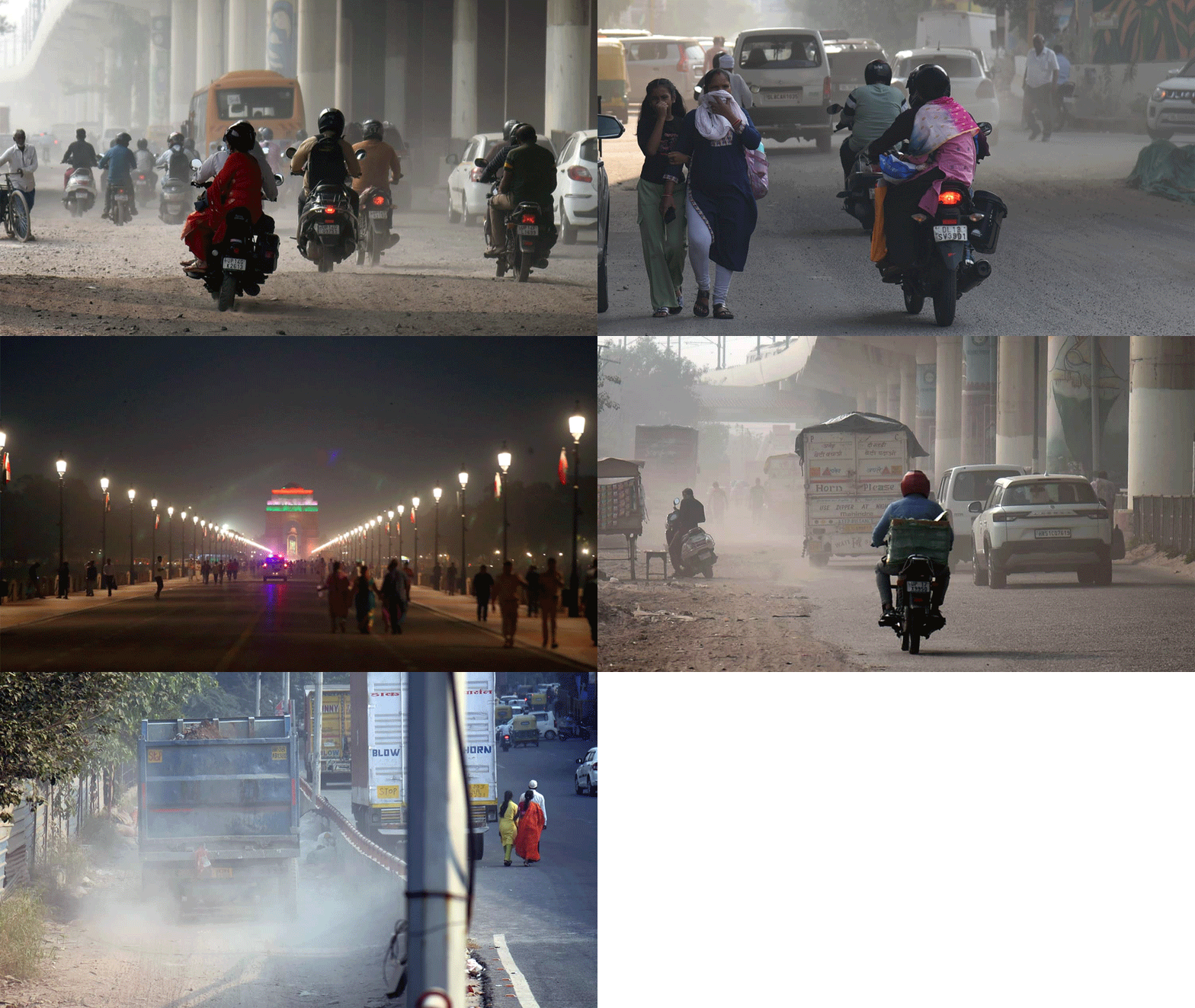
Travelers and commuters from Rajasthan planning journeys to the national capital are advised to take note of significant upcoming vehicular regulations. Authorities in Delhi have officially announced a comprehensive entry restriction targeting vehicles registered outside the national capital territory. This measure specifically targets older commercial and private transport options operating below advanced environmental compliance benchmarks.
The administrative rationale behind this regulatory step is rooted in the recurring environmental crisis that grips the National Capital Region every winter. Historically, winter months bring an alarming surge in particulate matter and hazardous smog levels, largely driven by vehicular emissions, meteorological conditions, and regional stubble burning. Consequently, policymakers have continuously sought stringent regulatory mechanisms to curb escalating pollution indices during these vulnerable months.
Focusing on the operational parameters of this directive, the restriction will remain enforced for a designated three-month window, starting from November 1, 2026, and extending through January 31, 2027. The mandate explicitly bars vehicles carrying emission standards below BS-VI that are registered outside Delhi. This means owners of older vehicle models must carefully evaluate their travel schedules and transport options before embarking on interstate journeys toward the capital.
Reactions among daily commuters, transport operators, and trade associations in border areas reflect growing concern regarding logistical adjustments. Many commercial vehicle operators express apprehension over the financial implications of upgrading fleets to meet the stringent BS-VI compliance benchmarks within the stipulated timeframe. Meanwhile, environmental advocates and public health organizations strongly endorse the measure, emphasizing that drastic interventions are indispensable to protect citizens from toxic winter air.
For the residents and business communities within Rajasthan, particularly in transit-heavy districts and commercial corridors connecting to Delhi, the implications of this notification are profound. Daily movement of goods, passenger buses, and private cars will experience operational bottlenecks unless fleet modernization is accelerated. Transporters operating older diesel and petrol variants face difficult choices regarding route diversions, vehicle upgrades, or halting capital-bound trips altogether during the prohibition period.
Administrative machinery on both sides of the interstate border is expected to ramp up information campaigns to ensure travelers are adequately informed well before the deadline. Transport departments and traffic enforcement agencies will likely set up specialized monitoring checkpoints at major entry points to intercept non-compliant vehicles. Authorities intend to couple this regulatory enforcement with strict punitive actions against violators to ensure maximum compliance with the anti-pollution mandate.
Looking toward the future, this policy underscores a decisive shift toward greener transportation standards across northern India. As the implementation date of November 1, 2026, approaches, vehicle owners, fleet operators, and transport unions must urgently transition their assets to comply with BS-VI norms. Public expectations remain focused on whether such seasonal interventions will successfully deliver tangible improvements in regional air quality while minimizing economic disruption for interstate commuters.
