
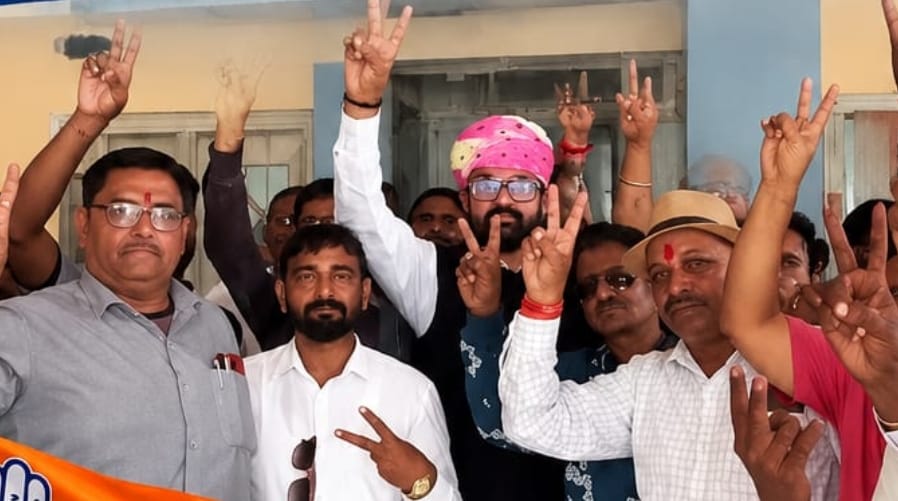
In a decisive political development on 21 September, the Indian National Congress secured a clear majority in the Paratapur‑Garhi municipal board of Rajasthan, winning twelve of the twenty‑five seats and receiving the backing of two independent councillors, thereby raising its support to fourteen members. The board, which is responsible for local civic administration, will now see a shift in leadership as the election of a new chairman is scheduled for the same day.
The municipal arena in Rajasthan has traditionally been a battleground between the two major national parties, with the Bharatiya Janata Party (BJP) often holding sway over smaller towns and semi‑urban centres. Paratapur‑Garhi, a modest municipality within the Kotputli‑Behror district, has experienced similar partisan contests over the past decade, with the BJP having overseen the board for several consecutive terms. The recent election results, therefore, mark a notable reversal of fortunes, reflecting both local discontent with the incumbent administration and a broader resurgence of Congress at the grassroots level.
The numbers speak plainly: out of the twenty‑five elected seats, Congress captured twelve, while two independents, previously unaffiliated, pledged their support to the party. This coalition brings the total to fourteen, surpassing the simple majority threshold of thirteen. The remaining eleven seats are held by BJP candidates, leaving the opposition in a minority position. The municipal board’s budget, which runs into several crores of rupees annually, is allocated for essential services such as water supply, street lighting, waste management, and local road maintenance. Control of this purse‑string therefore carries significant implications for the delivery of public utilities and the prioritisation of development projects.
Local stakeholders have expressed a mixture of optimism and caution. Senior Congress activists in the area have hailed the outcome as a vindication of their grassroots campaigning, emphasizing promises of improved sanitation and transparent budgeting. Small‑scale traders, who have long complained about irregular water supply, anticipate that the new majority will address these operational bottlenecks. Conversely, representatives of the BJP caution that a sudden change in leadership could disrupt ongoing projects, urging the incoming board to honour existing contracts and avoid administrative paralysis.
The ripple effect of this political shift extends beyond the municipal boundaries. Kotputli‑Behror district, which encompasses a blend of agricultural lands and emerging industrial zones, relies heavily on municipal bodies for infrastructural support. A Congress‑led board is expected to align its development agenda with the district’s broader economic plans, potentially accelerating road upgrades that facilitate market access for farmers and improve logistics for small manufacturers. Moreover, the change may influence voter sentiment in upcoming state‑level elections, as local performance often serves as a barometer for party credibility.
Administrative officials have already begun preparations for the imminent chairman election, scheduled for later on 21 September. The state’s municipal affairs department has issued a directive to ensure that the voting process adheres to statutory timelines and that any disputes are resolved through the prescribed legal mechanisms. Observers from the Rajasthan State Election Commission will be present to monitor the proceedings, underscoring the importance of procedural integrity in this transition.
Looking ahead, the newly empowered Congress bloc faces the immediate task of forming a cohesive leadership team and outlining a policy roadmap before the chairman is installed. Analysts predict that the board’s first agenda will centre on a review of pending infrastructure contracts and the formulation of a transparent financial audit. Public expectations are high, with residents hoping that the change in political stewardship will translate into tangible improvements in daily services. The coming weeks will therefore be critical in determining whether the promised shift in governance translates into measurable outcomes for Paratapur‑Garhi’s citizens.