
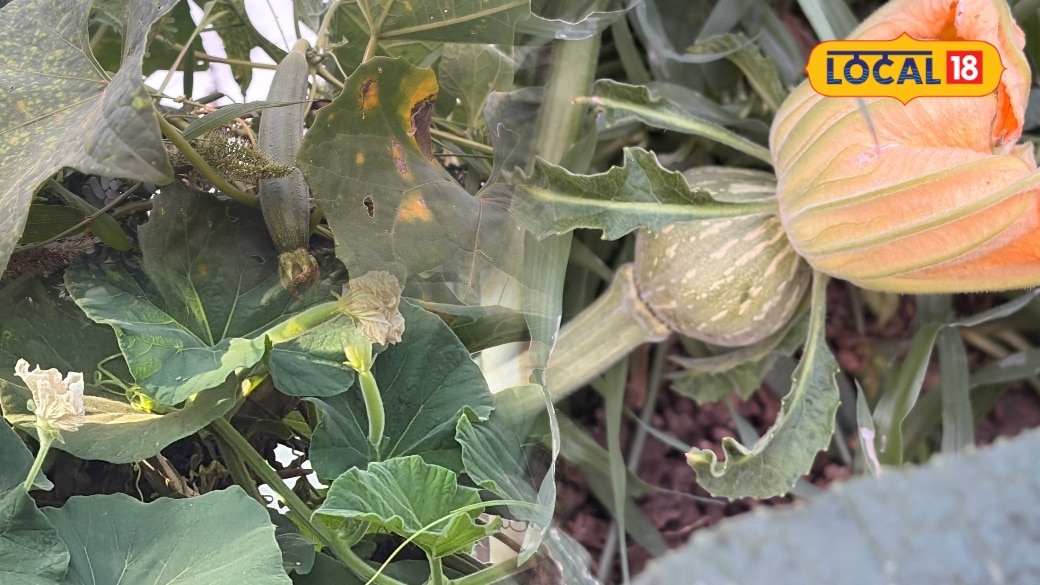
Growing climbing vegetables ranging from residential rooftops to expansive agricultural fields has emerged as an increasingly vital agricultural practice for ensuring domestic food security and promoting sustainable urban and rural farming. Cultivating varieties such as bottle gourd, pumpkin, sponge gourd, bitter gourd, and various beans provides an exceptional alternative for optimizing limited cultivation areas while yielding substantial harvests. This comprehensive production approach emphasizes maximizing spatial efficiency through vertical gardening techniques, allowing families and growers to harness unused spaces effectively across both urban dwellings and rural farming plots.
The historical context of cultivating vining vegetable crops traces back through traditional agricultural heritage, where backyard farming and courtyard gardening formed the cornerstone of self-sufficient household nourishment. Over generations, farming communities and urban households alike have recognized that climbing vegetables possess unique biological adaptations that enable them to maximize vertical space rather than competing horizontally for limited ground surface area. This foundational botanical characteristic makes plants like gourds and beans exceptionally well-suited for high-density planting environments, transforming barren rooftops and compact courtyards into highly productive green zones.
Examining the ground reality and fundamental agricultural requirements reveals that achieving optimal growth for these climbing crops demands meticulous attention to soil composition and nutrient management. These specialized vegetables require soil that possesses excellent drainage capabilities combined with high natural fertility, significantly enhanced through the incorporation of well-decomposed organic cow dung manure. Ensuring the correct physical structure of the growing medium prevents root rot caused by water stagnation while delivering a steady, balanced supply of essential macro and micronutrients necessary to support vigorous vine elongation and heavy fruit development throughout the growing season.
Agricultural experts, experienced horticulturists, and home gardening enthusiasts emphasize that technical precision during the initial planting phase directly dictates the ultimate success and productivity of the harvest. Growers must meticulously calculate appropriate spatial distribution during seed sowing, ensuring that individual seeds maintain adequate separation to prevent severe root competition and nutrient depletion. Furthermore, providing sturdy physical infrastructure such as wooden stakes, bamboo frameworks, or durable trellises is absolutely vital to support the heavy weight of the developing vines and hanging vegetables as they expand outward and upward.
The regional agricultural impact of adopting these structured home gardening and field cultivation practices extends significantly across local communities, fostering heightened awareness regarding self-reliance in fresh produce production. By utilizing available spaces within courtyards, terraces, and agricultural margins, residents can mitigate their reliance on commercial supply chains for daily nutritional needs. This localized approach not only champions environmental sustainability through organic cultivation methods utilizing cow dung manure but also empowers local populations to engage actively in productive horticultural practices regardless of spatial constraints.
From an administrative and educational standpoint, agricultural extension departments and local gardening societies continuously advocate for systematic oversight and structured training workshops to educate citizens on scientific sowing and crop maintenance techniques. Official agricultural advisory frameworks stress the importance of regular monitoring, pest management, and water conservation strategies to ensure that both small-scale rooftop gardeners and field farmers maximize their yields. Through structured guidance on soil preparation, trellising, and organic fertilization, governmental and community bodies aim to institutionalize best practices in domestic horticulture.
Looking forward, the outlook for home-based and small-field climbing vegetable cultivation remains exceptionally promising, with rising public interest paving the way for greener, more self-sustaining residential landscapes. As urban populations expand and agricultural land experiences increasing pressure, the adoption of vertical farming techniques for gourds, bitter gourd, and beans will continue to gain momentum. Through consistent irrigation, dedicated crop care, and adherence to recommended horticultural timelines, households and farmers alike can look forward to continuous, sustainable harvests of fresh, home-grown vegetables well into the future.
