
The political landscape of Rajasthan witnessed significant developments with the announcement of the 2026 urban local body election results, where the Bharatiya Janata Party demonstrated robust performance across several key areas. The elections, which captured intense public interest, revealed a mixed mandate across the state, with major urban centers experiencing fierce electoral battles between the ruling political factions and independent contenders.
Historically, the Tonk region has remained a crucial political battleground in Rajasthan, reflecting shifting voter sentiments and local leadership dynamics. The recent electoral contest was viewed as a major test of administrative influence and grassroots mobilization for prominent political figures operating within the region, setting the stage for a high-stakes political showdown.
A granular analysis of the voting statistics underscores the sweeping dominance of the Bharatiya Janata Party in the Malpura-Todaraisingh belt. In Todaraisingh, the BJP registered a landslide victory by clinching 28 out of the total 35 wards. Similarly, in Malpura, the party secured 22 seats out of 40, while in Diggi, out of 25 contested seats, 14 went to the BJP's tally. Furthermore, in Lamba Harisingh, the party captured 11 out of 20 seats, establishing an overwhelming supremacy across these municipal boards.
Despite the saffron wave in surrounding towns, the Tonk Municipal Council presented a contrasting narrative where the Congress party emerged victorious by securing 32 seats out of the total 59 contested wards. Political analysts and local observers closely monitored these varying outcomes, noting the distinct local factors and voter preferences that shaped the municipal dynamics in different pockets of the district.
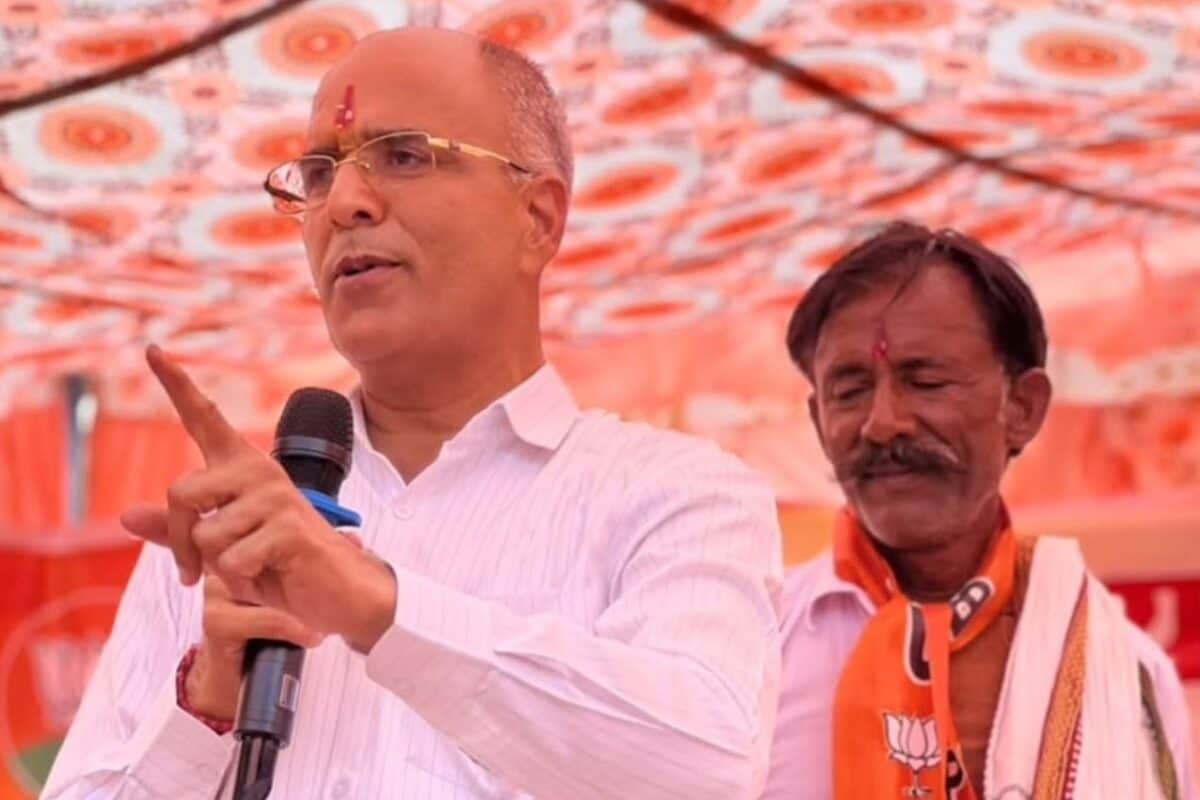
Political pundits and party insiders have widely attributed the BJP's stellar performance in the region to the strategic acumen and meticulous planning executed by Cabinet Minister Kanhaiya Lal Choudhary. His grassroots outreach, alliance management, and constituency planning were instrumental in neutralizing opposition challenges and consolidating voter support in crucial municipal wards.
Beyond the Tonk district, the election results across Rajasthan exhibited a diverse political spectrum. Urban centers such as Udaipur and Kota remained stronghold areas for the Bharatiya Janata Party, whereas Bikaner witnessed the Congress party gaining substantial ground. Meanwhile, districts like Bharatpur and Ajmer saw independent candidates emerging as decisive kingmakers, reflecting the fragmented yet influential role of non-aligned representatives.
As the administrative machinery prepares for the formal constitution of the newly elected municipal boards and the subsequent election of chairpersons, public expectations remain high regarding civic development and urban governance. The forthcoming municipal sessions will test the execution capabilities of the newly elected representatives as they address local infrastructure, sanitation, and developmental challenges across the respective urban bodies.