
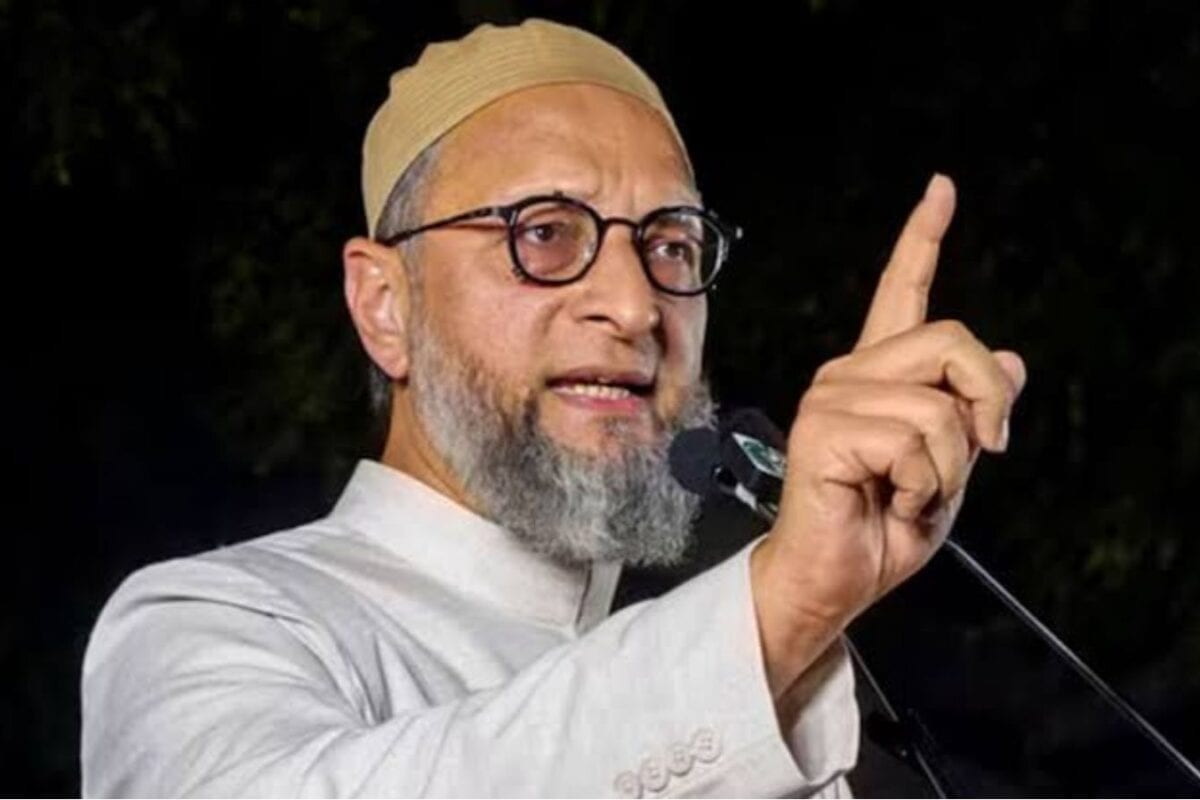
In a surprising turn of events within the Rajasthan municipal elections, the All India Majlis-e-Ittehad-ul-Muslims has successfully marked its political presence by securing a remarkable forty percent strike rate. The party contested a total of five seats across the state and achieved decisive victories in two of them. This unexpected electoral breakthrough has drawn considerable attention from major regional and national political forces, specifically the Bharatiya Janata Party and the Indian National Congress.
The historical backdrop of this election features intense political campaigning in urban pockets where alternative political choices were actively sought by local electorates. Prior to the polling, high-profile rallies and public meetings were organized in ward number 146, featuring prominent political figures such as Asaduddin Owaisi and Hanuman Beniwal. These gatherings successfully mobilized voters around emerging caste and community equations, particularly focusing on the Jat-Muslim demographic dynamics.
Delving into the ground details and specific statistics of the election, the party focused its strategic resources on select municipal wards. In the Jaipur Municipal Corporation, candidate Firoza Bano created history by opening the party account from ward number 146 situated in Bhatta Basti. She secured a resounding victory by defeating rival candidates with a massive margin of one thousand nine hundred and seventy-five votes, reflecting strong grassroots support.
Stakeholder perspectives and local political analysts indicate that this urban electoral outcome represents a significant shift in voter behavior. Community members, local traders, and civic participants noted that the emergence of a third political alternative has invigorated local political discourse. The ability of the party to translate campaign rallies into actual ballot box victories has reshaped local power equations in the municipal wards.
The regional impact of this municipal election result extends beyond the immediate boundaries of Jaipur and Jhunjhunu, influencing political calculations across the Kotputli-Behror district and neighboring administrative zones. Political observers are closely monitoring how this growing urban footprint will affect future municipal governance, local economic development priorities, and community representation within urban local bodies.
Administrative responses and statutory oversight during the election process remained robust, ensuring that the polling and counting phases concluded in an orderly manner under the supervision of election officials. Local municipal authorities maintained strict adherence to the model code of conduct, facilitating a peaceful electoral contest that allowed residents to exercise their democratic franchise without disruption.
Looking forward, the successful candidates and party leadership face high public expectations regarding civic development and representation in the municipal councils. The upcoming administrative procedures will involve the formal swearing-in of the newly elected councillors and their participation in municipal board meetings, setting the stage for future urban policy discussions and local governance reforms.