
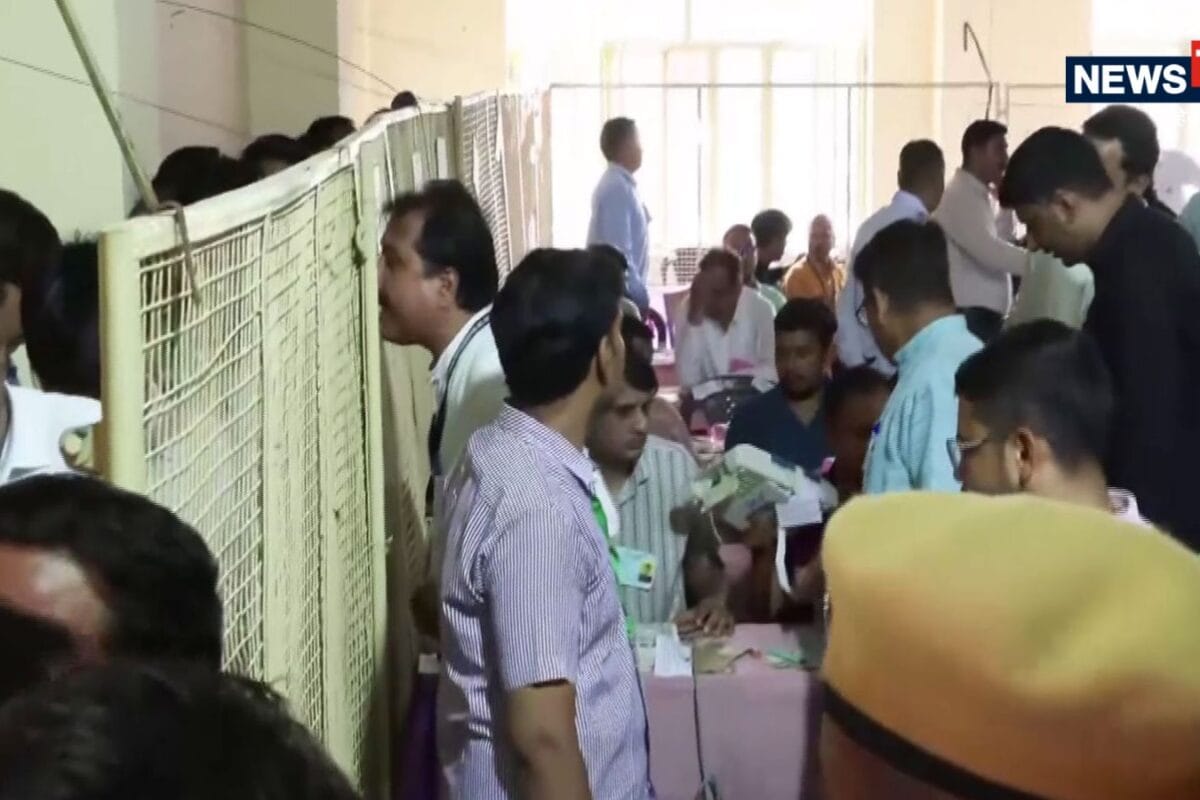
The municipal electoral battle in Alwar has officially concluded, bringing absolute clarity to the political chessboard as election results for all wards were announced. The comprehensive conclusion of this high-stakes electoral contest has drawn intense public scrutiny and political analysis throughout the region. Observers, political analysts, and citizens alike have been closely monitoring the unfolding political dynamics as the final tallies solidified across the municipal landscape.
Historically, local urban body elections in Rajasthan serve as a vital barometer for grassroots political sentiment and community alignment. The urban governance framework in Alwar has consistently witnessed intense competition among various political factions and independent candidates. Over the years, municipal elections have evolved into fiercely contested battles where familial ties, community influence, and local developmental promises heavily dictate electoral outcomes and voter participation rates.
The current electoral contest specifically encompassed a total of 65 wards within the municipal jurisdiction of Alwar, setting a rigorous stage for candidates and political parties. The numerical breakdown of these wards dictated a sprawling campaign trail characterized by intensive door-to-door outreach, strategic alliances, and rigorous logistical mobilization. Every single one of the 65 wards became a focal point of intense political competition, culminating in the decisive mandate delivered by the local electorate.
As the final results were tabulated and publicly declared, discussions and debates intensified among local residents, political stakeholders, and community leaders regarding the unexpected outcomes. The electoral contest produced several remarkable highlights that immediately captured public attention, most notably the contrasting fortunes of various family members contesting the elections. While certain prominent couples faced unexpected and decisive defeats at the ballot box, other relative pairs managed to secure notable victories, creating a fascinating narrative of familial political dynamics.
Beyond the immediate municipal boundaries of Alwar, the ripples of these election results extend toward neighboring administrative regions such as Kotputli-Behror. Local communities, traders, and regional stakeholders closely analyze these municipal outcomes to gauge broader administrative trends and future urban governance trajectories. The interconnection of regional commerce, municipal policy formulation, and local development makes these urban body results highly significant for the entire administrative zone.
Following the conclusion of the polling and the subsequent declaration of results, local administrative authorities and election oversight committees have ensured a smooth transition of data and electoral records. Statutory protocols regarding the publication of official results, maintenance of public order, and preparation for subsequent municipal proceedings have been meticulously executed. District officials have overseen the post-election environment to maintain transparency, compliance, and adherence to established electoral regulations.
Looking ahead, the newly elected representatives across the wards of Alwar are expected to transition toward formal council responsibilities, governance planning, and administrative oath-taking procedures. Citizens and community groups eagerly anticipate the formal establishment of municipal bodies to address pressing local infrastructure, sanitation, and urban development needs. The forthcoming months will test the leadership capabilities and policy execution of the newly triumphant candidates as they assume their respective public offices.