
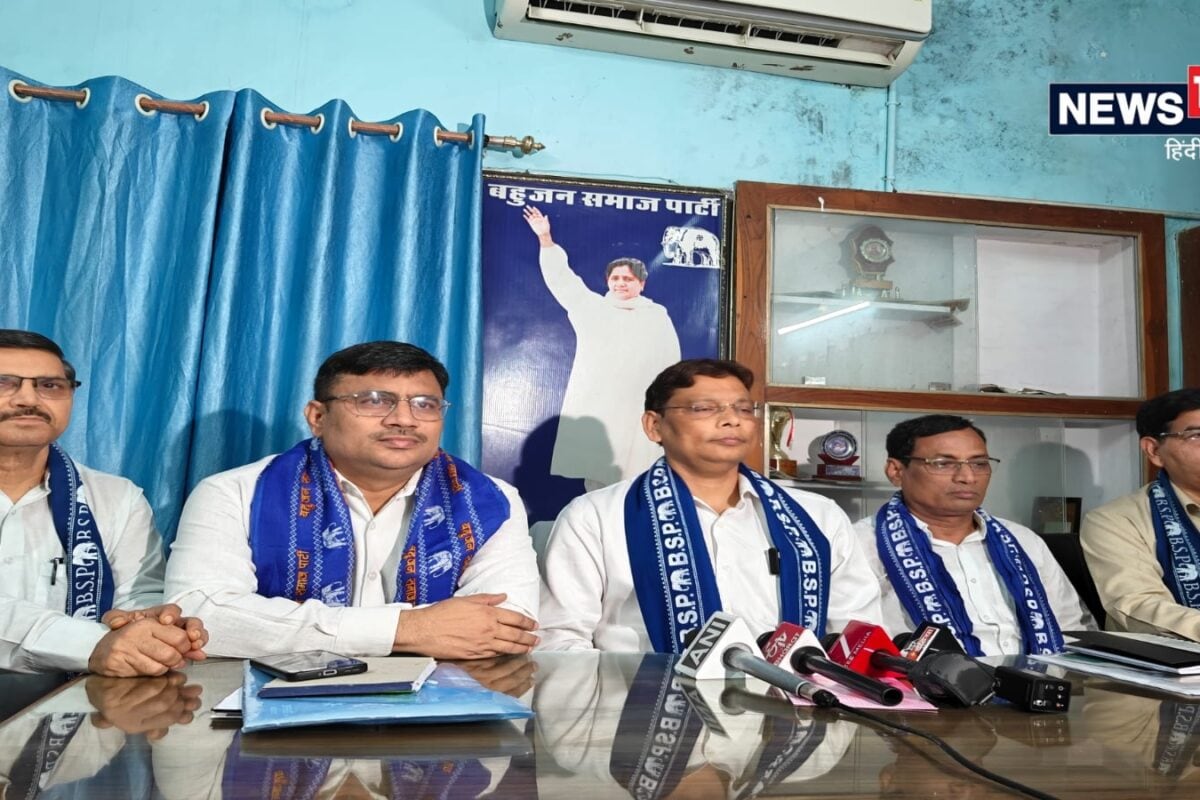
The political landscape of Rajasthan is witnessing heightened activity as the Bahujan Samaj Party has formally declared that it will contest the upcoming 2026 panchayat elections entirely on its own. Rebuffing any possibilities of pre-poll alliances or coalitions with other political formations, the party leadership has confirmed that candidates will be fielded across all available seats throughout the state. This strategic decision marks a significant turn in regional electoral politics, setting the stage for a fiercely contested grassroots electoral battle.
Providing comprehensive context to this political maneuver, party insiders and leadership point towards historical tensions and fractured legislative alliances in the state. The decision to go solo is perceived not merely as an organizational strategy to expand the grassroots footprint, but also as a direct response to past political experiences and shifting loyalties within the regional legislative arena. The Bahujan Samaj Party aims to consolidate its core voter base by presenting an independent alternative to the rural electorate across various districts of Rajasthan.
Adding substantial weight to the electoral announcement, the State Election Commission has finalized the comprehensive logistical framework for the panchayat polls. According to the official notification, the crucial grassroots elections across Rajasthan are scheduled to be conducted meticulously in four distinct phases. Administrative machinery is currently gearing up to handle the enormous logistical demands, security arrangements, and procedural formalities required to ensure free, fair, and orderly polling across all participating rural constituencies.
A major focal point of the recent political discourse emerged when Rajya Sabha MP Ramji Gautam launched a blistering verbal attack against former Chief Minister Ashok Gehlot. Addressing party workers and media personnel, Gautam leveled serious allegations regarding past political betrayals. He explicitly stated that Gehlot orchestrated the merger of BSP legislators into the Congress party, thereby betraying the trust of the organization and stabbing the party in the back on two separate occasions.
The sharp criticism by the senior parliamentarian has intensified the political rivalry between the Congress and the Bahujan Samaj Party within Rajasthan. Local political analysts observe that such aggressive rhetoric could deeply polarize the rural electorate and influence voting behavior significantly. As candidates prepare their ground campaigns, the historical grievances highlighted by the party leadership are likely to remain central to political debates in villages and semi-urban centers.
Administrative authorities and district election cells are currently reviewing security protocols and infrastructural readiness to accommodate the rigorous four-phase election schedule. Officials have been directed to ensure strict adherence to the model code of conduct, manage sensitive polling booths effectively, and provide adequate deployment of security forces. Transparency and neutral oversight remain paramount priorities for the commission as the campaign momentum accelerates.
Looking forward, the upcoming rural elections represent a critical test of strength for all major political players in Rajasthan. With the Bahujan Samaj Party determined to contest every single seat independently, local communities and rural voters are bracing themselves for an intense political contest. The coming weeks will witness heightened campaign trails, public rallies, and strategic maneuvers as political parties strive to secure dominance over the local governance bodies.
