
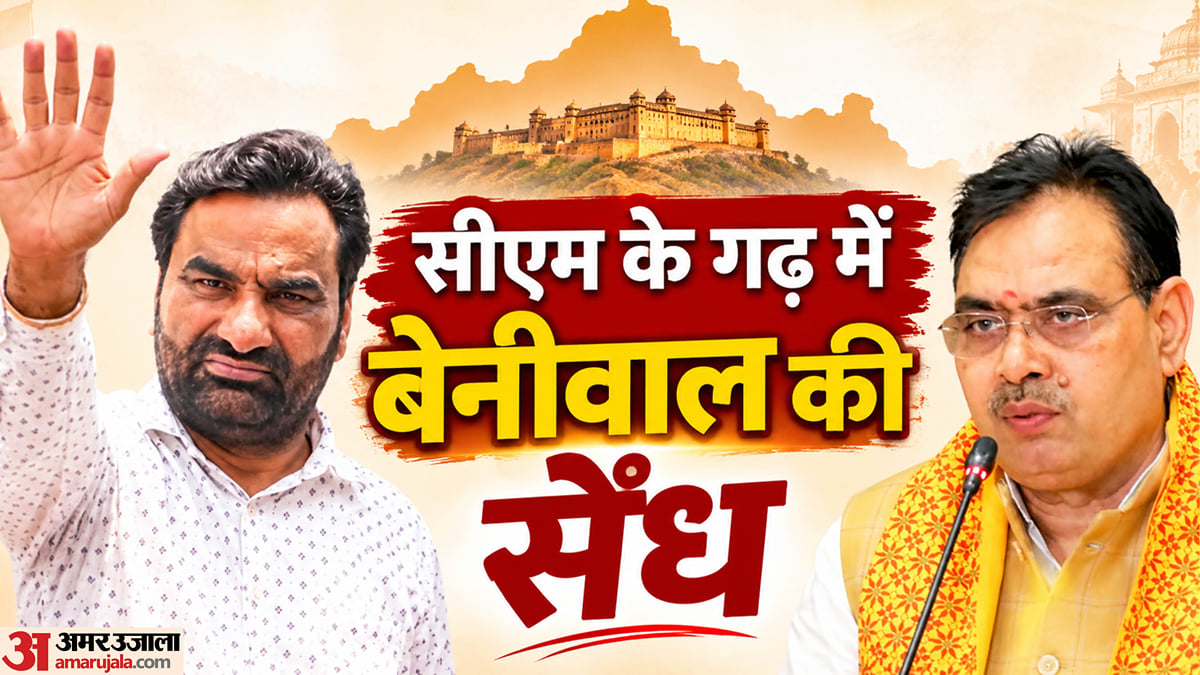
The political landscape of Jaipur witnessed a dramatic shift following the announcement of the recent panchayat election results, delivering a severe blow to the ruling Bharatiya Janata Party (BJP). The electoral outcomes have highlighted unexpected vulnerabilities for the ruling party, particularly in high-profile constituencies where top leaders wield substantial influence. Political analysts are closely monitoring these developments as they signal changing political dynamics at the grassroots level across the district.
Historically, panchayat elections serve as a crucial barometer of rural sentiment and local leadership effectiveness in Rajasthan. The origins of this political contest trace back to intense campaigning cycles where local issues, rural development demands, and agrarian concerns dominated public discourse. Both major and regional political parties invested significant organizational capital into securing victories at the grassroots level, recognizing that these local bodies form the bedrock of broader political authority.
An in-depth examination of the ground reality reveals surprising electoral shifts within key jurisdictions. Most notably, the Rashtriya Loktantrik Party (RLP) managed to capture a decisive majority within the assembly constituency of the Chief Minister, challenging the established dominance of the ruling administration. Simultaneously, in the Jhotwara region—represented by Minister Rajyavardhan Singh Rathore—the opposition Congress party successfully secured a clear majority, dealing another tactical blow to the ruling dispensation.
Stakeholder perspectives across the region reflect a mix of jubilation among opposition supporters and serious introspection within the BJP camp. Local political workers have noted that voter sentiment at the village level frequently diverges from state-level legislative trends. Citizens and local traders have expressed expectations that elected representatives must now set aside partisan differences to prioritize local infrastructure, water supply, and rural employment generation schemes.
The regional impact of these results extends deeply into the surrounding areas, including the Kotputli-Behror district, where local communities and administrative bodies are observing the political realignment with keen interest. Economic activities, local development allocations, and cooperative societies within these rural belts often depend heavily on the political alignment of local panchayat leadership, making these outcomes crucial for grassroots governance.
Administrative authorities and local governance watchdogs have initiated statutory procedures to facilitate the smooth transition of power within the newly captured panchayat bodies. Official measures are being implemented to ensure that the electoral outcomes translate into functional local governance without administrative bottlenecks. Oversight mechanisms remain active to oversee the oath-taking ceremonies and the subsequent election of local council leadership.
Looking ahead, the political parties are recalibrating their strategies in anticipation of upcoming municipal and cooperative electoral battles. The timeline for the formation of new local councils is set to unfold over the coming weeks, bringing heightened public expectations for transparent governance, improved basic amenities, and accelerated rural infrastructure development across Jaipur and its neighboring regions.
