
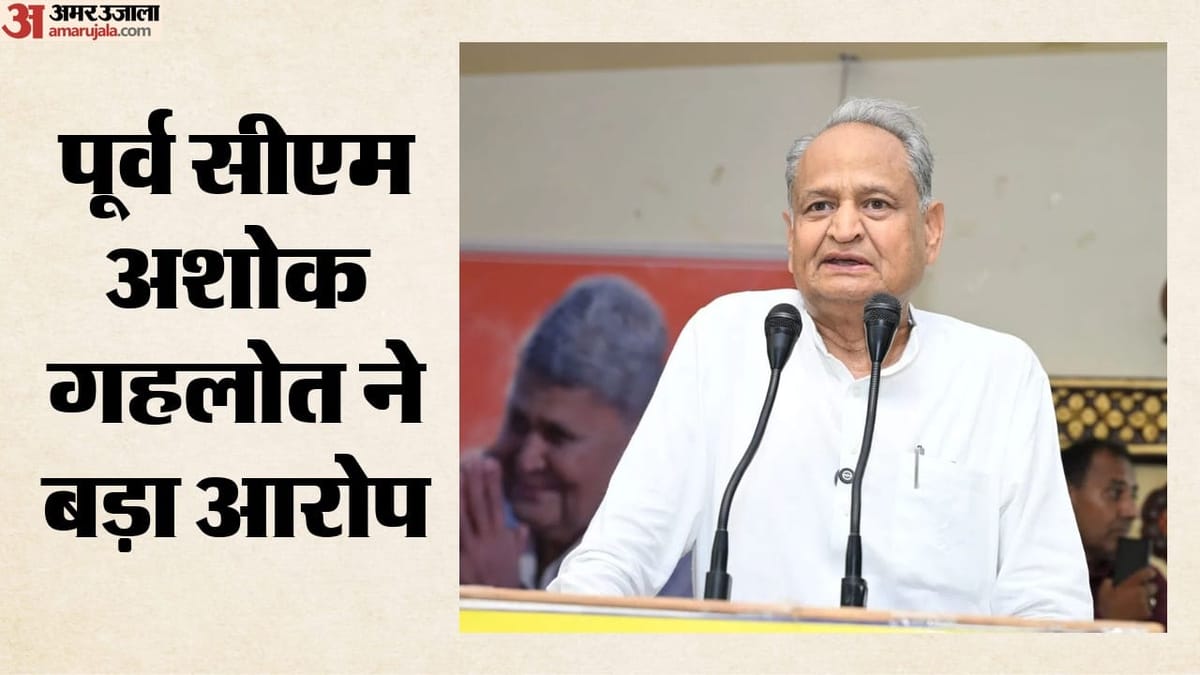
In the wake of the latest municipal election results across Rajasthan, former Chief Minister Ashok Gehlot has launched a scathing attack on the Bharatiya Janata Party, accusing them of the blatant misuse of law enforcement and governmental machinery. The political landscape of the state has heated up significantly as senior leaders trade barbs over the integrity of the recently concluded urban local body elections. Gehlot asserted that the ruling faction resorted to unfair means solely to capture mayoral seats.
The controversy stems from deeply contested municipal battles where every single seat holds immense symbolic and administrative value for political parties striving to cement their grassroots presence. Historically, urban local body elections serve as a crucial barometer of public sentiment between state-level assembly elections. The intense friction observed during the vote counting and result declarations highlights the high stakes involved in capturing municipal leadership roles across various districts of Rajasthan.
As allegations of administrative bias circulate widely, political observers are closely scrutinizing the logistical and operational conduct of the elections. While official tallies continue to be processed and certified, allegations regarding the obstruction of fair electoral practices have dominated public discourse. The deployment of security personnel and administrative machinery has become the epicenter of a major political confrontation between the opposition and the ruling dispensation.
Expressing grave concern over the erosion of institutional neutrality, Ashok Gehlot specifically highlighted the phrase 'misuse of police to make mayors', echoing the growing grievances among party workers and local candidates. Stakeholders from various municipal wards have reported administrative high-handedness, creating an atmosphere of distrust between local citizens, political contestants, and the governing authorities responsible for conducting free and fair polls.
The ripples of this political turmoil are being keenly felt in regional sectors, including the Kotputli-Behror district, where local communities and traders depend heavily on stable municipal governance for commercial and infrastructural development. Local residents have expressed apprehension that such intense political polarization and administrative controversies could stall crucial civic projects and delay essential municipal services meant for public welfare.
In response to these unfolding events, administrative authorities have maintained that all electoral procedures were executed in strict adherence to statutory guidelines and established legal frameworks. However, the pressure from opposition leaders demanding accountability has placed bureaucratic machinery under intense public scrutiny. Officials at various levels are now facing heightened expectations to maintain absolute transparency and impartiality in all future administrative actions.
Looking ahead, the political fallout from these municipal elections is expected to shape the trajectory of upcoming legislative debates and grassroots campaigns in Rajasthan. Political analysts predict that the opposition will continue to press for accountability regarding the alleged misuse of state power, while the ruling party defends its mandate. The overarching public expectation remains centered on the restoration of complete administrative integrity and the unhindered functioning of local civic bodies.