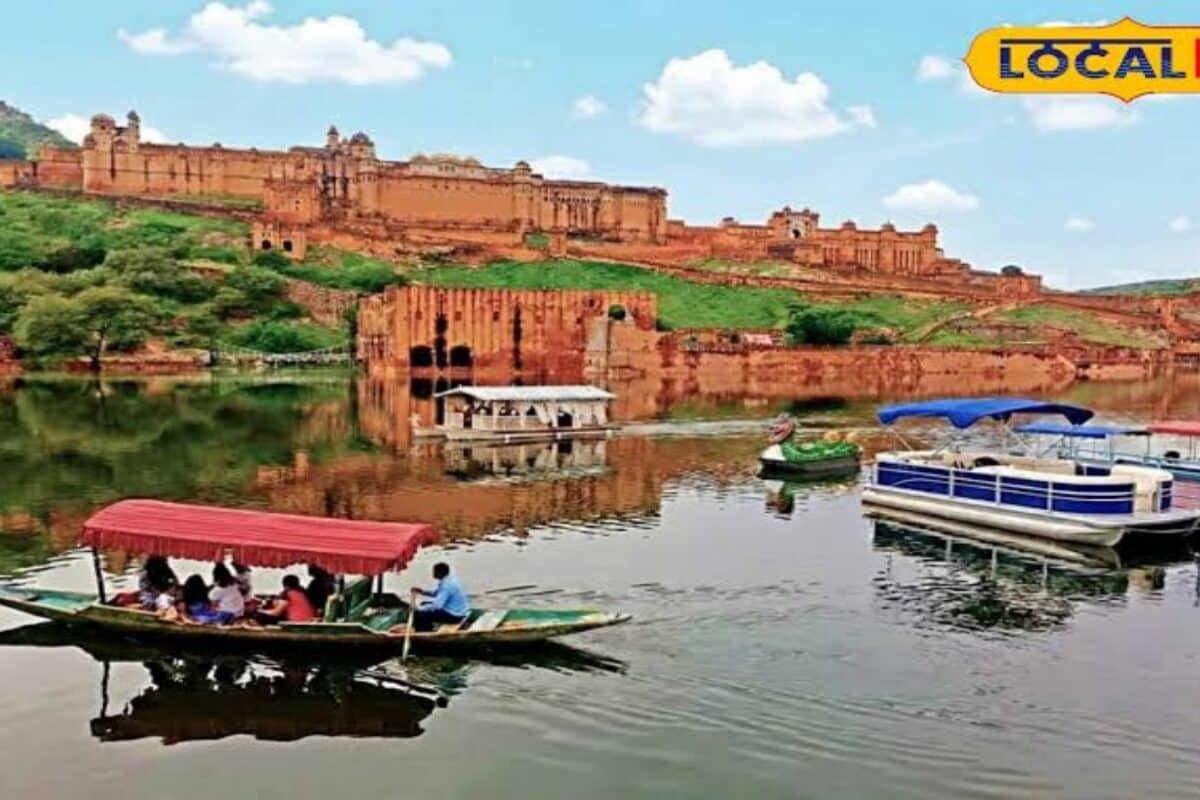
An administrative restriction on tourist vehicles in Amer, Rajasthan, has triggered a severe travel crisis for hundreds of visitors arriving at the historic destination. Following an intense local dispute concerning the operation of transport jeeps, the administration abruptly halted the movement of designated tourist vehicles, leaving incoming travelers stranded without prior notice or alternative conveyance options.
The sudden prohibition stems from a brewing conflict among local transport operators regarding jeep management and rights within the heritage precinct. Because tourists arriving from various external regions were completely unaware of these internal local disputes, they stepped right into a logistical vacuum, discovering upon arrival that standard transit facilities to the monument had been completely suspended by regulatory orders.
The direct human cost of this sudden transport paralysis fell heavily upon vulnerable travelers during peak daytime temperatures. Lacking operational jeeps or authorized auto-rickshaws to navigate the incline, unsuspecting tourists, notably including elderly citizens and young children, were forced to make the arduous trek to Amer Mahal entirely on foot under punishing summer weather conditions.
Local tourism stakeholders, including licensed heritage guides and small-scale tour operators, expressed deep dismay over the ongoing stalemate, pointing out that the stoppage of jeep services has comprehensively damaged their daily trade and financial sustenance. With visitors choosing to curtail their stays or struggling to access the core monument, the overall commercial ecosystem supporting regional tourism has faced an immediate and painful downturn.
The ripple effects of this transportation crisis extend outward, impacting regional economic circuits connected with cultural heritage journeys throughout the broader administrative zone. Service providers, vendors, and hospitality workers who rely on steady tourist footfall found their earnings sharply constrained by the abrupt halt in vehicular mobility caused by the local operational dispute.
In response to the escalating visitor grievances and mounting commercial losses, local administrative authorities are currently under intense pressure to intervene, resolve the underlying operational disputes, and restore orderly public transport services. Ensuring smooth and safe commuter access remains an urgent priority to safeguard the reputation and operational viability of the heritage site.
Moving forward, community leaders, municipal officials, and transport unions are expected to hold formal dialogues to draft a sustainable operational framework that prevents future disruptions. Until a permanent resolution is officially established and enforced, both local businesses and incoming tourists remain vulnerable to unpredictable transport suspensions within the historic tourism corridor.