
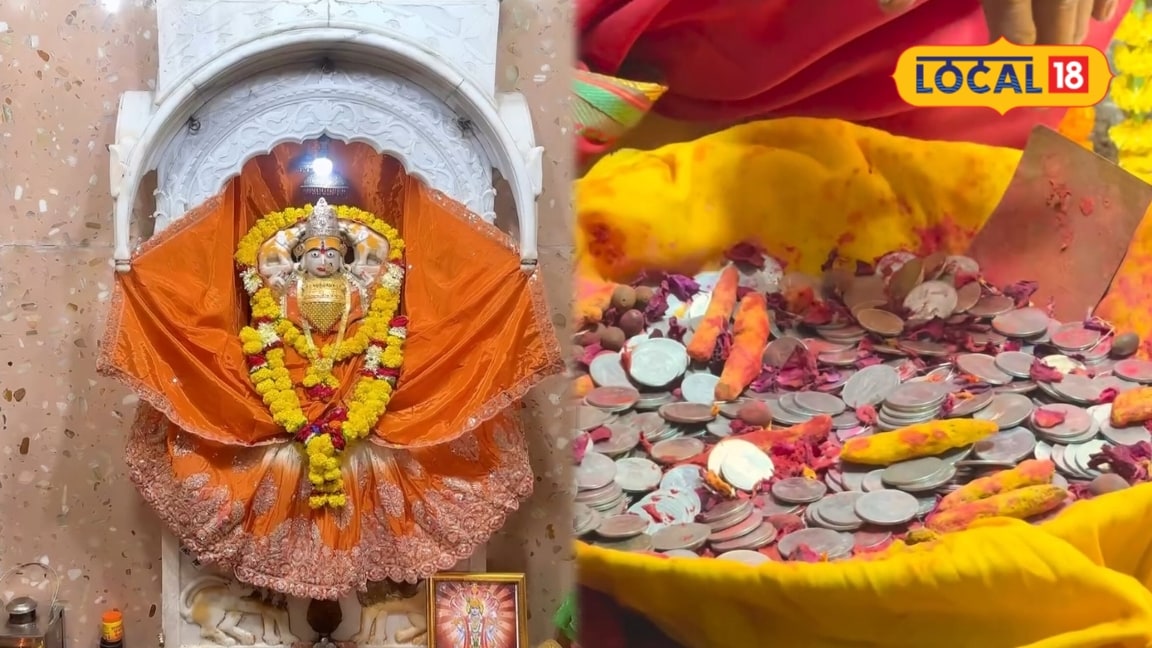
In the vibrant state of Rajasthan, the historic town of Pali is currently witnessing a remarkable display of age-old devotion as thousands of devotees gather at the renowned Mahalakshmi Temple for the festival of Diwali. Breaking away from conventional festive customs where sweets and dry fruits form the primary distribution of prasad, this ancient shrine adheres to a distinct and revered practice. Following a special grand aarati dedicated to Goddess Mahalakshmi, worshippers receive an energized and consecrated coin as the holy prasad, setting this celebration apart from festivities across the nation.
Tracing the origins of this unique custom reveals a profound historical lineage that spans an incredible nine hundred years. Established centuries ago, the Mahalakshmi Temple in Pali has maintained this unbroken tradition through generations, preserving architectural and spiritual heritage that continues to draw historical researchers and devout followers alike. The longevity of this practice underscores the deep-rooted cultural fabric of the region, where spiritual faith intertwines seamlessly with daily life and commercial traditions of the local populace.
Examining the ground reality during the festive season highlights the immense logistical and spiritual significance associated with the event. While exact financial figures regarding the distribution are managed discreetly by the temple committee, reports confirm that multitudes throng the temple premises to partake in the rituals. The physical stakes involve the meticulous collection, consecration, and distribution of these special metallic tokens, which are prepared under strict ritualistic protocols supervised by temple priests ahead of the main Diwali celebrations.
Local traders, merchants, and visiting citizens express unwavering faith in the divine efficacy of the consecrated coin. According to prevailing traditional beliefs, placing this specific coin inside home treasuries, lockers, or commercial establishments ensures sustained financial growth, prosperity, and continuous divine blessings throughout the year. Stakeholders note that for business owners operating in Pali and surrounding districts, securing this prasad represents a vital component of welcoming prosperity for the upcoming financial and fiscal cycle.
The cultural resonance of the Pali tradition extends beyond immediate municipal boundaries, creating ripples of economic and social engagement across the broader region. Devotees traveling from neighboring districts and distant towns contribute significantly to local hospitality, transport, and festive commerce during the Diwali period. This annual pilgrimage reinforces regional ties and highlights the unique religious tourism potential embedded within the historical temples of Rajasthan.
Administrative authorities and local temple management bodies coordinate extensively to manage the massive influx of pilgrims arriving at the Mahalakshmi Temple. Given the historical significance spanning nine hundred years, crowd control measures, security deployments, and civic amenities are meticulously planned to ensure that the distribution of the sacred coin proceeds without disruption. Official oversight guarantees the safety of all participants while honoring the sanctity of the ancient rituals.
Looking toward the future, the custodians of the Mahalakshmi Temple remain steadfast in their commitment to preserving this nine-hundred-year legacy for upcoming generations. Plans are underway to further document the historical archives of the temple and streamline the distribution process to accommodate the steadily growing number of devotees. As public anticipation builds for each successive Diwali, the tradition of the sacred coin continues to shine as a beacon of faith, heritage, and enduring prosperity in Pali.
