
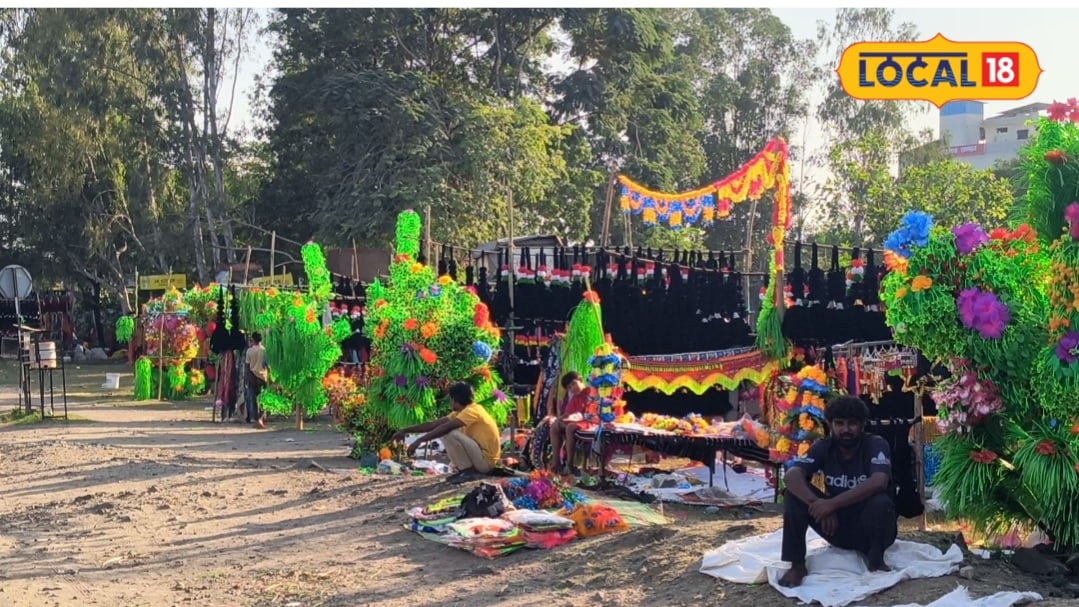
In the vibrant expanse of Bhilwara, a distinctive seasonal marketplace springs to life exclusively during the auspicious festival of Diwali, operating for a strict duration of merely seven days. This unique commercial hub serves as the primary destination for rural communities seeking specialized, handcrafted accessories specifically designed for embellishing heavy agricultural and commercial vehicles. As the festive season reaches its peak, the atmosphere within this temporary market transforms into a bustling center of activity, drawing massive crowds of villagers from far and wide.
The historical roots of this market trace back to age-old rural traditions where utilitarian assets, particularly those essential for livelihood such as farming equipment and transport vehicles, are revered as instruments of prosperity. Over generations, this cultural practice has evolved into a structured commercial event, exclusively materializing during the brief seven-day window leading up to and encompassing the Diwali festivities. Elders and artisans have preserved the intricate craftsmanship required to produce these traditional vehicle decorations, passing down specialized skills that cater directly to this niche seasonal demand.
Grounded firmly in current observations, the market witnesses an extraordinary convergence of agricultural workers, truck drivers, and heavy machinery operators looking to purchase ornamental items for their tractors, bullock carts, trucks, and JCBs. The economic stakes within this seven-day market are significant for local artisans, who rely on this brief period to generate a substantial portion of their annual income through the sale of handmade tassels, colorful ropes, metallic adornments, and fabric embellishments tailored for massive machinery.
Conversations with local traders and visiting farmers reveal a deep emotional and cultural attachment to the tradition of vehicle decoration. Farmers emphasize that adorning their tractors and bullock carts is not merely cosmetic but a profound expression of gratitude for the agricultural yield and economic sustenance provided throughout the year. Traders operating stalls in Bhilwara note that preparation for these intense seven days begins months in advance, requiring meticulous handcrafting of durable accessories capable of withstanding external travel on heavy transport vehicles.
The broader regional impact of this marketplace extends throughout the surrounding rural belts of Bhilwara, reinforcing community bonds and celebrating the symbiotic relationship between humans, animals, and machinery. By facilitating the preparation for post-Diwali vehicle worship, the market acts as a cultural catalyst that bridges traditional agrarian practices with modern heavy transport, ensuring that traditional craftsmanship survives amidst rapid industrialization and changing economic landscapes.
Local administrative bodies and municipal authorities monitor the bustling temporary bazaar to ensure public safety, traffic regulation, and orderly crowd management during the intense seven-day trading period. Given the massive influx of villagers driving tractors, trucks, and bullock carts into the marketplace area, coordinated efforts between community leaders and municipal personnel are routinely deployed to maintain smooth logistics, prevent congestion, and guarantee a secure environment for all participants.
Looking toward the future, stakeholders and community elders express immense confidence in the longevity of this distinctive tradition, anticipating that the seven-day market in Bhilwara will continue to thrive for generations to come. As modern agricultural machinery like JCBs and tractors increasingly adopt traditional decorative practices, this unique event serves as a enduring testament to the cultural resilience and festive spirit of the rural population in Bhilwara.
