
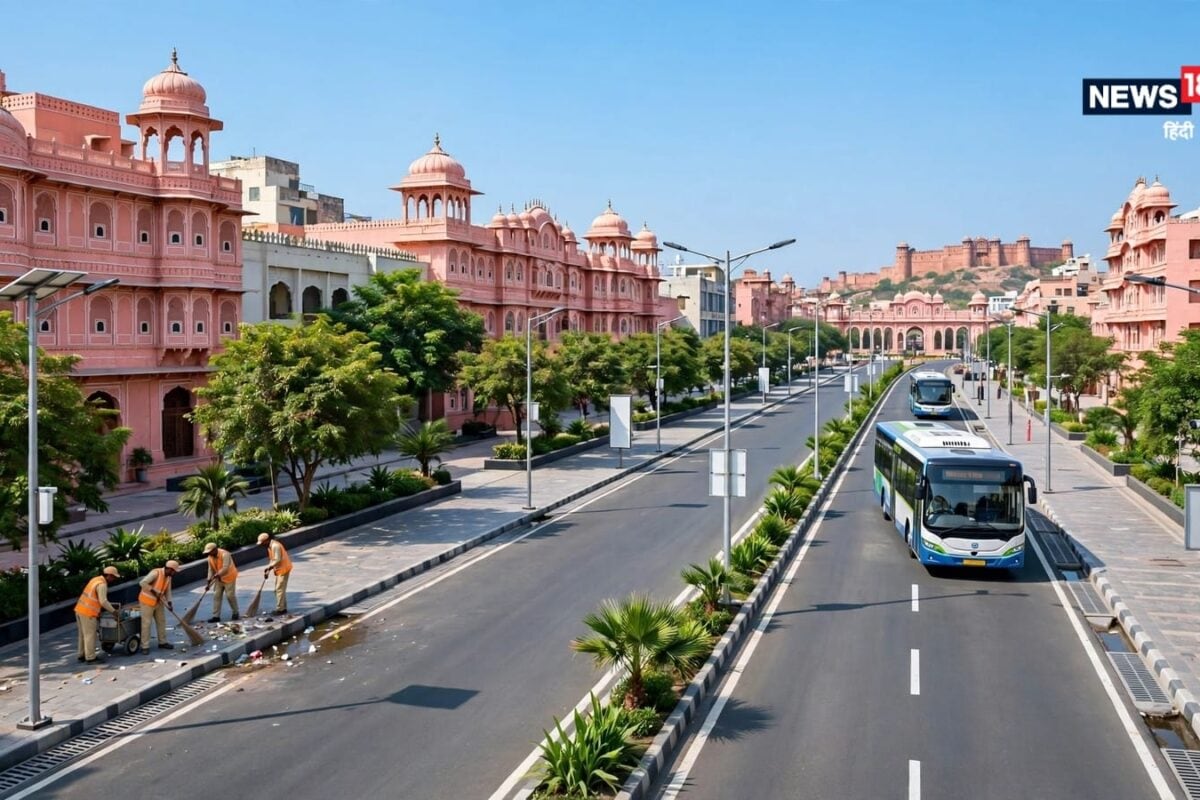
In a major infrastructural development aimed at redefining urban landscapes across Rajasthan, the World Bank has prepared a comprehensive project proposal exceeding 3,500 crore rupees. Titled as the 'Sutra' project, this major initiative is systematically designed to revamp roads, public transport, sophisticated drainage systems, efficient solid waste management, and other vital municipal services. The sheer scale of this infrastructural endeavor demonstrates a concerted push toward modernizing urban management in western India, ensuring that rapidly growing cities can support future populations without compromising environmental sustainability.
The genesis of this strategic intervention lies in the escalating infrastructural demands of Rajasthan's expanding urban centers, which have witnessed rapid commercial growth and demographic shifts over recent decades. Historical congestion, inadequate waste disposal mechanisms, and strained transportation networks have long plagued the administrative machinery of these local bodies. Recognizing these systemic vulnerabilities, urban planners and financial institutions collaborated to draft a holistic framework that addresses foundational deficits while simultaneously unlocking the untapped economic and cultural potential of the region.
Delving into the operational scope, the project proposes to encompass a total of 32 urban bodies across the state, strategically categorized into four primary urban clusters alongside 28 distinct satellite towns. The designated core clusters comprise Jaipur, Jodhpur, Kota, and Bharatpur, serving as regional growth hubs that will radiate developmental benefits outward. From a financial standpoint, the total projected layout is anchored by a substantial funding mechanism wherein the World Bank is slated to provide 27 million dollars in credit, while the Rajasthan Government will contribute 11.57 million dollars in corresponding state financing.
Stakeholder involvement and multi-tiered administrative consultations have formed the backbone of this preliminary planning phase, drawing insights from municipal commissioners, urban economists, and heritage conservationists. Representatives from commercial sectors and local trade associations have expressed optimistic anticipation regarding the anticipated overhaul of urban transit and commercial zones. However, civic groups have concurrently emphasized the critical importance of transparent implementation and strict adherence to environmental safeguards to protect local ecosystems and residential habitability during construction.
Examining the regional economic repercussions, the initiative places significant emphasis on the preservation of historical heritage and the aggressive promotion of tourism, which serves as a vital economic lifeline for Rajasthan. By upgrading civic amenities and beautifying public realms around historical monuments in clusters like Jaipur, Jodhpur, Kota, and Bharatpur, the project seeks to extend tourist stays and increase local revenue generation. Furthermore, the targeted financial interventions are structured to bolster the internal fiscal health and revenue-generating capacities of municipal corporations, reducing their long-term reliance on state-level exchequer support.
On the administrative front, municipal authorities and state ministry officials are currently reviewing the extensive technical blueprints and financial covenants embedded within the World Bank proposal. Bureaucratic oversight committees have been tasked with evaluating the feasibility of individual sub-projects within the 32 designated urban bodies to ensure optimal resource allocation. While the project framework has been comprehensively outlined, formal administrative sanction and final ratification from apex governing boards remain pending before ground-level execution can formally commence.
Looking toward the forward horizon, public expectations remain high as citizens and local businesses await the formal approval and subsequent rollout of the 'Sutra' project. Urban development experts project that once official clearances are secured, phased implementation schedules will be rolled out across the four clusters and 28 satellite towns. This long-term developmental blueprint is envisioned to systematically bridge the infrastructure deficit, elevate living standards, and position Rajasthan as a benchmark for sustainable urban transformation in the nation.
