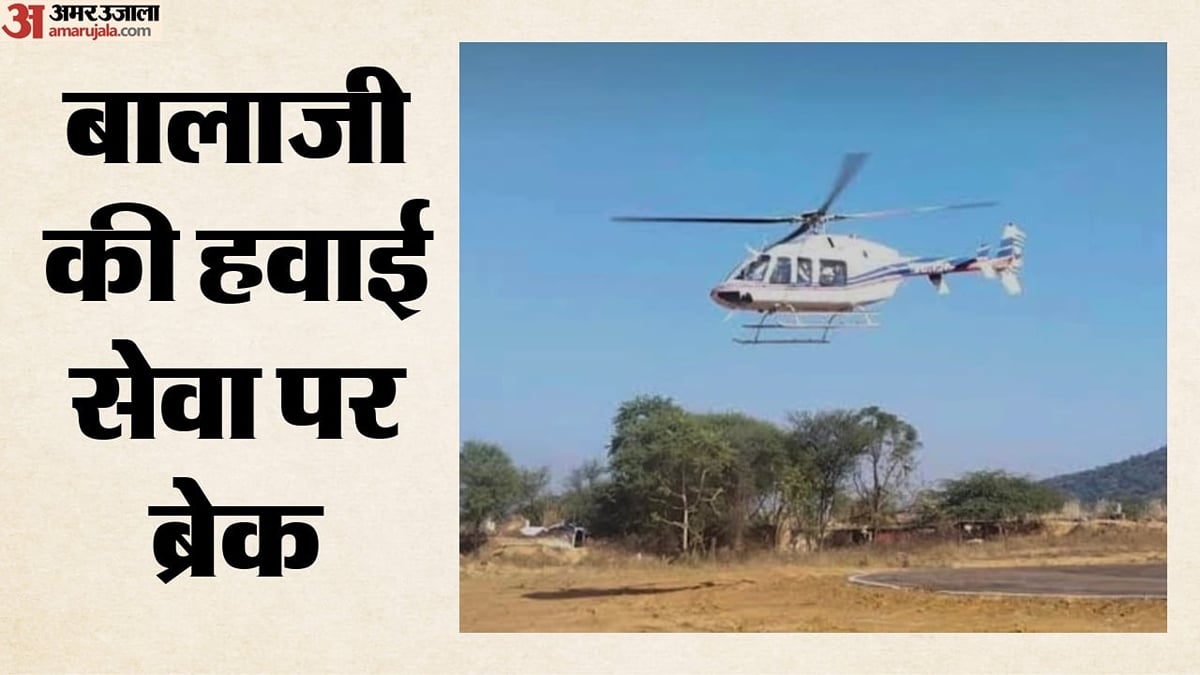
The ambitious aerial connectivity project aimed at linking the revered Mehandipur Balaji Dham to the regional transportation grid suffered an immediate and unexpected setback when its newly inaugurated helicopter service ground to a halt following its maiden voyage on December 8, 2025. What was initially heralded as a monumental leap forward for pilgrim convenience and regional tourism quickly transformed into an administrative puzzle, leaving local stakeholders and expectant devotees searching for answers regarding the sudden suspension of operations.
Historically, the vast influx of pilgrims traveling to Mehandipur Balaji Dham has relied exclusively on traditional roadways, navigating congested traffic corridors and enduring long, arduous journeys from various parts of the country. Recognizing the immense religious significance and the sheer volume of footfall at the shrine, planners conceptualized the helicopter service as a premium alternative to ease congestion and provide rapid transit for devotees seeking divine blessings within compressed timeframes.
On the momentous launch day of December 8, 2025, the atmosphere surrounding the helipad area was electric, characterized by festive celebrations, traditional drum beats, and an overwhelming sense of public jubilation. The inaugural flight successfully took to the skies, carrying precisely five devout pilgrims who purchased tickets to experience the historic first-ever aerial journey to the sacred destination, marking a seemingly triumphant dawn for modern pilgrimage logistics.
However, despite the enthusiastic commencement and the initial wave of positive publicity, the operational momentum evaporated almost instantaneously, and subsequent scheduled flights failed to materialize, leaving the helipad deserted and the booking counters unmanned. Local business owners, tour operators, and community representatives have expressed deep disappointment over the sudden cessation, noting that heightened expectations among visiting devotees have turned into widespread frustration due to the lack of transparent communication from the operating agencies.
The broader implications of this suspension extend across the local economy of the surrounding region, including the Kotputli-Behror district, where businesses anticipated a substantial boost in high-yield tourism and allied hospitality services. The seamless integration of modern aerial transport with traditional religious tourism was envisioned as a catalyst for local economic development, making the abrupt discontinuation a significant setback for merchants and service providers who invested hope and capital into the initiative.
Administrative authorities and civil aviation coordinators are currently under intense scrutiny to explain the underlying factors that caused the service to stall immediately after the launch event, with questions being raised about fare structures, subsidy agreements, and passenger demand thresholds. While official statements remain sparse, municipal and district officials are reportedly reviewing the operational modalities, safety compliances, and financial agreements between the private charter operators and local governing bodies to determine the feasibility of a future restart.
Looking ahead, the revival of the Mehandipur Balaji Dham helicopter service hinges upon comprehensive restructuring, aggressive promotional campaigns, and realistic pricing models that can consistently attract viable passenger volumes rather than relying solely on ceremonial inaugurations. As devotees and regional stakeholders await a formal roadmap from the administration, the grounded service stands as a poignant reminder of the delicate balance required between visionary infrastructure projects and grounded economic realities.