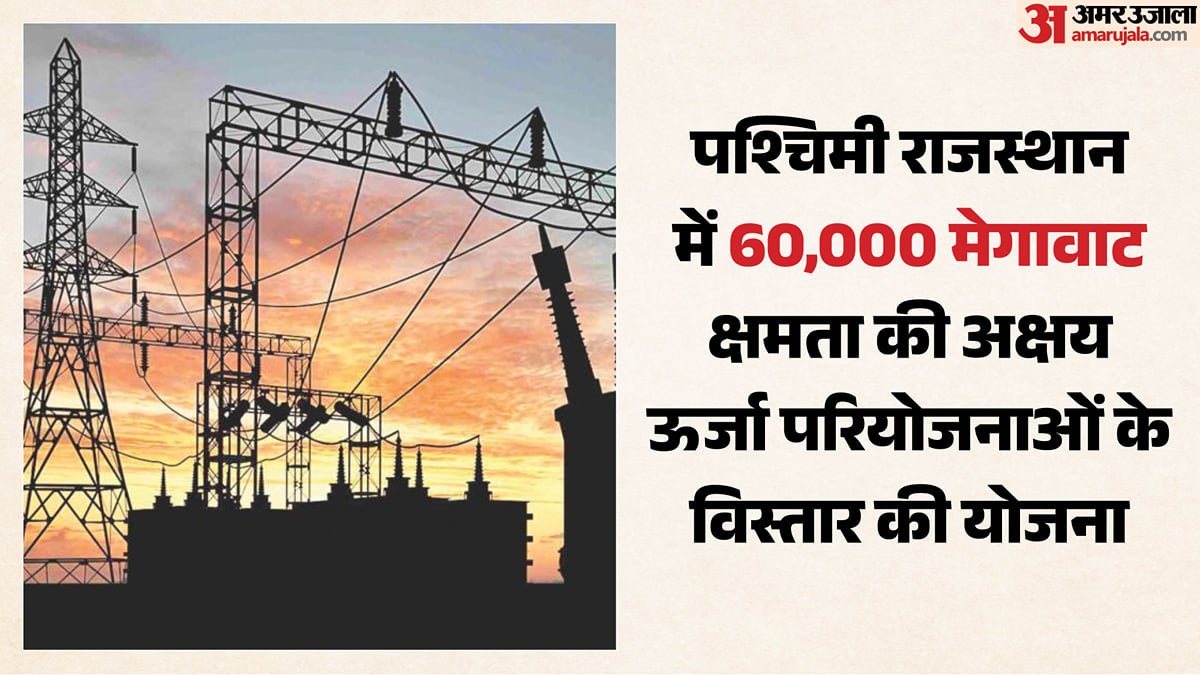
Western Rajasthan is witnessing a monumental shift in its industrial and energy landscape with the comprehensive planning of approximately 60,000 megawatts of renewable energy projects. This strategic initiative marks a significant milestone in India's broader transition toward sustainable and clean energy sources, positioning the western region of the state as a premier hub for green power generation. The overarching vision encompasses not only power production but also the holistic creation of industrial ecosystems that will drive long-term economic prosperity.
The historical context of this massive energy push stems from the region's unmatched geographical advantages, particularly the abundant solar irradiation and high-velocity wind patterns characteristic of the Thar Desert. Over the past decade, policymakers and energy planners have increasingly recognized the immense potential lying dormant in these arid expanses. What began as scattered exploratory installations has now evolved into a synchronized master plan to harness clean energy on an unprecedented industrial scale, transforming neglected terrains into engines of national economic growth.
At the heart of this expansion are the districts of Jaisalmer and Baadmer, which are slated to become the primary nerve centers for solar and wind power deployment. The logistical and financial stakes in these areas are exceptionally high, requiring sophisticated grid infrastructures and advanced technological frameworks. According to preliminary projections, the integration of approximately 60,000 megawatts of capacity will necessitate heavy capital investments, drawing major domestic and international energy conglomerates to the region to establish state-of-the-art generation facilities.
Beyond pure generation, the current developmental framework places heavy emphasis on energy storage systems and allied manufacturing sectors. Stakeholders, including renewable energy developers, equipment suppliers, and local business leaders, have expressed immense optimism regarding the multiplier effect these projects will generate. Industry representatives note that the establishment of storage facilities is crucial for ensuring grid stability, which in turn demands continuous technical innovation and localized supply chain development within the region.
While the immediate epicenters of development are concentrated in western districts like Jaisalmer and Baadmer, the ripple effects of such massive capital inflows are expected to benefit the entire state of Rajasthan, including emerging economic zones such as Kotputli-Behror. The growth of ancillary industries, component manufacturing units, and transport logistics will open up diverse avenues for commerce and trade, creating a synchronized state-wide economic ecosystem driven by the renewable sector.
Administrative authorities and regulatory bodies are actively formulating comprehensive oversight mechanisms to streamline land allocation, environmental clearances, and transmission connectivity. Government officials emphasize that transparency, regulatory ease, and sustainable ecological practices will guide the implementation of these massive undertakings. Special committees are being established to monitor the progress of infrastructure development and ensure that the administrative bottlenecks are resolved swiftly.
Looking toward the forward outlook and future timeline, the successful execution of these initiatives over the coming years is expected to fundamentally alter Rajasthan's economic fabric. Public expectations remain high as communities anticipate sustainable job creation, improved local infrastructure, and enhanced socio-economic standards. As the blueprint transitions into ground-level execution, Western Rajasthan stands firmly on the threshold of a historic green industrial revolution.