
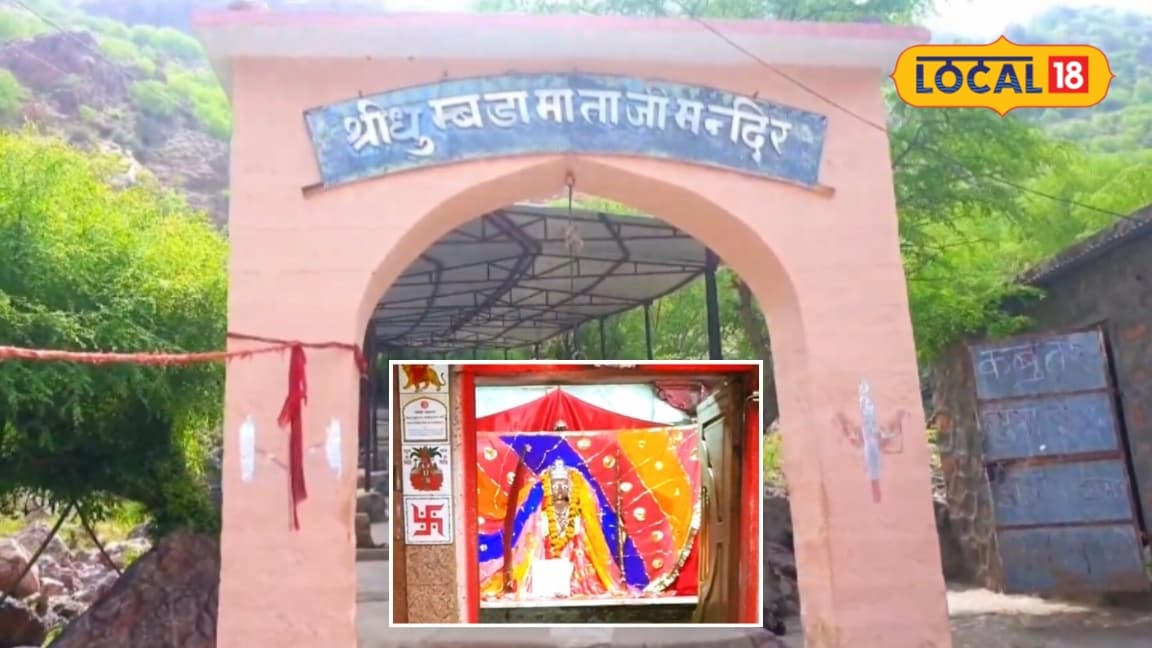
In the culturally rich landscape of Rajasthan, numerous ancient shrines hold deep historical and mythological significance. Among these, a distinctly unique temple situated in Bhadrajun within the Jalore district has captured the profound attention of historians, devotees, and researchers alike. The ancient Dhumbra Mataji Temple stands as a monumental testament to the epic era of the Mahabharata, drawing countless pilgrims who seek spiritual solace and historical connection.
The foundational history of the Dhumbra Mataji Temple is inextricably linked to the legendary accounts of the Mahabharata. According to traditional narratives and historical lore, the site bears deep association with Subhadra, the revered sister of Lord Krishna, and the legendary Pandava warrior Arjuna. Their historical union, known as the Gandharva marriage, forms the spiritual and narrative bedrock upon which the sacred reverence of this temple is permanently established.
Differentiating itself from conventional places of worship across the region, this sacred precinct witnesses the veneration of Subhadra not merely as a historical figure, but directly in the divine form of a presiding goddess. Devotees assemble in large numbers to offer their sincere prayers and seek divine blessings, upholding ancient customs and traditions that have been meticulously preserved across generations within the local community.
The spiritual vibrancy of the Dhumbra Mataji Temple reaches its zenith during the sacred period of Navratri. Beginning formally from the first day, known as the 'ekam', and culminating on the full moon night, or 'punam', the temple premises witness elaborate religious rituals, continuous chanting, and extensive devotional gatherings. During this vibrant fortnight, the entire area undergoes a remarkable transformation, buzzing with spiritual fervor and religious devotion.
Complementing the intense spiritual activities, the duration of Navratri witnesses the emergence of a bustling, fair-like atmosphere within the temple complex and its surrounding neighborhoods. Pilgrims, local vendors, and community members converge at the site, creating an engaging communal environment that significantly enlivens the regional social fabric and local commerce of the Jalore district.
The sustained preservation and management of such ancient mythological sites require continuous administrative vigilance and community participation. Local authorities and temple committee members work in tandem during major festive periods like Navratri to ensure smooth crowd management, sanitation, and safety protocols, thereby facilitating a peaceful and orderly pilgrimage experience for thousands of visitors.
Looking ahead, the ongoing reverence of the Dhumbra Mataji Temple continues to serve as an important cultural anchor for the region. By bridging ancient epics with contemporary spiritual life, the temple secures its place as a vital heritage destination, promising to uphold its unique traditions and historical legacy for generations of devotees to come.
