
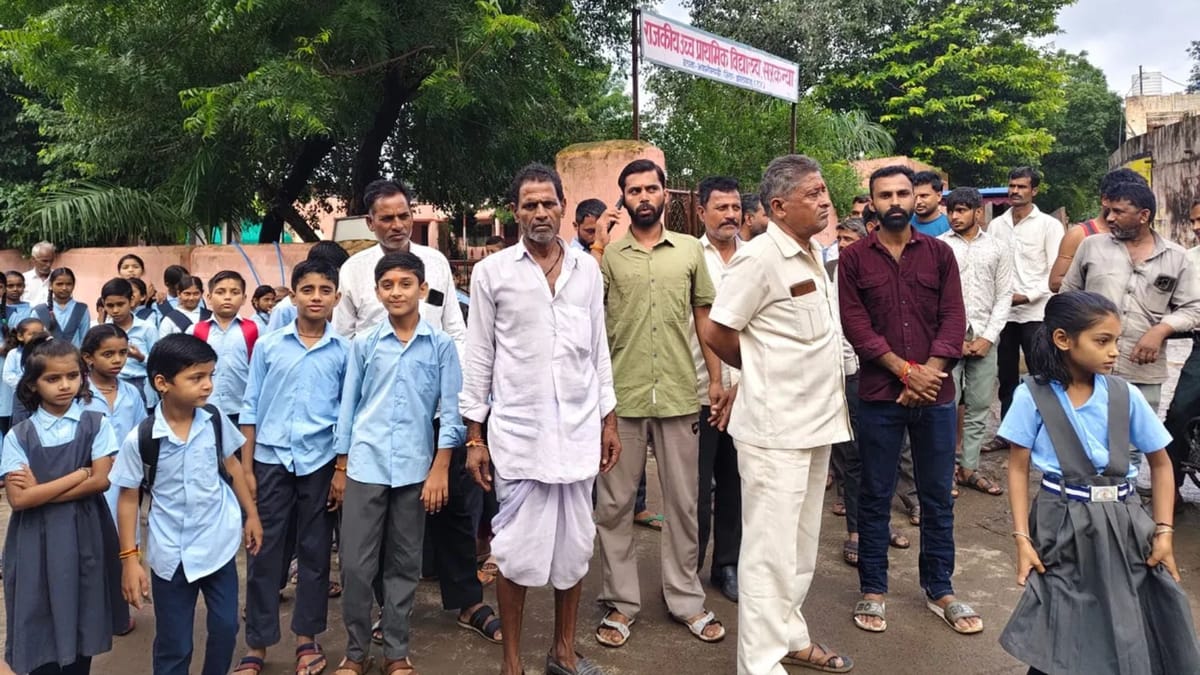
Panic gripped several rural areas in the Pirawa region of Jhalawar district, Rajasthan, on Tuesday morning when sudden and unexplained tremors rattled the ground. Within a timeframe of approximately two and a half hours, local residents experienced three distinct episodes of ground shaking that mirrored the characteristics of an earthquake. The unexpected natural phenomenon disrupted daily routines and caused immense anxiety among the local populace, prompting immediate precautionary responses from community members and educational institutions alike.
The events unfolded during the early morning hours, catching villagers completely off guard as the earth shuddered repeatedly. Historical geological occurrences in this part of Rajasthan have occasionally featured minor tectonic adjustments, yet the repetition of three separate jolts within such a brief window remains remarkably unusual. Geological monitoring networks and local administrative bodies have been inundated with calls from panicked citizens seeking clarity regarding the nature and intensity of these subterranean disturbances.
As the tremors reverberated through the countryside, detailed ground reports began indicating tangible structural concerns alongside the psychological distress. Preliminary assessments from the affected villages in Pirawa confirmed that while no major casualties or catastrophic structural failures have been documented, some residential houses developed visible cracks on their walls. These structural anomalies have escalated safety apprehensions among families residing in traditional masonry homes, raising urgent questions regarding structural integrity and disaster preparedness in rural settlements.
Local inhabitants, community leaders, and affected families expressed profound fear over the recurring vibrations, noting that the intensity was sufficient to rattle household items and force immediate evacuation. Eyewitness accounts from the affected localities describe how people abandoned their morning chores and rushed out into the streets, courtyards, and open fields to ensure their safety. The uncertainty surrounding whether subsequent aftershocks might follow kept communities on high alert throughout the morning hours.
The regional impact extended to educational institutions across the affected clusters, where precautionary measures were swiftly enacted. Authorities and school administrators decided to declare an immediate holiday for schools in the zone to safeguard students and educational staff from any potential risks associated with recurring tremors. This proactive step mitigated immediate safety hazards, ensuring that children were moved to secure locations under parental supervision while official evaluations continued.
In response to the developing situation, local administrative bodies, disaster management units, and revenue officials initiated comprehensive reviews to ascertain the exact epicentre and magnitude of the seismic activity. Teams were dispatched to inspect the reported damages, evaluate cracked dwellings, and gather precise data from the ground. Administrative oversight remains active to ensure that any distressed households receive adequate attention and that accurate information is disseminated to prevent panic.
Looking forward, local authorities have urged residents to remain vigilant while avoiding unwarranted panic as geological experts evaluate the seismic data from Jhalawar and Pirawa. Continuous monitoring of the region will be maintained over the coming days to track any further subterranean shifts. Public awareness regarding earthquake safety protocols is being reinforced by community leaders to ensure that residents remain adequately prepared for any unforeseen developments.
