
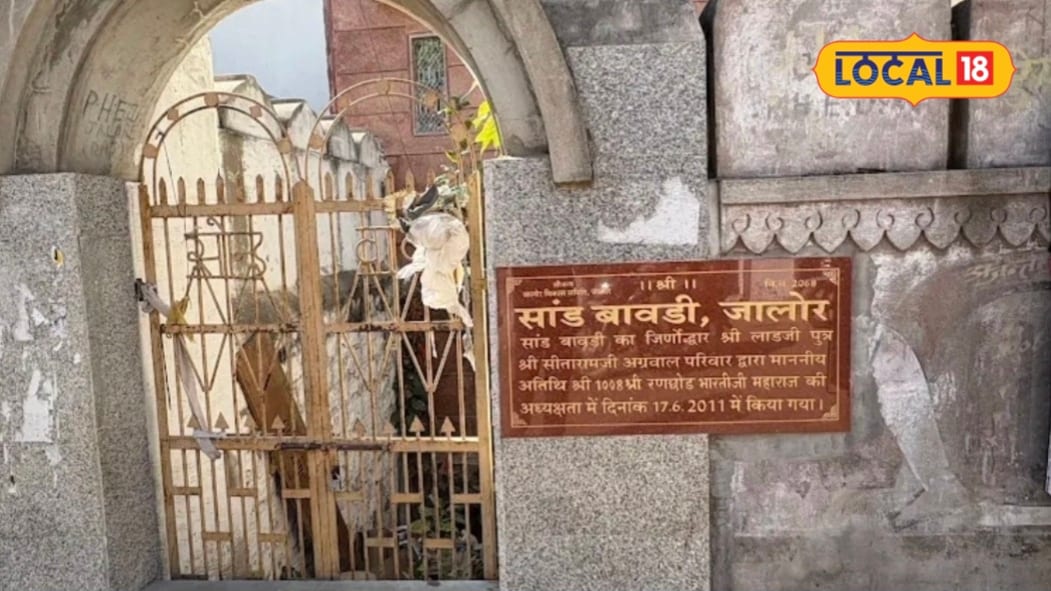
In the historic district of Jalore, the architectural and cultural heritage boasts numerous landmarks, among which the historic Sandh Bawdi occupies a deeply revered position. Known widely for its unusual history and the profound legends associated with King Veeramdev, this stepwell continues to capture the attention of historians, researchers, and heritage enthusiasts alike. The origin of the structure's name and its deep-rooted connection to regional folklore form an essential chapter in the historical tapestry of Jalore.
Providing authoritative insight into the origins of this monumental structure, noted historian Bansi Lal Soni has documented crucial details regarding its nomenclature and past. According to historian Bansi Lal Soni, this architectural marvel was originally known as 'Swarn Bawdi' during earlier periods, reflecting its grandeur, aesthetic excellence, and the high value placed on water harvesting structures in historical Rajasthan.
The fascinating narrative that led to the transition from Swarn Bawdi to Sandh Bawdi is deeply embedded in the historical interactions between Jalore and Jaisalmer. Traditional lore and historical accounts maintain that a critical message concerning a grave threat to the life of King Veeramdev was dispatched from Jaisalmer. The messenger undertook the arduous journey mounted on a powerful bull, known locally as a 'sandh', traversing great distances at remarkable speed to reach Jalore.
Upon arriving safely within the boundaries of Jalore with the vital warning, the exhausted animal completed its historic mission but tragically breathed its last at this very location. In commemoration of the loyal animal's extraordinary service, sacrifice, and the dramatic culmination of the messenger's journey, the location and the stepwell eventually became permanently associated with the name Sandh Bawdi.
Beyond its striking nomenclature and legendary origins, the site holds immense cultural significance for the local population and communities residing across the region. Local traditions and generational beliefs attribute miraculous properties to the water contained within the stepwell. Residents steadfastly maintain that the water source of the Sandh Bawdi possesses unique healing qualities and remains reliably permanent, never drying up even during severe seasonal droughts.
The administration and local heritage custodians continuously recognize the importance of preserving such historical water reservoirs, which serve as physical links to the bygone era of regional rulers like King Veeramdev. While modern urban development transforms the surrounding landscapes, historical monuments like the Sandh Bawdi remind the populace of ancient engineering feats and the dramatic historical events that shaped the cultural identity of Jalore.
Looking forward, heritage experts and local historians emphasize the ongoing necessity to document, protect, and promote these lesser-known historical narratives for future generations. As educational tourism and interest in historical preservation grow, sites such as the Sandh Bawdi stand ready to offer visitors a deeper appreciation of Jalore's rich past, bridging ancient legends with contemporary historical inquiry.