
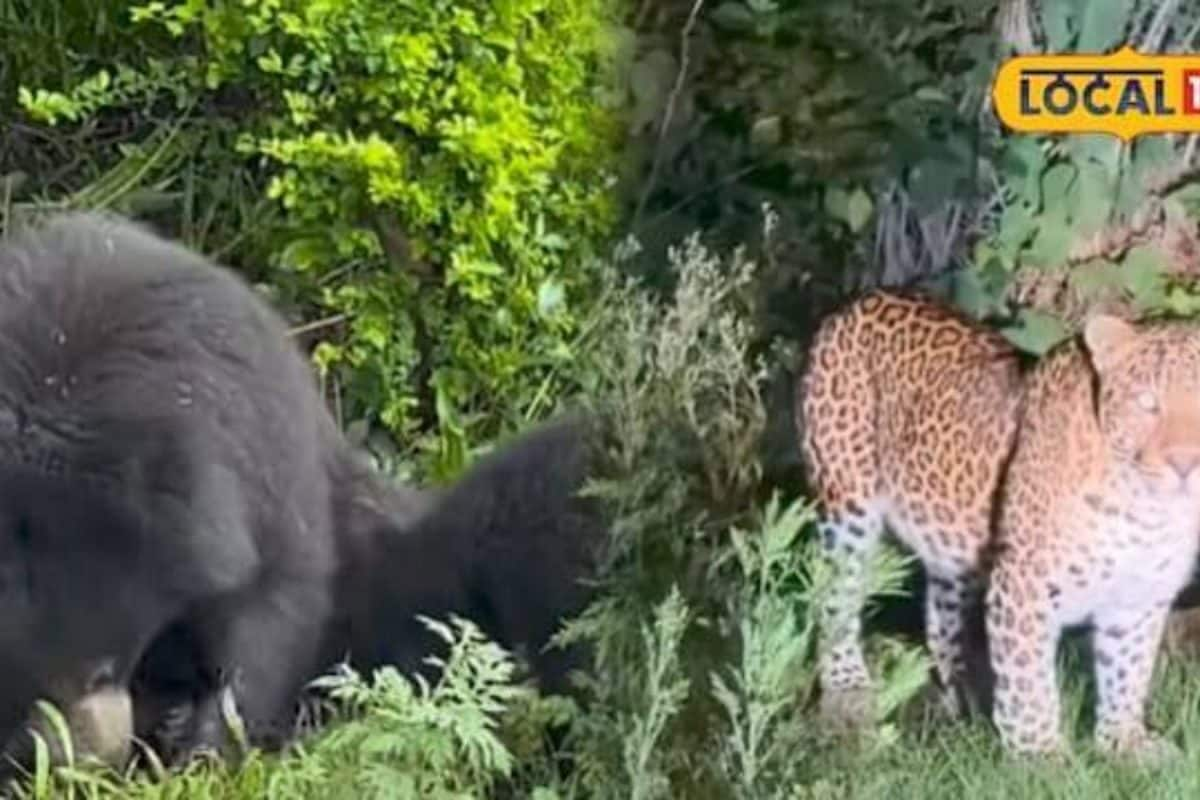
The celebrations of Diwali in the scenic region of Mount Abu transformed into a night of profound distress for the inhabitants of the local wildlife sanctuary. Throughout the festive night, deafening explosions of firecrackers echoed continuously across the protected terrain, shattering the natural nocturnal silence. While human residents celebrated the festival of lights with traditional zeal, the vulnerable fauna within the sanctuary faced an unprecedented wave of fear and physiological stress.
The deep forest ecosystems of Mount Abu serve as a crucial natural habitat for numerous indigenous wildlife species. Historically, these protected zones provide a peaceful sanctuary far removed from urban chaos and industrial disturbances. However, the modern escalation of festive celebrations, particularly the extensive use of high-decibel firecrackers, has increasingly encroached upon the natural peace of these sensitive ecological zones, testing the resilience of the resident animals.
According to ground reports from the sanctuary, the incessant noise levels throughout the night triggered severe psychological trauma and panic among the animals. Unlike humans, who understand the cultural context of fireworks, wild creatures perceive loud detonations as direct life-threatening danger. This profound fear often leads to erratic behavioral changes, including disorientation, heightened aggression, and desperate attempts to flee their established territories in search of safer grounds.
Local wildlife observers and conservationists have expressed grave concern over the immediate aftermath of these loud celebrations. The primary hazard identified by experts is the strong possibility of frightened animals abandoning their normal habitats and straying into human residential areas surrounding the sanctuary. Such desperate migrations drastically increase the likelihood of human-wildlife conflicts, posing severe risks to both the displaced animals and the local human population.
The ripple effects of such intense environmental disturbances extend far beyond the immediate boundaries of Mount Abu, resonating with communities and wildlife advocates across the broader region. Incidents like these prompt serious discussions regarding the enforcement of noise pollution regulations and the implementation of stricter environmental safeguards around protected wildlife sanctuaries during major festive periods.
Administrative oversight and regulatory bodies face persistent challenges in balancing traditional festival celebrations with the absolute necessity of wildlife preservation. While public awareness campaigns are routinely conducted, the sheer intensity of spontaneous fireworks often overwhelms precautionary measures, leaving vulnerable ecosystems exposed to severe auditory and physical trauma during peak celebration nights.
Looking ahead, conservation groups and local authorities must formulate more robust proactive strategies to mitigate the impact of festive noise pollution on protected wildlife. Strengthening buffer zones, implementing stricter curfews on fireworks near forest boundaries, and fostering community responsibility remain essential steps to ensure that future celebrations do not compromise the safety and tranquility of the region's invaluable fauna.
