
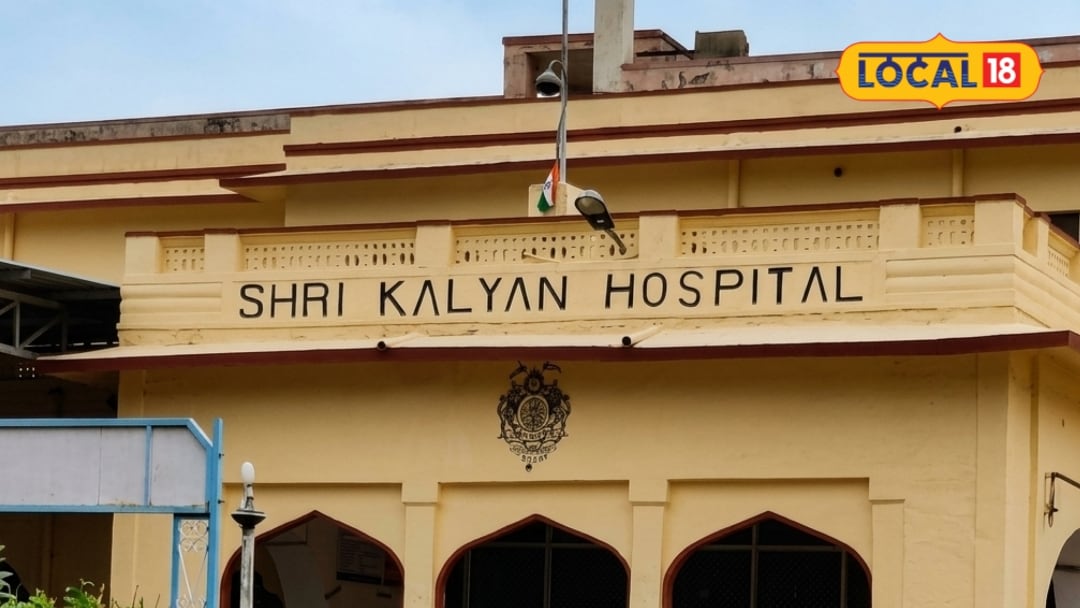
Sikar News reports that, as of this week, the Kalya N Hospital affiliated with Sikar Medical College has inaugurated a dedicated super‑specialty wing offering gastroenterology and urology services. The new wing allows patients residing in Sikar and surrounding districts to obtain expert consultations, diagnostic procedures, and treatment plans without the previously unavoidable journeys to larger metropolitan centres such as Jaipur or Delhi. Hospital administrators confirmed that the facility is fully equipped with modern endoscopic suites, imaging equipment, and a team of specialist physicians ready to address a broad spectrum of gastrointestinal and urinary disorders.
The launch marks a significant milestone in the evolution of healthcare delivery in Rajasthan’s northern region. Historically, Sikar’s public hospitals provided only primary and secondary care, while advanced specialties were limited to the state capital and the national capital. Patients with chronic liver disease, inflammatory bowel conditions, or complex kidney stones traditionally faced weeks of travel, accommodation costs, and lost wages. The decision to expand services at Kalya N Hospital stems from a decade‑long demand by local medical practitioners and community leaders for a self‑sufficient tertiary care hub.
On the ground, the new wing has already welcomed a modest cohort of specialist physicians, including two gastroenterologists and one urologist, each with more than a decade of clinical experience. The department is equipped with high‑definition endoscopy towers, ultrasonography units, and a fully operational laboratory for tissue biopsies and urine analysis. While the hospital has not disclosed exact patient‑volume figures, officials note that the addition of these specialties is expected to reduce referral rates to Jaipur’s and Delhi’s tertiary centres by a substantial margin, thereby easing the logistical and financial burden on families.
Hospital director Dr. Anil Sharma, speaking to reporters, emphasized that the primary goal is to bring “world‑class expertise to the doorstep of the common citizen.” Local primary‑care doctors have welcomed the development, noting that they can now refer patients for advanced investigations without the delay of arranging interstate travel. Patients who have already accessed the new services expressed relief, citing shorter waiting times and the comfort of receiving care in a familiar environment. Community health workers also highlighted the positive impact on health‑seeking behaviour, especially among women and elderly residents who previously hesitated to travel long distances.
The ripple effect of the super‑specialty wing extends beyond Sikar itself. Kotputli‑Behror district, situated approximately 80 kilometres away, stands to benefit from reduced patient outflow, increased local employment opportunities, and the stimulation of ancillary businesses such as diagnostic labs, pharmacy chains, and hospitality services. Economic analysts suggest that retaining healthcare expenditure within the region can contribute to a modest but measurable boost in the district’s gross domestic product, while also fostering a more resilient public‑health infrastructure.
State health authorities have welcomed the initiative as part of Rajasthan’s broader strategy to decentralise tertiary care. The Department of Medical Education and Research issued a formal statement praising the collaboration between the medical college and the hospital, and pledged continued financial and regulatory support. The department has also announced plans to monitor key performance indicators, such as patient satisfaction scores and referral reduction percentages, to ensure that the new services meet established quality standards.
Looking ahead, hospital officials have outlined a phased expansion plan that will introduce additional super‑specialties, including cardiology and oncology, over the next two to three years. Training programmes for resident doctors are being designed to create a pipeline of locally trained specialists. Community representatives are hopeful that the sustained focus on advanced care will encourage younger physicians to remain in the region, thereby addressing the chronic shortage of specialist talent in rural Rajasthan.