
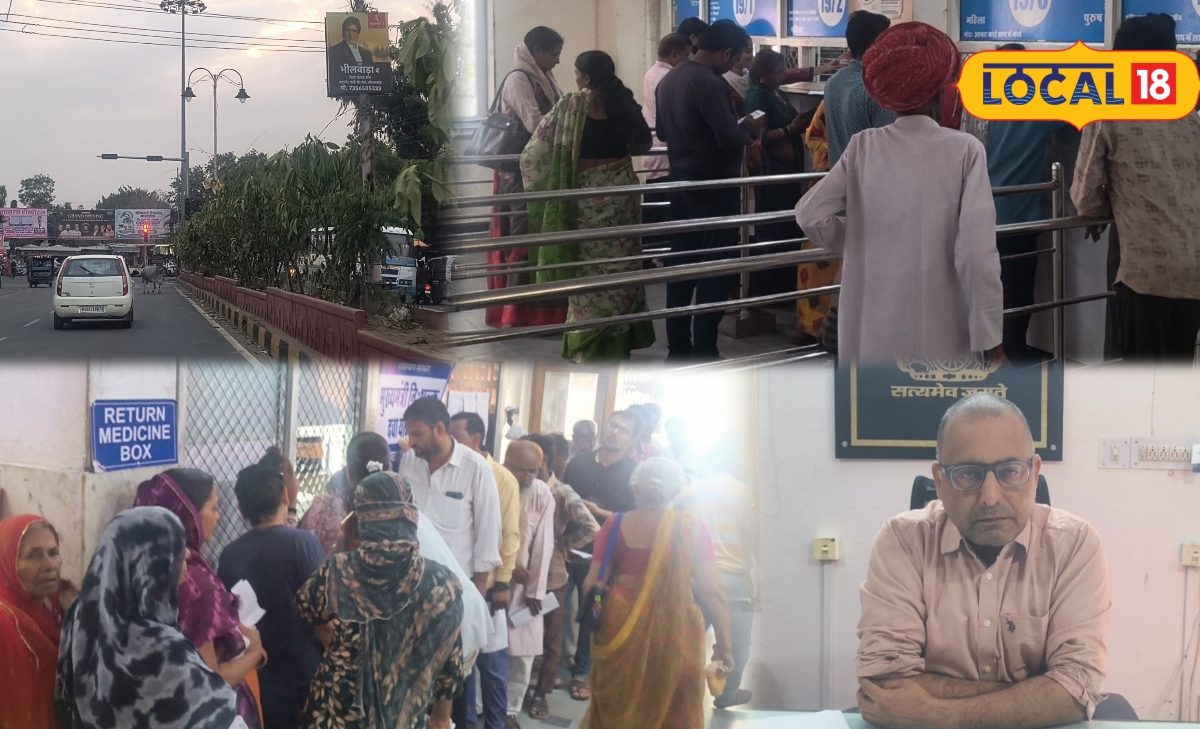
As the winter season begins to set in, medical facilities in Bhilwara are witnessing a noticeable surge in patients presenting with seasonal health complications. The shifting climatic conditions, marked by warm daytime temperatures and notably sharp chill factors during early mornings and late evenings, have created an environment conducive to viral proliferation. Local clinics and hospitals report an influx of individuals suffering from common colds, persistent coughs, high fevers, and various respiratory tract infections, prompting public health concerns across the region.
This seasonal transition has historically triggered spikes in respiratory ailments, as the human body struggles to adapt to rapid temperature fluctuations within a single 24-hour cycle. Medical researchers and epidemiological studies indicate that such environmental shifts weaken the upper respiratory tract's natural defense mechanisms, making populations more susceptible to circulating pathogens. In Bhilwara, this phenomenon recurs annually, yet the intensity of the current weather swing has accelerated the onset of winter-related morbidities earlier than anticipated.
A closer examination of the ground reality reveals that outpatient departments across local healthcare institutions are operating at heightened capacities. While formal statistical bulletins are continuously updated by health administrators, frontline practitioners note a significant daily rise in patient consultations. The logistical and operational strain on local clinics emphasizes the urgent need for robust public awareness campaigns to prevent unnecessary emergency room visits and manage the influx of seasonal illness cases effectively.
Medical practitioners and public health advocates emphasize the critical importance of preventive care during this transitional period. Pediatricians and geriatric specialists have articulated grave concerns over the vulnerability of specific demographic segments. According to local physicians, children and elderly citizens are disproportionately affected by the sudden drop in ambient temperatures, as their immune systems are either still developing or compromised by age-related factors, requiring heightened vigilance from caregivers.
The broader implications of this seasonal health surge extend deeply into the daily routines and productivity of the local community. Families across Bhilwara are adjusting their schedules to protect vulnerable household members from thermal shock. Schools and workplaces are observing precautionary protocols, while local markets notice shifts in consumer demand toward seasonal protective garments and immunity-boosting food items, reflecting a community-wide response to the prevailing environmental challenges.
In response to the escalating health concerns, local health authorities and medical associations have intensified their outreach efforts, issuing comprehensive advisories to educate the public. Officials are coordinating with community leaders to disseminate vital health information through various channels. These administrative measures are designed to ensure that citizens are well-equipped with the knowledge required to recognize early symptoms and seek timely medical intervention before conditions worsen.
Looking ahead, health experts anticipate that the incidence of respiratory and flu-related illnesses will remain elevated until the winter season stabilizes completely. Public health strategies will continue to focus on preventive education, emphasizing proper nutrition, appropriate clothing, and avoidance of sudden temperature extremes. Citizens are strongly encouraged to remain vigilant, adhere to medical recommendations, and consult qualified healthcare providers at the earliest sign of illness to maintain community wellness throughout the winter months.
