
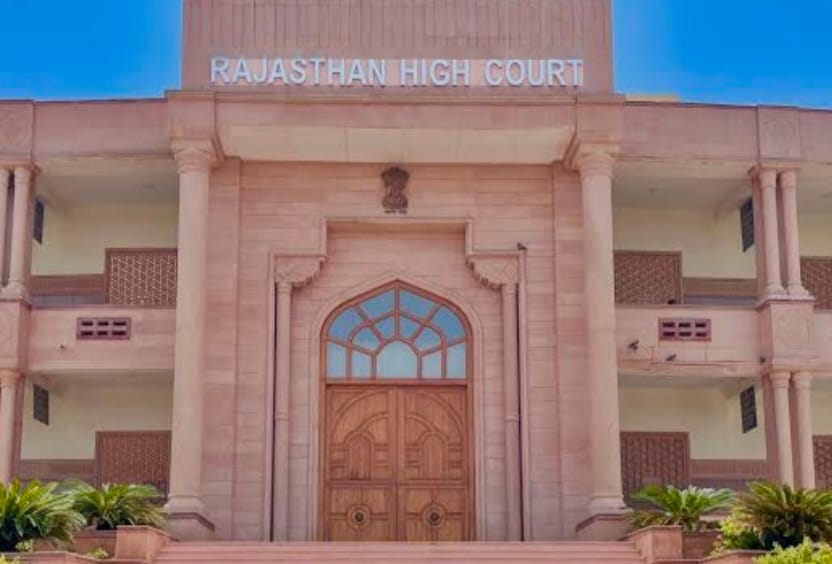
The Rajasthan High Court has delivered a decisive directive to the state administration, expressing severe concern over the poor management and critical deficiencies plaguing government-run hospitals. Emphasizing that verbal commitments and administrative assurances are no longer sufficient, the court mandated that concrete, visible improvements must be manifested on the ground to guarantee reliable healthcare services for citizens.
This major judicial intervention arises amid expanding public disquiet regarding the operational efficacy of public healthcare infrastructure throughout Rajasthan. For a considerable period, government medical institutions have remained under intense scrutiny owing to reported shortcomings in basic amenities, resource allocation, and facility management. The court's unequivocal posture reflects an effort to enforce statutory standards and protect the fundamental rights of patients seeking public medical care.
The core of the proceedings focused on the stark disparity between official policy pledges and the day-to-day experiences of patients visiting state facilities. Detailed submissions brought to light persistent issues involving supply chain delays for essential medicines, maintenance lapses, and operational bottlenecks within state-operated medical centers. By demanding verifiable results, the judiciary underscored that administrative accountability must supersede repetitive formal undertakings.
During the hearing, the bench articulated that non-concrete statements offer no relief to citizens suffering due to substandard healthcare infrastructure. Legal experts and public advocacy groups observed that the high court's observations serve as a critical wake-up call for health department authorities, urging an immediate re-evaluation of supervisory frameworks, resource allocation, and facility maintenance protocols across all district and regional hospitals.
The judicial directive holds immense significance for peripheral regions and newly created administrative zones such as the Kotputli-Behror district. In these areas, local populations rely heavily on government hospitals as their primary healthcare lifeline. Substantial enforcement of the high court's orders is expected to push local healthcare administrators to streamline emergency response systems, maintain essential diagnostic machinery, and ensure consistent staffing in regional health facilities.
Following the court's stern messaging, the state administrative apparatus is anticipated to institute rigorous internal audit mechanisms and accelerate remedial measures. Health department directives are expected to focus on tightening compliance oversight, expediting pending infrastructure improvements, and instituting regular status reviews to ensure that court instructions are executed efficiently.
Looking ahead, the focus turns entirely to the execution phase and time-bound implementation of operational changes. Public health advocates and residents across Rajasthan expect that sustained judicial monitoring will compel executive bodies to translate administrative policies into tangible, long-term improvements across all government medical institutions.
