
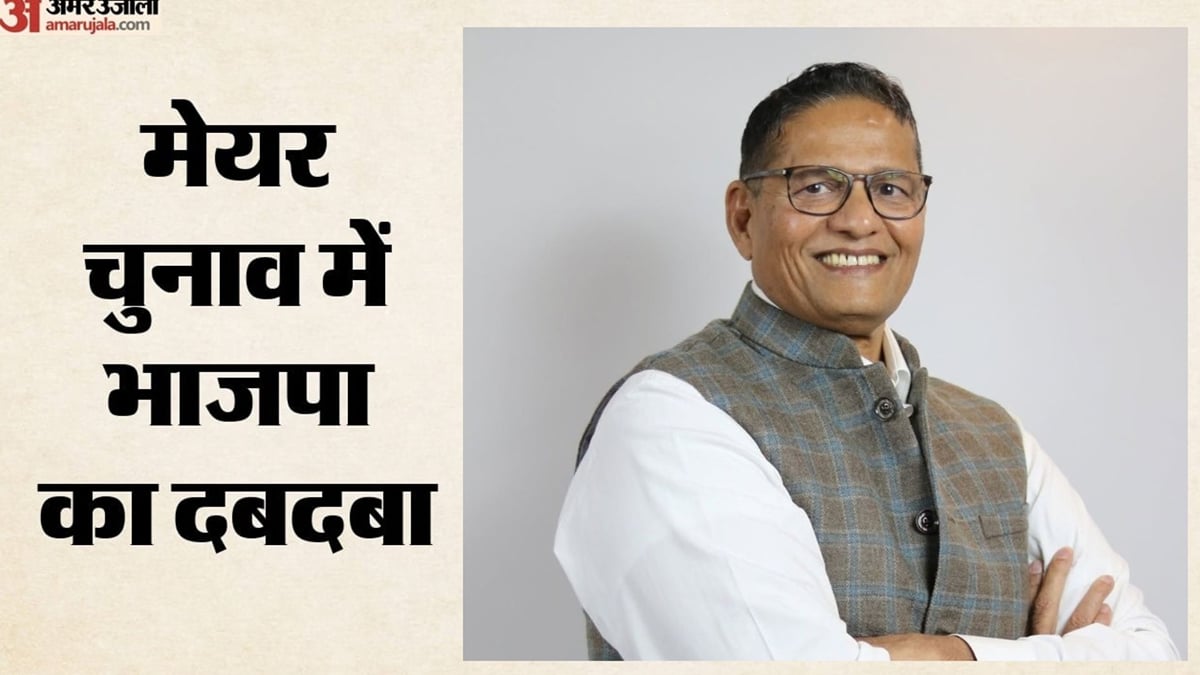
In a decisive political development within the municipal elections, Bharatiya Janata Party candidate Sunil Kothari has registered a sweeping victory in the mayoral race for the Jaipur Municipal Corporation. Demonstrating a clear majority of support among the electorate representatives, Kothari successfully captured 89 crucial votes, cementing his leadership position for the administrative tenure ahead. This election outcome has drawn significant attention from political analysts and citizens alike, given the high stakes involved in the governance of the state capital's civic body.
The electoral contest witnessed intense political maneuvering as both major political formations mobilized their councilors and supporters to secure the prestigious mayoral seat. Historically, the municipal corporation elections in Jaipur serve as a crucial barometer of urban political sentiment, reflecting the broader currents of public opinion across the region. Over successive electoral cycles, the mayoral office has remained central to driving urban infrastructure development, civic policy implementation, and administrative resource allocation within the metropolitan boundaries.
Analyzing the final tally, the democratic process concluded with clear numerical distributions among the participating camps. While the victorious BJP candidate secured a robust 89 votes, the primary opposition candidate representing the Congress party managed to garner 60 votes. Furthermore, the voting records confirmed that exactly one vote was cast in favor of NOTA, highlighting the distinct choices available to the participating voters during the democratic exercise. Consequently, the final margin of victory stood firmly at 29 votes in favor of the ruling party candidate.
Reactions from various stakeholders and political observers emphasize the significance of these numbers in shaping the immediate future of local governance. Party leaders and newly elected representatives have expressed optimism regarding the implementation of pending civic projects, infrastructural upgrades, and public welfare schemes. Community leaders and local traders have also voiced expectations that the decisive mandate will translate into enhanced administrative efficiency, better sanitation management, and improved public amenities throughout the municipal jurisdiction.
The ripples of this urban political event extend well beyond the immediate boundaries of the municipal corporation, holding considerable relevance for surrounding regions, including the Kotputli-Behror district. As local bodies increasingly influence regional economic development, trade facilitation, and grassroots administration, developments in the capital city often set a precedent for neighboring administrative units. Citizens and local governance watchers in the wider district closely monitor these high-profile electoral dynamics to gauge potential shifts in policy implementation and regional development priorities.
Following the formal announcement of the election results, administrative authorities and municipal officials have initiated the standard protocols required for the official transition of mayoral responsibilities. Statutory oversight mechanisms ensured that the entire voting and counting process adhered strictly to established legal guidelines and electoral norms. Officials have reiterated their commitment to maintaining transparency, upholding democratic integrity, and facilitating a seamless handover of executive authority within the civic administration.
Looking forward, the newly elected mayor and the municipal council face a demanding agenda centered on urban expansion, financial accountability, and the timely execution of public works. Public expectations remain notably high as the administration prepares to address pressing civic challenges such as waste management, road infrastructure, and water supply regulation. The coming weeks will outline the precise policy framework and strategic roadmap that the leadership intends to pursue during its tenure.