
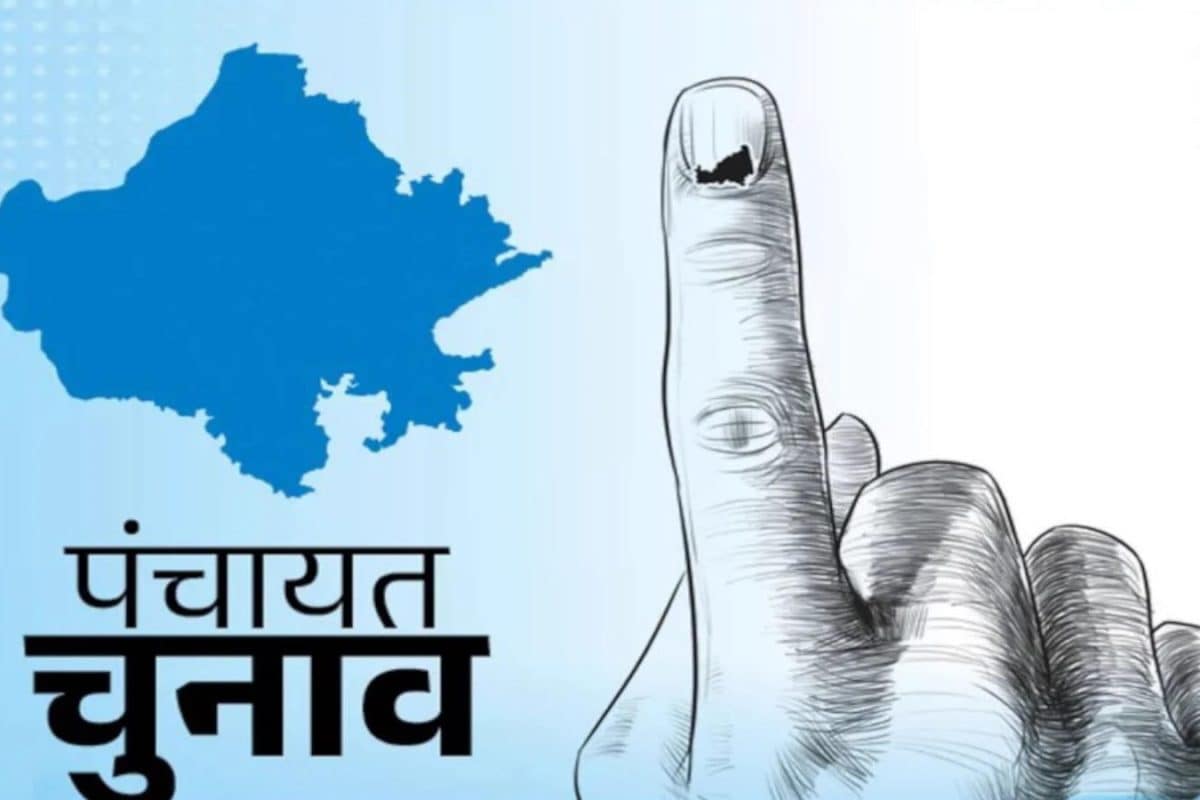
The political landscape across Rajasthan is currently witnessing heightened strategic maneuvers as the crucial Rajasthan Panchayat Elections 2026 approach their definitive conclusion. Following the conclusion of the vibrant five-day Deepotsav celebrations, the primary political formations in the state, specifically the Bharatiya Janata Party (BJP) and the Indian National Congress (INC), have decisively shifted their focus toward intensive candidate management and protective encampment strategies commonly known as resort politics.
Historically, local body elections and rural governance polls in Rajasthan have been characterized by intense political rivalries, floor-crossing vulnerabilities, and post-poll realignments. Political parties across the spectrum have repeatedly resorted to segregating their winning or prospective candidates in secure, isolated locations to insulate them from external political pressures, financial inducements, and opposition maneuvering during the crucial transitional phase leading up to the declaration of official results.
As the administrative machinery conducts the electoral process in structured phases, the logistical stakes for both major parties have multiplied exponentially. Reports from various districts indicate that party strategists are actively evaluating secure resorts, farmhouses, and secluded properties equipped with necessary amenities to house candidates safely. Maintaining strict internal cohesion among candidates has emerged as the principal operational challenge for local leadership cadres of both the BJP and Congress.
Local political analysts, party workers, and independent observers note that the intense competition at the grassroots level leaves little room for complacency. Party functionaries are engaged in round-the-clock consultations to finalize transport logistics, communication protocols, and security arrangements for their respective candidates. The psychological warfare and anticipation surrounding potential horse-trading have magnified the urgency of these pre-emptive containment measures across the state.
Within the specific regional contexts, including areas influenced by the Kotputli-Behror district dynamics, local communities and business circles are closely monitoring these high-stakes political developments. The ripple effects of rural political realignments often influence regional developmental priorities, local trade dynamics, and community administration, making these panchayat elections a matter of profound local significance and widespread public discussion.
District and state-level administrative authorities, meanwhile, maintain a vigilant watch over the electoral conduct, ensuring strict adherence to the model code of conduct and statutory guidelines. While political parties focus on internal security and candidate retention, election observers and administrative machinery are simultaneously finalizing robust security frameworks for polling booths, strongrooms, and eventual counting centers to guarantee absolute transparency and order.
Looking ahead, the immediate political horizon in Rajasthan is firmly anchored on the critical date of November 20, when the official counting of votes for all four completed phases of the panchayat elections will take place. Until the final results are officially declared and certified, the strategy of strict candidate isolation, continuous surveillance, and strategic management will undoubtedly remain the dominant operational theme for both the Bharatiya Janata Party and the Congress.
