
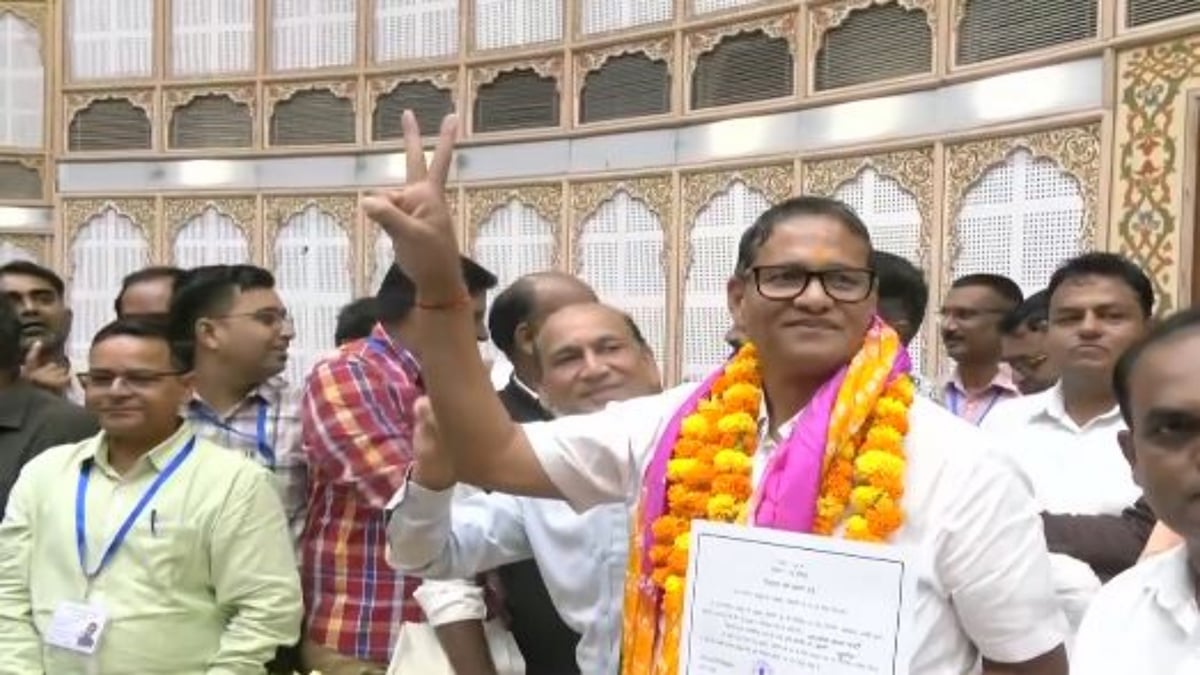
Sunil Kothari has officially assumed charge as the new mayor of Jaipur, marking a pivotal transition in the municipal leadership of Rajasthan's capital city. Stepping into this crucial urban role, Kothari brings with him a long-standing legacy of public engagement, administrative vision, and deep-rooted organizational commitment. The appointment places him at the helm of the civic body, where managing the burgeoning metropolitan needs and infrastructural demands of Jaipur constitutes an immediate and pressing responsibility for his administration.
The foundational roots of Kothari's public leadership trace back to his prominent involvement in the influential 'Mhara Jaipur, Pyara Jaipur' movement. During this widespread civic agitation, he emerged as a leading voice advocating for the unification, development, and administrative consolidation of Jaipur. This historical grassroots campaign not only resonated deeply among local residents but also cemented Kothari's reputation as a dedicated champion of urban welfare and organized municipal advocacy.
Reflecting his steadfast political trajectory, Kothari possesses a robust ideological grounding originating from the Rashtriya Swayamsevak Sangh. Building upon this foundational discipline, he has remained actively engaged with the Bharatiya Janata Party for more than three decades. Throughout this extensive period spanning over thirty years, he has fulfilled numerous organizational responsibilities, demonstrating unwavering loyalty, strategic acumen, and grassroots connectivity within the party framework in Jaipur.
As he assumes office, the newly elected mayor faces multifaceted challenges regarding the enhancement of urban management, sanitation protocols, road infrastructure, and public utilities across Jaipur. Citizens, local business owners, and community stakeholders have expressed cautious optimism, emphasizing the urgent need for transparent governance, streamlined civic approvals, and accountable municipal machinery to address the everyday infrastructural deficits plaguing various municipal zones.
The administrative ramifications of Jaipur's civic governance extend beyond the immediate municipal boundaries, indirectly influencing neighboring districts and regional economic corridors such as Kotputli-Behror. Given that Jaipur serves as the primary commercial and administrative hub for Rajasthan, efficient policy execution, trade facilitation, and infrastructural harmony within the capital directly impact regional supply chains, economic exchanges, and commuters traveling from surrounding areas.
In response to the mounting civic expectations, municipal authorities and administrative departments under the newly appointed mayoral leadership are currently reviewing ongoing developmental projects and budgetary allocations. Statutory oversight mechanisms are being reinforced to ensure that civic funds are utilized efficiently, public grievances are redressed promptly, and long-pending urban infrastructure projects achieve timely completion without bureaucratic delays.
Looking ahead, the tenure of Mayor Sunil Kothari will be rigorously judged by his ability to translate his historical activist vision into concrete urban reforms over the coming months. With a definitive timeline for various municipal initiatives currently under formulation, the administration must prioritize systematic execution, citizen participation, and sustainable urban planning to fulfill the high developmental aspirations of the people of Jaipur.