
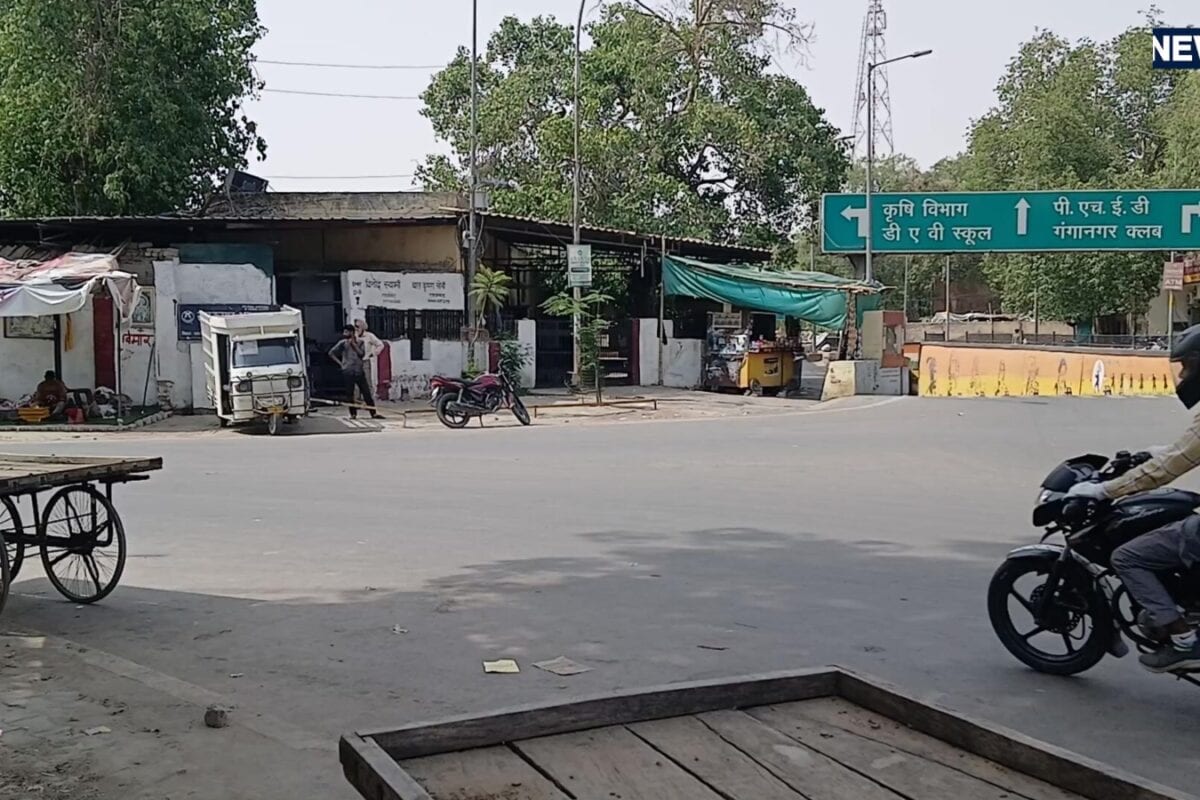
Residents of Sri Ganganagar in Rajasthan have finally experienced a palpable sense of relief as the severe air pollution levels that plagued the region over the past several days have begun to recede. Recent environmental assessments from the area indicate a notable downward shift in atmospheric particulate concentration, offering a temporary reprieve to a populace grappling with heavy smog and stagnant air conditions.
For an extended period leading up to this recent meteorological shift, the local atmosphere had been severely compromised. The city's air quality monitoring metrics consistently registered alarming figures, with the air quality index remaining stubbornly entrenched above the 200 mark, causing widespread health concerns among vulnerable demographics, including children and the elderly.
According to the latest verified data released from monitoring stations, the air quality index has registered a sharp decline, plummeting directly from the concerning levels above 200 to a considerably lower reading of 140. This quantitative drop marks a substantial recovery in atmospheric parameters, reversing the deteriorating trends that had dominated the local environment for days.
Local inhabitants, community representatives, and everyday commuters have openly welcomed this positive transition, noting that the heavy haze has visibly thinned across major thoroughfares and residential sectors. While the environment is undeniably cleaner than it was during the peak of the recent pollution spike, public sentiment remains cautiously optimistic as people resume daily outdoor activities.
Environmental analysts and local observers emphasize that despite the encouraging decline, the battle for pristine air is far from over. With the current reading standing precisely at 140, the meteorological parameters dictate that the air quality still firmly occupies the moderate pollution category, necessitating continued vigilance from both the public and local authorities.
The persistent challenge of maintaining cleaner air has prompted ongoing discussions among regional administrative bodies regarding the implementation of long-term mitigation strategies. Officials are closely reviewing urban development patterns, vehicular emission controls, and dust suppression protocols to prevent the index from rebounding toward hazardous thresholds.
As Sri Ganganagar moves forward from this recent environmental episode, civic organizations and health experts continue to advocate for sustained community-level participation in pollution control measures. The collective hope remains that proactive environmental management will permanently steer the region away from the dangerous pollution spikes witnessed in recent times.
