
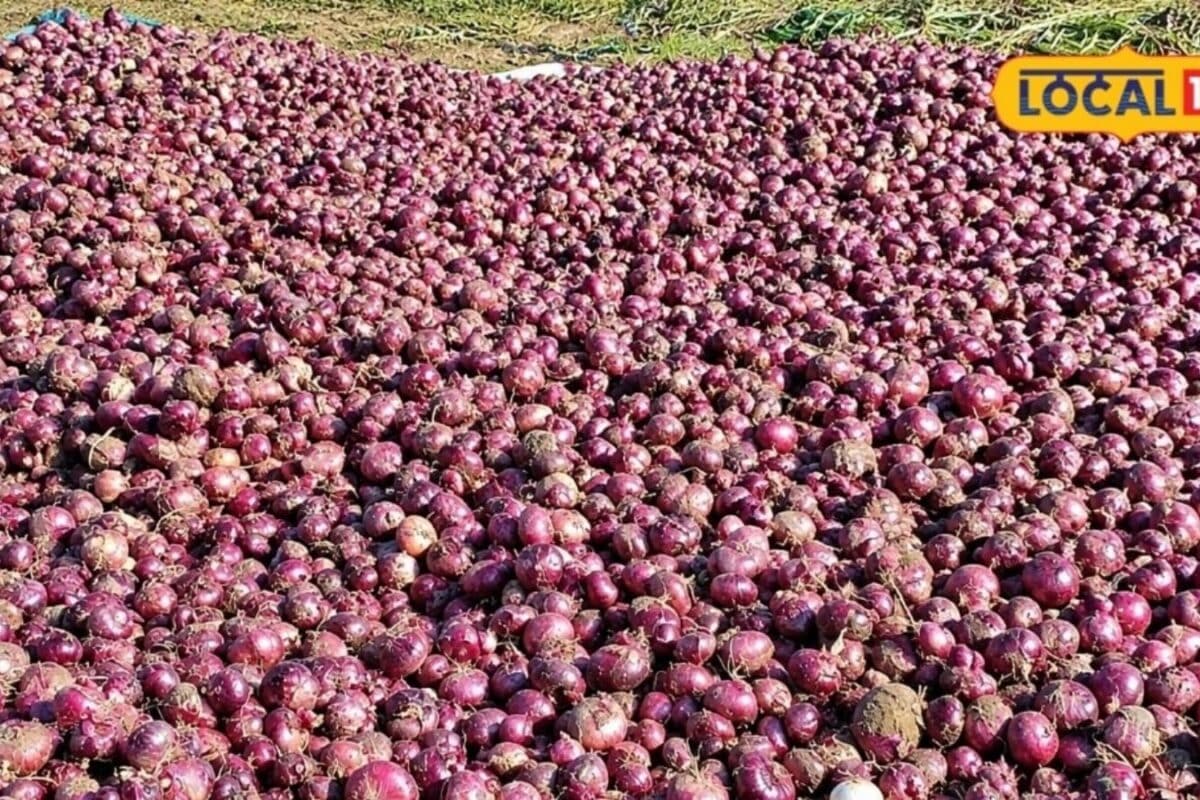
Sikar district is charting a progressive path in agricultural economics as onion-producing farmers prepare to transition from traditional mandi sales to high-value product creation. In a significant boost to rural enterprise, a dedicated onion processing facility is currently being established in Yalsar village, situated within the Lakshmangarh tehsil of Sikar. This developmental milestone introduces a robust localized framework for value addition, ensuring that farmers no longer remain entirely vulnerable to seasonal price fluctuations and distress selling in local markets.
The genesis of this transformative project lies in strategic governmental planning aimed at promoting regional specialization and agro-processing capabilities. Conceptualized under the framework of the ODOP scheme, the initiative bridges the gap between raw agricultural production and industrial conversion. By establishing localized processing infrastructure directly within the production belt, the project seeks to optimize resource utilization, curtail post-harvest losses, and generate sustainable economic dividends for the farming community of Sikar and surrounding regions.
A defining hallmark of this developmental project is its deep commitment to grassroots gender empowerment and socio-economic inclusivity. In its foundational phase, the initiative has actively integrated 500 women farmers from the Lakshmangarh area, positioning them at the center of the rural industrialization process. These women are not merely beneficiaries but active industrial participants who will drive the processing operations, thereby transforming traditional agrarian households into self-reliant economic units capable of generating independent livelihoods.
The regional economic footprint of this initiative extends profoundly across the broader administrative boundaries, positively influencing agricultural prospects in neighboring zones including Kotputli-Behror. By demonstrating the commercial viability of localized agro-processing, the Yalsar unit serves as a replicable model for rural entrepreneurship. It encourages neighboring farming communities to adopt scientific grading, modern packaging, and systematic market linkage strategies, thereby fortifying the foundational resilience of the regional rural economy.
Administrative oversight and institutional coordination are playing a pivotal role in ensuring the seamless execution of the project. Government authorities and participating developmental agencies are closely monitoring construction milestones and logistical preparations. Comprehensive institutional support mechanisms have been established to guarantee that quality standards, technical protocols, and infrastructural requirements are meticulously met well ahead of the projected operational deadlines.
Looking ahead, a structured calendar of capacity-building activities has been finalized to prepare the workforce for upcoming industrial demands. Starting in October, the participating women farmers will undergo specialized training modules focusing on advanced onion production techniques, scientific grading standards, and machinery handling processes. With commercial production slated to commence by December, and with Rajeevika providing robust institutional backing for packaging, branding, and marketing, the project stands poised for long-term sustainable success.