
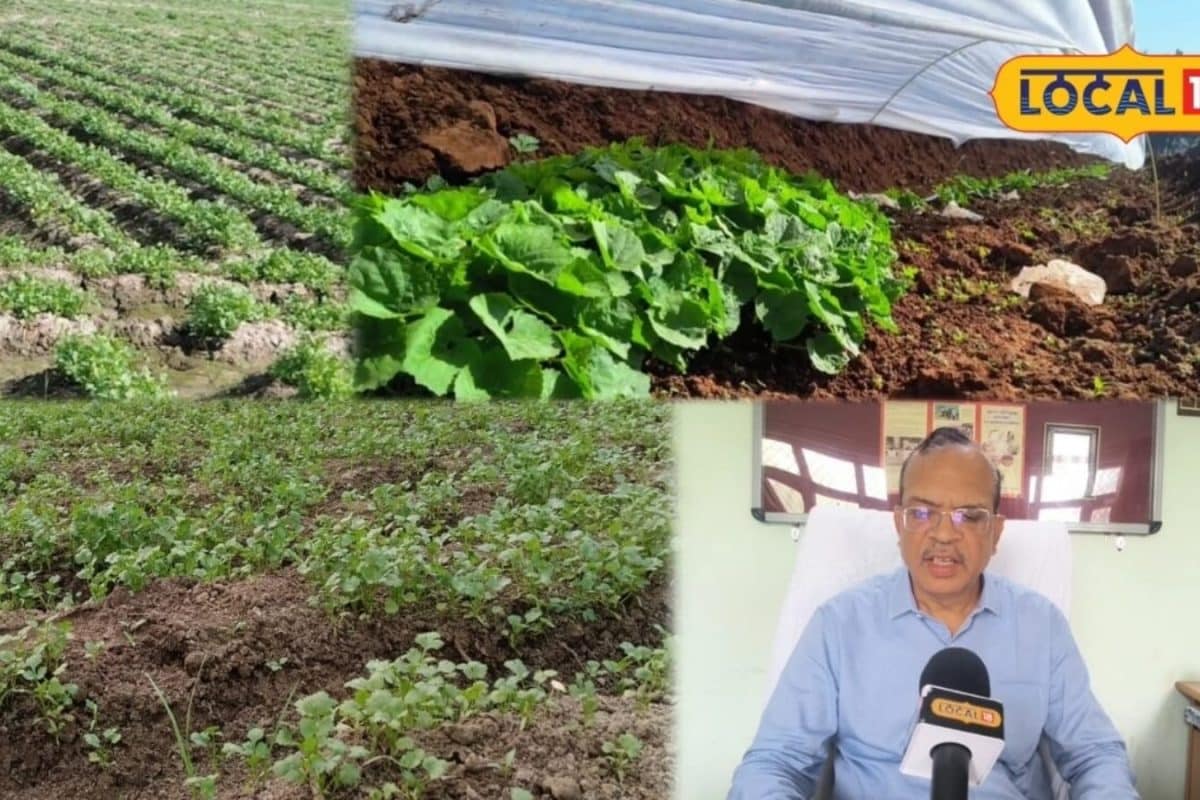
Winter cultivation of coriander demands heightened vigilance from farmers as intensifying cold waves, frost conditions, and unexpected weather variations pose a serious threat to crop development and agricultural yield. Agricultural experts have consistently warned that unseasonal temperature drops can severely damage tender leaves and stunt the overall maturation process of the spice crop. Consequently, the regional agricultural community must remain thoroughly prepared to implement timely protective interventions across their farmlands.
Historically, winter farming in this region presents unique agronomic challenges, requiring meticulous management of soil moisture and ambient temperatures during peak cold spells. Experienced agronomists note that extreme cold combined with heavy dew or frost formation creates an adverse microclimate that fosters fungal pathogens and impedes nutrient absorption. Understanding these seasonal vulnerabilities allows local cultivators to anticipate environmental stress factors and adopt proactive crop protection strategies well in advance.
Evaluating the immediate ground reality reveals substantial financial and logistical stakes for rural households whose livelihoods depend heavily on successful seasonal harvests. Substandard yields resulting from frost damage can trigger severe economic distress, affecting market supply chains and local pricing structures for essential commodities. Therefore, maintaining optimal agronomic standards and adhering strictly to expert guidelines is paramount for safeguarding the substantial investments made by cultivators in their fields.
Addressing the core technical requirements for crop survival, former agricultural officer Inder Singh Sancheti has provided comprehensive operational guidance for regional farmers. According to his expert evaluation, cultivators must administer light, regulated irrigation to maintain root zone warmth and prevent severe frost injury during freezing nights. Furthermore, farmers must ensure absolute drainage security to prevent any detrimental waterlogging, which rapidly suffocates root systems and invites soil-borne diseases.
The broader regional impact of these weather phenomena extends directly across the agricultural landscape of the Kotputli-Behror district, influencing local agrarian stability and rural commerce. Farming families throughout the countryside rely on winter crops to balance their annual economic cycles, making localized crop preservation a matter of paramount community importance. Agricultural extension services and local administrative bodies continue to monitor weather patterns closely to provide timely advisories to vulnerable farming communities.
Administrative oversight and institutional support mechanisms play a vital role in disseminating actionable technical advice to grassroots farming communities facing severe meteorological challenges. Local agricultural departments and extension networks are actively engaged in raising awareness about frost management techniques, organic soil enrichment, and pest surveillance protocols. Such institutional backing ensures that rural producers remain fully equipped with the knowledge required to navigate adverse weather conditions successfully.
Looking toward the forward outlook and upcoming agricultural procedures, farmers must maintain constant vigilance and respond swiftly to any early indicators of crop stress or disease. Timely weeding, careful hoeing, and the application of well-composted farmyard manure will significantly enhance soil fertility and crop resilience against lingering winter chills. By maintaining proactive communication with agricultural experts and strictly executing recommended preventive protocols, the farming community can look forward to securing a robust and profitable harvest.
