
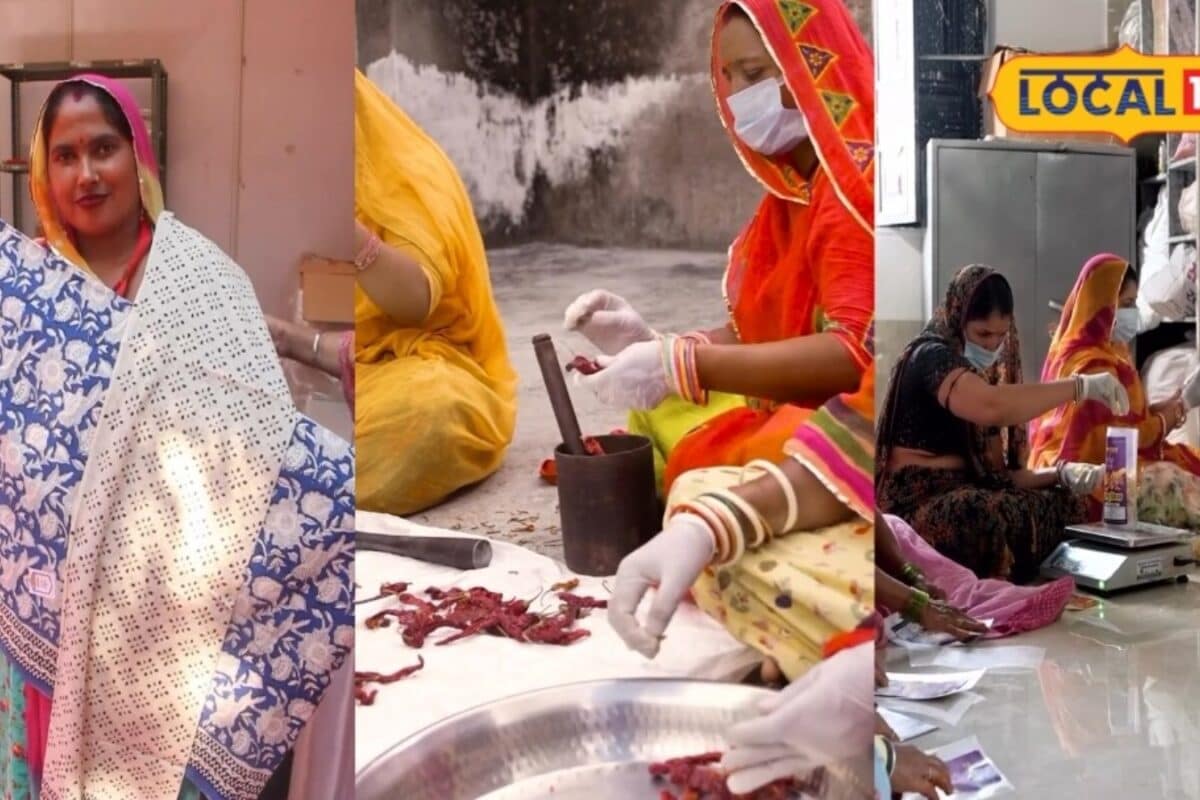
In a significant stride toward rural economic empowerment in Sikar district, the state administration under the Rajeevika framework has initiated a comprehensive financial inclusion drive. This developmental intervention is specifically structured to benefit approximately 8,000 women who are actively organized under 800 distinct self-help groups across the region. By injecting vital initial capital into grassroots women-led collectives, the program seeks to transform the economic landscape of rural households, enabling women to transition from traditional domestic roles into active agents of regional commerce and financial self-sufficiency.
The genesis of this targeted financial support traces back to ongoing administrative assessments aimed at mitigating rural unemployment and underemployment among women. Over recent years, self-help groups in Sikar district have demonstrated remarkable resilience and organizational capacity, yet many lacked the necessary liquidity to scale their micro-enterprises beyond basic domestic operations. Recognizing this systemic barrier, state authorities and implementation partners formulated a structured capitalization strategy, culminating in the current disbursement initiative designed to bridge the foundational capital deficit faced by rural female entrepreneurs.
At the heart of this economic initiative is a concrete and measurable financial allocation: every eligible beneficiary belonging to the targeted self-help groups will receive an initial financial assistance of 15,000 rupees. Across the entire cohort of 800 self-help groups and 8 thousand participating women, this monetary injection represents a substantial grassroots investment. Operational logistics are carefully managed at the district level to ensure transparency and direct benefit transfers, guaranteeing that the authorized funds reach the intended recipients without intermediary leakage, thereby maximizing the purchasing and productive power of the allocated capital.
Community stakeholders, local cooperative leaders, and female members of the self-help groups have expressed widespread optimism regarding the transformative potential of these micro-grants. Representatives from participating collectives note that access to institutional startup capital has historically been their primary hurdle. With the provision of 15,000 rupees per member, women are no longer solely dependent on informal, high-interest local money lenders. Instead, they possess the foundational resources required to procure raw materials, basic machinery, and initial packaging supplies necessary to launch competitive commercial ventures within their respective village economies.
The broader economic ramifications of this empowerment drive extend deep into the regional ecosystem of Sikar district and surrounding areas. By fostering localized manufacturing and processing units, the initiative stimulates micro-level supply chains, connecting rural producers with nearby village markets and regional trade hubs. Economists observe that when rural women earn independent incomes, household expenditure patterns shift dramatically toward improved nutrition, healthcare, and children's education, generating multi-generational social dividends that fortify the entire community against cyclical poverty.
Administrative oversight and institutional support mechanisms have been robustly established to safeguard the long-term viability of these emerging enterprises. District authorities, in collaboration with Rajeevika officials, are conducting specialized vocational training workshops, basic financial literacy modules, and quality control seminars. These capacity-building measures are designed to equip the 8,000 women with essential business management skills, ensuring that their newly formed spice-making, pickle-manufacturing, and tailoring units adhere to standard commercial practices and maintain high product standards for consumers.
Looking toward the forward outlook, the successful execution of this phase in Sikar district serves as a replicable model for broader regional development. As the upcoming procedures unfold, monitoring committees will track the operational progress of the newly established village enterprises, providing ongoing mentorship and facilitating market linkages. Stakeholders anticipate that these micro-units will not only achieve sustained financial viability but will also inspire subsequent waves of rural entrepreneurship, firmly establishing women as central pillars of the local and regional economy.
