
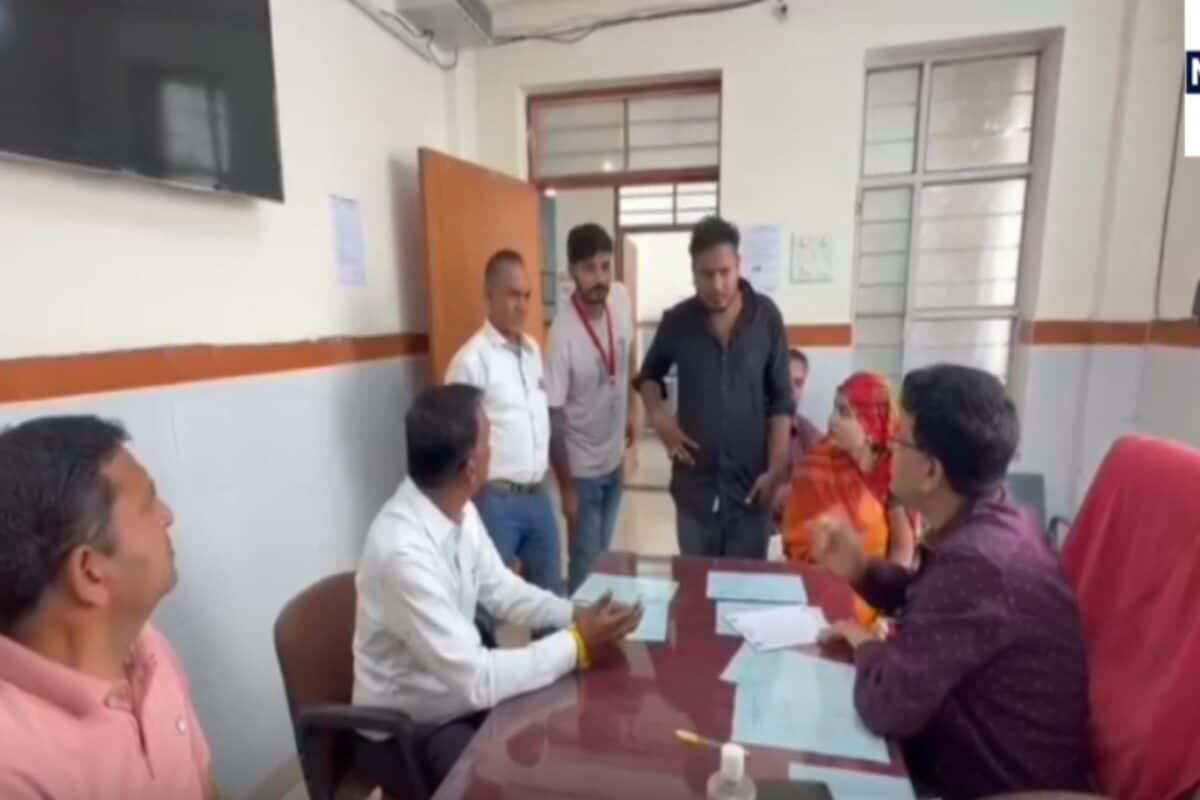
In the Pratapgarh region, the healthcare delivery mechanism faces an unprecedented crisis as critical medical institutions struggle with severe staff shortages. At the Jaychand Mohil Sub-District Hospital located in Chhoti Sadri, patients are enduring immense hardships due to a critical deficit of qualified medical professionals. This alarming situation has compromised the fundamental right to healthcare for numerous citizens who depend entirely on this public institution for their medical needs.
Historically, this medical facility was established to alleviate the healthcare burdens of the local populace and surrounding rural areas. Over the years, the institution has witnessed a steady increase in patient footfall, yet the sanctioned staffing infrastructure has failed to expand proportionately. The widening gap between the growing healthcare demands and the stagnant administrative approvals has culminated into the current systemic failure.
Examining the ground reality reveals a deeply concerning logistical scenario within the hospital premises. Out of the 28 sanctioned medical positions necessary for optimal functioning, a staggering 23 posts are currently lying vacant. Consequently, the entire operational burden falls upon a meager team of only 5 physicians, who are desperately attempting to manage the continuous influx of patients arriving daily from various corners of the region.
Local stakeholders, community members, and concerned citizens have repeatedly voiced their profound anguish over this deteriorating state of affairs. Patients visiting the Jaychand Mohil Sub-District Hospital are routinely subjected to prolonged waiting hours, inadequate consultations, and the eventual necessity of traveling to distant urban centers for specialized medical interventions. Traders and local representatives point out that such systemic neglect severely affects daily wage earners and economically disadvantaged families who cannot afford private healthcare.
The regional impact of this staffing crisis extends far beyond the immediate boundaries of Chhoti Sadri, placing tremendous pressure on neighboring medical infrastructure. As patients are continuously referred elsewhere due to the unavailability of specialist doctors, neighboring district facilities experience cascading overcrowding and operational strain. The socio-economic fabric of the local community is adversely impacted as families endure financial distress and physical exhaustion while seeking basic medical attention.
Administrative authorities and supervisory bodies have faced mounting criticism for their delayed response to this protracted crisis. While local memorandums and formal grievances have been submitted to various government offices, tangible administrative measures to expedite recruitment and fill the 23 vacant posts remain pending. Oversight agencies are continually urged to prioritize emergency deputations and temporary deployment of medical personnel to bridge the glaring deficit.
Looking toward the future, public expectations remain focused on immediate governmental intervention to restore operational integrity at the Jaychand Mohil Sub-District Hospital. A definitive timeline for filling the vacant positions and augmenting the current strength of 5 doctors is urgently required to regain public trust. Ensuring adequate healthcare access for the population of one hundred and fifty thousand remains an undeniable administrative imperative for the regional authorities.
