
In Jhalawar, the ambitious and crucial Jhalawar Cancer Care Centre project continues to languish in infrastructural limbo, remaining incomplete even after a staggering period of 13 years. What was envisioned as a state-of-the-art specialized medical facility to alleviate the suffering of oncological patients has instead become a glaring symbol of administrative apathy and bureaucratic delay. The local populace, particularly ailing citizens and their families, continue to suffer immensely as the massive building stands as a silent testimony to unfulfilled governmental promises and neglected public health infrastructure.
Tracing the historical context of the project reveals a prolonged timeline of missed deadlines, revised estimates, and administrative roadblocks. Conceived over a decade ago to cater specifically to the advanced medical needs of the region, the foundational objectives of the Jhalawar Cancer Care Centre have been severely compromised by protracted institutional inertia. Over the course of these 13 years, successive changes in political leadership and administrative priorities have failed to inject the necessary urgency into completing this vital healthcare asset, leaving the healthcare landscape of the district gravely deficient.
The immediate and primary obstacle halting the completion of the facility is an unreleased financial deficit amounting to 4.46 crore rupees. According to ground reports and administrative disclosures, this critical shortage of funds has completely paralyzed ongoing construction and finishing works at the site. Without the allocation and disbursement of this specific financial sum, contractors and engineers remain unable to install essential medical infrastructure, interior finishes, and specialized diagnostic equipment required to make the Jhalawar Cancer Care Centre operational.
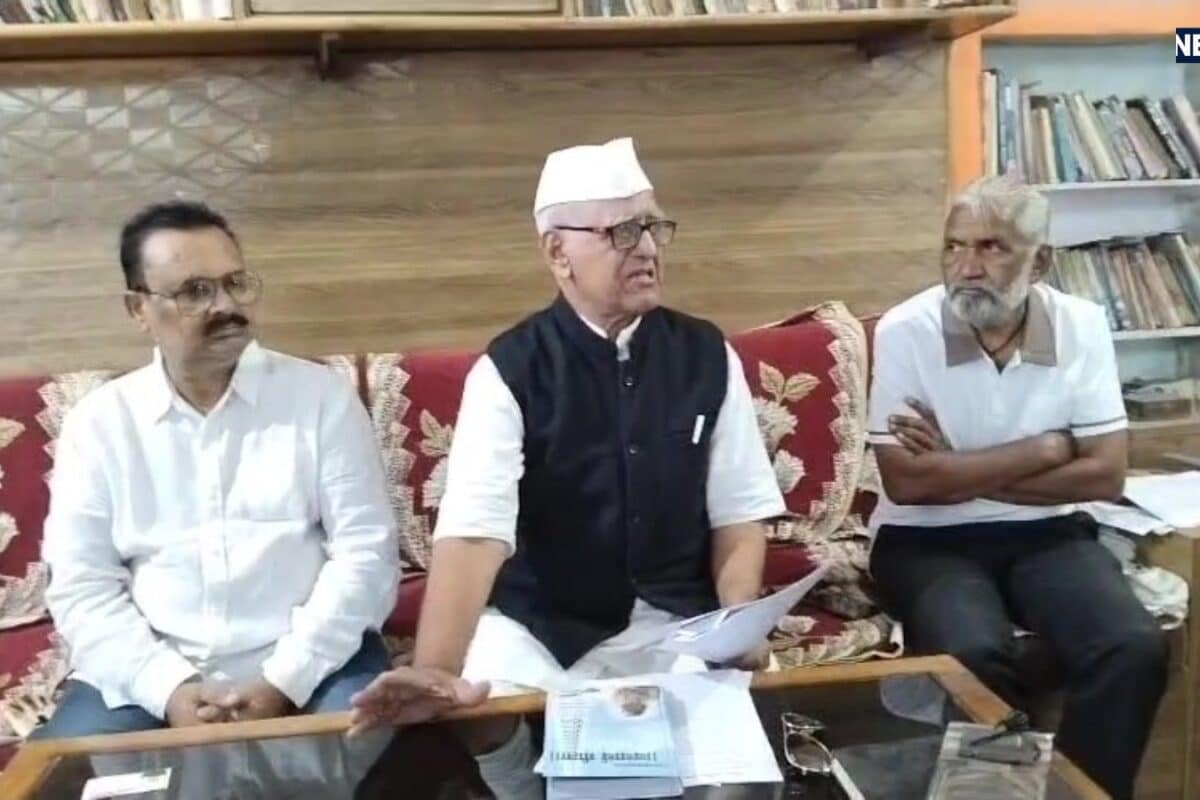
Voicing deep concern over this protracted crisis, various stakeholders and political representatives have launched sharp criticisms against the state administration. Former Congress District President Raghuraj Singh Hada has openly questioned the government's priorities regarding budget allocations, questioning why essential public healthcare funds are continuously delayed. Furthermore, Hada raised serious apprehensions regarding the proposed public-private partnership (PPP) model, arguing that such frameworks might commercialize basic healthcare and place an unbearable financial burden on impoverished cancer patients seeking affordable treatment.
The regional fallout of this administrative paralysis extends far beyond the immediate boundaries of Jhalawar district, heavily impacting border regions including neighboring Madhya Pradesh. Patients hailing from these underserved rural and semi-urban pockets depend entirely on accessible regional healthcare hubs for preliminary diagnoses and specialized therapies. Due to the non-functional state of the Jhalawar Cancer Care Centre, these vulnerable individuals are compelled to undertake arduous and expensive journeys to distant metropolitan cities, incurring massive out-of-pocket expenditures for lodging, travel, and private medical care.
The socioeconomic impact on local families is devastating, as prolonged medical travels deplete meager household savings, driving many into crippling debt. Breadwinners and elderly patients alike find themselves navigating a labyrinth of inadequate local medical provisions, where advanced oncology care remains an unattainable luxury. The absence of a functional cancer facility in Jhalawar directly violates the fundamental right to timely and affordable healthcare, placing an avoidable burden on regional families who watch their loved ones struggle without specialized institutional support.
As public pressure mounts, the administration faces intense scrutiny regarding its future roadmap for the Jhalawar Cancer Care Centre. Citizens' groups, civil society organizations, and political leaders like Raghuraj Singh Hada are demanding an immediate transparent review of the project accounts, prompt release of the pending 4.46 crore rupees, and a definitive timeline for completion. Unless the government expedites these financial and administrative interventions, the facility will remain a monument of bureaucratic failure, denying life-saving medical care to the very citizens it was designed to protect.
